Tag: Private jet guides

  • How to Avoid Common Mistakes When Booking a Private Jet

    How to Avoid Common Mistakes When Booking a Private Jet

    Booking a private jet offers unparalleled luxury and convenience, but the process isn’t always straightforward. Unlike commercial flights, private jet bookings require detailed coordination regarding aircraft selection, safety checks, and operational logistics. Many first-time flyers and even seasoned travelers make avoidable mistakes that can lead to unnecessary costs, logistical issues, and safety concerns. Additionally, the lack of standardized pricing across the industry can make it difficult to compare options effectively.

    Careful planning and informed decision-making are key to ensuring a smooth private jet experience.

    Research and Preparation: The Foundation of a Smooth Flight

    Before finalizing your booking, thorough research is essential. A rushed decision can lead to choosing the wrong aircraft or an unreliable provider.

    • Define Your Travel Needs: Consider factors like passenger count, distance, luggage capacity, and onboard amenities.
    • Compare Charter Companies: Not all providers offer the same level of service, so read reviews, check testimonials, and verify their reputation.
    • Confirm Certifications: Ensure that the operator and aircraft have the necessary regulatory approvals for safety and legal compliance.

    Avoiding Hidden Costs and Budget Pitfalls

    Private jet pricing can be complex, and many travelers face unexpected charges that can significantly inflate costs. Hidden fees such as landing charges, de-icing expenses, catering costs, and repositioning fees are common pitfalls that can catch travelers off guard. Additionally, understanding different pricing structures—such as membership programs, fixed hourly rates, and empty-leg flights—can help in securing the best deal.

    Further, empty-leg flights offer substantial savings by utilizing jets returning from previous trips at discounted rates. To avoid overpaying, negotiate, when possible, as some providers offer discounts for round trips, off-peak travel, or membership programs.

    Choosing the Right Aircraft for Your Needs

    Selecting the right private jet is about more than just luxury—it’s about efficiency, comfort, and cost-effectiveness. Choosing incorrectly can lead to higher expenses, unnecessary stops, or an uncomfortable journey.

    • Size and Passenger Capacity: Consider the number of travelers and the amount of luggage. A smaller jet might be more affordable, but it could feel cramped for longer flights.
    • Range and Fuel Efficiency: Ensure that the aircraft can cover your intended route without frequent refueling stops. Long-range jets are ideal for international travel, while light jets are more cost-effective for shorter trips.
    • Cabin Features and Amenities: Evaluate the need for Wi-Fi, entertainment systems, reclining seats, or a full galley. If you require business facilities or private sleeping areas, opt for larger jets with enhanced comfort options.
    • Cargo and Special Requirements: If traveling with oversized luggage, pets, or medical equipment, check that the aircraft can accommodate these needs without compromising passenger space.
    • Operational Costs vs. Experience: A more luxurious jet will offer a superior experience but at a higher price. Determine the right balance between cost and comfort to match your priorities.

    Timing and Scheduling Mistakes to Avoid

    Flexibility and advanced planning play a significant role in optimizing your travel experience.

    • Watch Out for Peak Season Pricing: Holiday periods and major events drive up costs.
    • Book in Advance: Last-minute charters often limit aircraft availability and increase pricing.
    • Consider Departure Flexibility: Choosing off-peak departure times can offer better rates and more aircraft options.

    Navigating Legal and Documentation Requirements

    Failure to adhere to legal and documentation requirements can lead to delays or denied boarding.

    • Check Passport and Visa Requirements: Ensure all travelers have valid documentation.
    • Understand Insurance Coverage: Clarify whether your charter includes passenger liability and trip insurance.
    • Review Cancellation Policies: Some charters have strict non-refundable policies, so be clear on terms before booking.

    Ensuring Safety and Operational Reliability

    Safety should be a top priority when booking a private jet. Vetting the operator and aircraft is crucial.

    • Verify Maintenance Records: Ensure the aircraft has undergone regular safety inspections.
    • Assess Pilot Credentials: Experience, flight hours, and certifications matter for flight safety.
    • Consider Airport Accessibility: Not all private jets can land at every airport, so check for any restrictions at your destination.

    Effective Communication and Final Confirmations

    Clear communication with your charter provider can prevent last-minute surprises and ensure a seamless experience.

    • Confirm Your Itinerary: Double-check departure times, routes, and onboard service requests.
    • Clarify Special Requests: Whether it’s catering, pets onboard, or ground transportation, ensure all details are agreed upon.
    • Have a Direct Contact Person: Having a dedicated representative available ensures smoother coordination if changes arise.

    Identifying and Avoiding Booking Scams

    The private jet industry has its share of fraudulent operators, making it essential to recognize potential red flags to avoid falling victim to scams. Always book through reputable and verified charter companies that have a proven track record of safety and reliability. Be wary of offers that seem too good to be true, as significantly lower-than-market prices could indicate an unreliable service or even fraud. Additionally, confirm all details in writing and avoid making full payments upfront without a clear contract.

    Conclusion: Book with Confidence and Enjoy the Experience

    Booking a private jet doesn’t have to be complicated. By researching providers, budgeting wisely, ensuring legal compliance, and prioritizing safety, you can enjoy a seamless and luxurious flight.

    For more expert tips and insights, visit AymanJets.com and elevate your private jet booking experience!

  • The Strategic Use of Private Jets for Market Research and Development

    The Strategic Use of Private Jets for Market Research and Development

    In an era where speed and agility are critical to staying ahead of competitors, the strategic use of private jets has emerged as a valuable tool for businesses conducting market research and product development. Private jet travel offers unparalleled advantages for companies looking to explore new markets, assess competitors, or accelerate product timelines.

    Leveraging Private Jets for Market Research

    Rapid Multi-Market Exploration

    Private jets offer the flexibility to visit multiple locations quickly, allowing businesses to conduct on-site surveys and interviews and gather firsthand insights into market conditions. This rapid multi-market exploration can be pivotal in entering new regions or expanding operations, enabling teams to observe local markets without the time constraints of commercial travel.

    Competitor Analysis on a Global Scale

    When discreetly analyzing competitors, private jets provide the convenience of making swift, confidential visits to competitor facilities or attending trade shows and industry events without drawing attention. This can give businesses the competitive edge they need to stay ahead of industry trends.

    Engaging with Key Clients

    Private jets facilitate face-to-face meetings with key clients or focus groups, making it easier to engage directly with stakeholders. Businesses can also use private jet travel to conduct personalized product demonstrations, deepening client relationships and trust.

    Supply Chain Assessments

    For businesses looking to assess supply chains or explore potential acquisition targets, private jets provide the flexibility to visit manufacturing plants or suppliers in remote areas. This kind of on-the-ground evaluation is crucial for ensuring the quality and reliability of partners.

    Private Jets and Product Development

    Rapid Prototyping and Secure Transport

    Private jets are often used to transport prototypes quickly and securely, especially when confidentiality is critical. Businesses can also host on-site demonstrations for stakeholders at various locations, speeding up the feedback loop and reducing time to market.

    Cross-Functional Team Collaboration

    Private jets enable businesses to unite geographically dispersed teams for mobile brainstorming sessions or strategy meetings. Further, in complex development phases, private jets can transport specialists to where they are needed most, whether that involves working with academic institutions, research centers, or other specialized facilities.

    Speeding Up the Product Development Cycle

    With the ability to quickly move between development sites and testing facilities, private jets facilitate rapid iteration and testing, accelerating product development cycles and reducing overall project timelines.

    Sector-Specific Benefits of Private Jet Use

    Technology

    In the fast-paced tech world, rapid iteration and market responsiveness are critical. Private jets allow tech companies to coordinate cross-functional teams and shorten the time between product testing and market release.

    Pharmaceutical and Healthcare

    For the pharmaceutical industry, private jets enable teams to visit global research sites, transport medical supplies quickly, and ensure rapid response during product development stages.

    Retail and Consumer Goods

    Private jets allow retail executives to engage directly with suppliers and customers across multiple markets, fostering more agile decision-making in fast-moving consumer sectors.

    Energy and Natural Resources

    In industries where operations often occur in remote or hard-to-reach areas, private jets provide vital access for conducting site visits, environmental assessments, or evaluating new projects.

    Best Practices for Maximizing Private Jet Use

    Integrating Private Jets into Your Strategy

    To fully benefit from private jet travel, companies should integrate it as a key component of their research and development strategies. This can ensure that each trip maximizes value, whether for market research or product development.

    Balancing with other Travel Options

    While private jets offer flexibility, businesses should consider balancing their use with other travel options, depending on the situation and cost-effectiveness.

    Ensuring Data Security

    When transporting sensitive information or prototypes, ensuring data security during travel is critical. Businesses should adopt strict confidentiality measures when using private jets.

    Conclusion

    Private jets are no longer just a luxury—they’re a strategic asset for businesses looking to stay competitive in a fast-paced global market. From accelerating market research to enhancing product development, private jets provide time efficiency, flexibility, and privacy that commercial flights simply cannot match.

    Looking to learn more about how private jets can transform your business? Continue reading our website for insights on private jet travel, market trends, and expert advice on leveraging aviation for business success. Email us today for business inquiries.

  • Maximizing Comfort on Long-Haul Private Jet Flights

    Maximizing Comfort on Long-Haul Private Jet Flights

    Flying on a private jet offers unparalleled luxury, privacy, and convenience, but long-haul journeys can still pose challenges if not planned well. From pre-flight preparation to post-flight recovery, thoughtful strategies can transform your experience into a seamless, comfortable adventure. Here’s how to ensure maximum comfort on your next long-haul private jet flight.

    Pre-Flight Preparation: Setting the Foundation for Comfort

    Planning is essential to enjoying your journey to the fullest. In the days leading up to your flight, begin by adjusting your sleep schedule to align with your destination’s time zone. Don’t underestimate the importance of comfortable clothing—opt for breathable fabrics that allow for unrestricted movement. Packing essentials such as noise-canceling headphones, skincare products, and medications ensures that you have everything you need.

    Customizing the cabin environment can further enhance your experience. Communicate your temperature preferences and any specific bedding or pillow requirements to the crew. Adjusting the lighting can create a soothing ambiance, and arranging for meals that match your dietary needs ensures you feel at home in the air. For entertainment and productivity, download your favorite shows, music, or books in advance. Organize your work materials and ensure your devices are fully charged and preloaded with any necessary files.

    In-Flight Wellness Strategies: Staying Relaxed and Energized

    Maintaining physical wellness during the flight is crucial. Incorporating light movements such as in-seat stretches or brief walks around the cabin helps improve circulation and prevent stiffness. If you’re prone to swelling, compression socks can be a game-changer. To maximize rest, recline your seat fully or request a lie-flat bed, and bring an eye mask and noise-canceling headphones for a peaceful sleep. Adjusting your sleep schedule gradually during the flight can also help minimize jet lag upon arrival.

    Staying hydrated is key to combating the dehydrating effects of cabin air. Drink water consistently throughout the flight while limiting caffeine and alcohol intake. Instead of heavy in-flight meals, consider opting for lighter, nutrient-dense snacks like fresh fruit or protein bars to maintain your energy levels without feeling sluggish.

    Technology and Entertainment: Making the Most of Your Time in the Air

    Private jets come equipped with state-of-the-art technology to enhance your travel experience. Utilize onboard Wi-Fi to stay connected, whether for work or entertainment. Keep your devices charged using the jet’s power outlets, and ensure your communication tools, such as messaging apps or video conferencing platforms, are ready for use.

    For entertainment, make the most of the jet’s high-quality audio-visual systems, which often include large screens and surround sound. Some jets even offer gaming consoles or virtual reality setups for a unique experience. If productivity is your goal, organize a dedicated workspace using the available surfaces and ensure you have easy access to cloud-based tools or apps that facilitate your tasks.

    Post-Flight Recovery: Transitioning Smoothly to Your Destination

    Arriving refreshed is as much about preparation as it is about recovery. To adjust to your new time zone, spend some time outdoors and plan light activities to reset your internal clock. Continue to prioritize hydration to counteract the effects of air travel. Light stretches or a short walk can help alleviate stiffness and promote blood flow.

    To ensure a seamless transition, confirm your ground transportation ahead of time and have essentials like water and toiletries easily accessible. Allow yourself some downtime before diving into work or social engagements, giving your body the chance to recover from the journey.

    Ready for More Travel Tips?

    Continue reading our website for expert advice on private jet travel and stay updated on the latest trends, tips, and recommendations. Email us today for business inquiries and elevate your understanding of the skies!

  • How the Luxury Market is Shaping the Future of Private Jet Travel

    How the Luxury Market is Shaping the Future of Private Jet Travel

    As the world of luxury evolves, so does the way affluent individuals travel. Private jets, once seen as a mere status symbol, are now an essential part of the luxury experience, providing more than just convenience—they offer personalized, exclusive, and seamless travel tailored to the specific desires of high-net-worth individuals (HNWIs). These consumers are no longer satisfied with just getting from point A to point B; they expect their journeys to reflect the same opulence and individuality as every other aspect of their lifestyle. This demand is driving profound changes in the private jet industry.

    From bespoke cabin designs to wellness services at 40,000 feet, the luxury market is reshaping the future of private jet travel. With a growing focus on personalization, technology, sustainability, and new business models, private aviation is evolving to meet the sophisticated tastes of modern luxury consumers.

    The Current Landscape of Luxury Private Jet Travel

    Market Growth and Key Industry Players

    The luxury private jet market is expanding at an unprecedented pace. The industry’s size is expected to grow significantly to US$156 billion by 2032 from US$95 billion in 2024, driven by rising wealth and increasing demand for exclusive travel experiences.

    Major players such as Gulfstream, Bombardier, and Embraer are responding to this demand by developing ultra-luxurious aircraft models, while newer entrants are focusing on niche markets with tailored offerings.

    Luxury Consumer Expectations Driving Private Jet Innovation

    Personalized and Customizable Jet Experiences

    One of the key trends shaping the future of private jet travel is the desire for personalization. From bespoke cabin interiors to customized itineraries, luxury travelers expect every aspect of their journey to be tailored to their preferences. Jets are now designed with a variety of seating configurations, high-end materials, and technologies that allow passengers to create their own in-flight experience.

    Ultra-Luxurious Cabin Configurations

    Luxury private jets now feature cabins that rival the finest hotel suites. Fully reclining seats, spacious living areas, and private bedrooms are becoming standard in high-end aircraft. Whether for business or leisure, these jets are designed to offer the ultimate in comfort and style.

    Bespoke Design and Materials

    From rare woods to custom fabrics, the materials used in luxury jets are hand-selected to match the preferences of the owner or passenger. Every detail, from the lighting to the floor design, is carefully curated to create an opulent atmosphere that reflects the individuality of the client.

    Innovations in Seating and Sleeping Arrangements

    Luxury jet manufacturers are constantly innovating to provide more comfortable and practical seating and sleeping solutions. Convertible seats that transform into beds, private suites for restful sleep, and spa-like bathroom facilities are increasingly popular among luxury travelers.

    Seamless Door-to-Door Travel Solutions

    For luxury consumers, the journey begins long before boarding the jet. From chauffeured cars to private airport terminals, they expect a seamless, stress-free travel experience. Companies are increasingly offering door-to-door services, integrating ground transportation, expedited security, and personalized travel itineraries to ensure that every aspect of the trip is effortless.

    Cutting-Edge Technologies Enhancing Comfort and Efficiency

    Technology is also playing a critical role in enhancing the private jet experience. Smart home integration, high-speed Wi-Fi, and advanced in-flight entertainment systems are just the beginning. The use of AI-driven systems allows for personalized cabin environments, while innovations like biometric boarding make travel smoother and more secure.

    Sustainability: The Rise of Eco-Luxury

    Sustainability is becoming a priority in the luxury market, and private aviation is no exception. As awareness of environmental impact grows, private jet companies are adopting eco-friendly practices, including the use of sustainable aviation fuels (SAF), carbon offset programs, and more efficient aircraft designs. These initiatives are helping to appeal to environmentally conscious luxury consumers who want to travel in style without compromising their values.

    Gourmet Dining Experiences in the Sky

    One of the hallmarks of luxury private jet travel is the gourmet dining experience. Michelin-starred chefs and personalized menus are becoming common, with passengers able to enjoy world-class cuisine prepared fresh during the flight. Every meal is tailored to the tastes and dietary preferences of the traveler, making each flight a fine dining experience.

    Wellness and Spa Services at 40,000 Feet

    In-flight wellness services are a growing trend in the luxury private jet market. From onboard massage therapists to yoga instructors, travelers can indulge in a spa-like experience during their flight. Personalized wellness programs, including fitness routines and healthy meal options, are tailored to promote relaxation and rejuvenation during travel.

    Advanced Entertainment and Connectivity Options

    Entertainment options on luxury jets have evolved far beyond standard in-flight screens. Today’s private jets feature immersive entertainment systems, virtual reality setups, and cutting-edge connectivity that allows passengers to stream content, conduct business, or enjoy gaming experiences in the comfort of their custom-designed cabin.

    New Business Models in Luxury Private Jet Travel

    Fractional Ownership and Jet Cards: A New Era of Flexibility

    In response to the growing demand for exclusive yet flexible travel solutions, the luxury private jet market has seen an evolution in business models. Fractional ownership programs, jet cards, and membership-based services are providing affluent travelers with the ability to access luxury jets without the full commitment of ownership. These models offer a balance of exclusivity, convenience, and cost-effectiveness for frequent travelers.

    On-Demand Charters: Customization at Its Finest

    On-demand charter platforms are also transforming the way luxury consumers book private jets. These platforms allow travelers to select their aircraft, customize the experience, and manage their trip with just a few clicks. This level of customization, paired with the convenience of immediate availability, is reshaping the expectations of luxury jet travelers.

    Conclusion: The Future of Luxury in the Skies

    The future of luxury private jet travel will be shaped by the needs and expectations of high-end consumers, who demand exclusivity, convenience, and eco-friendly solutions in every aspect of their journey.

    Looking to stay ahead in the world of luxury private jet travel? Continue reading our website for the latest insights, trends, and advice on how private aviation is evolving to meet the demands of the luxury market. Email us today for business inquiries.

  • Preparing for Weather Delays When Flying Private

    Preparing for Weather Delays When Flying Private

    While private aviation offers unparalleled flexibility and convenience, it isn’t immune to delays caused by unpredictable weather. Weather can impact private flights like commercial ones, from storms to high winds. Proper preparation is essential to minimize the impact of delays, making the experience smoother and ensuring you can stay productive or relax comfortably, even if you encounter unexpected interruptions.

    Understanding Weather-Related Risks in Private Aviation

    Weather-related risks are a part of any flight, even private aviation. Severe conditions can disrupt flights, causing delays, diversions, or cancellations. Here are some common factors to be aware of:

    • Common Weather Conditions: Thunderstorms, heavy fog, icy runways, and high winds can all impact private aviation schedules.
    • Seasonal Considerations: Certain times of the year, like winter storm season, hurricane season, or monsoon periods, are more likely to impact travel schedules.
    • Geographic Factors: Different regions present unique weather challenges. For example, tropical areas often experience sudden rain showers, while mountainous regions might see turbulence and high wind speeds.

    Familiarizing yourself with these potential issues helps you set realistic expectations and prepare for the best ways to mitigate them.

    Pre-Flight Planning Strategies: Staying Flexible and Prepared

    Effective planning is key to reducing the impact of weather-related delays. Collaborating with your flight operator or pilot is essential, as they have real-time weather updates and can often advise on alternative routes or schedules. Checking forecasts regularly in the days leading up to your flight can help you anticipate potential adjustments.

    Consider asking your operator about alternative airports in case conditions at your primary destination worsen. For added flexibility, book accommodations, car rentals, and meeting spaces with flexible cancellation policies. These choices give you the freedom to adapt quickly if your itinerary changes, allowing you to pivot plans without losing investments in pre-booked arrangements.

    Essential Travel Preparations: Planning for Every Possibility

    Being well-prepared for unexpected delays can make a significant difference in your comfort and productivity. Here are a few key considerations:

    • Pack for Contingencies: Include essentials like a change of clothes, toiletries, medications, and chargers. These items can help you stay comfortable if a delay extends overnight.
    • Plan Backup Accommodations: Book accommodations near your destination airport with flexible cancellation policies. This ensures you have a comfortable place to stay if you can’t reach your primary destination on time.
    • Meeting and Communication Plans: Inform key contacts of potential delays and set up remote meeting options, like video calls, to ensure important business activities can proceed smoothly.
    • Set Up Communication Plans with Ground Contacts: Establish a communication plan with any ground contacts, like drivers or associates, so they’re updated on potential changes in your arrival time.

    During-Delay Best Practices: Making the Most of Unexpected Waits

    If delays occur, there are ways to make the experience as productive as possible. Many Fixed-Base Operators (FBOs) offer lounges, Wi-Fi, and meeting rooms where you can work, relax, or even conduct virtual meetings if necessary. Staying updated on weather conditions through real-time tracking apps or FBO services can help you anticipate shifts in your schedule. It’s also useful to coordinate with your crew and establish a decision-making timeline. Open communication with your flight crew ensures everyone is informed, reducing stress and making the experience smoother.

    Financial Considerations: Minimizing the Cost of Delays

    Weather delays can lead to unexpected expenses, so planning for them can help manage costs. Some travel insurance plans cover delays, diversions, and cancellations, making them a valuable addition to high-stakes trips. Understanding the cancellation policies of your flight provider is also important, especially any fees tied to last-minute changes. In cases of prolonged delay, considering alternate transportation options, like a commercial flight or ground transport, can minimize downtime and keep costs manageable. Extended stays at airports or FBOs may result in additional hangar or service fees, so budgeting for these contingencies is wise.

    Stay Informed and Ready for Your Next Flight

    For more tips and insights on private jet travel, continue reading our website and stay informed on best practices, industry news, and ways to maximize your flying experience. Email us today for business inquiries.

  • The Ultimate Guide to Private Jet Etiquette

    The Ultimate Guide to Private Jet Etiquette

    Private jet travel offers an unparalleled level of luxury, privacy, and convenience. Whether it’s for business or leisure, flying on a private jet comes with its own set of expectations and protocols. Proper etiquette is crucial to ensure a smooth and enjoyable experience for both you and your fellow passengers.

    In this guide, we’ll walk you through the key dos and don’ts of private jet etiquette, from booking your flight to disembarking after landing.

    Preparing for the Journey: Etiquette Before the Flight

    Before stepping aboard a private jet, it’s essential to start the journey on the right note:

    • Booking and Communication: Be clear and timely when arranging your flight. Respect the flexibility offered by private aviation by ensuring your plans are organized and confirmed in advance.
    • Appropriate Packing: Private jets have limited space, so pack accordingly. Opt for compact luggage and avoid overpacking. If you have any special requests for onboard amenities or catering, communicate them early.
    • Arriving at the Private Terminal: Always arrive on time, ideally about 15–30 minutes before departure. If you’re running late, inform the operator as soon as possible. It’s best to avoid keeping the crew or other passengers waiting.

    Boarding with Grace: Making a Polished First Impression

    The boarding process may seem casual compared to commercial flights, but etiquette still applies:

    Greeting the Crew

    When you board, acknowledge the crew with a friendly greeting. A simple “Hello” and a smile go a long way in setting the tone for the flight.

    Seating Arrangements

    If you’re not the host or organizer, ask before taking a seat. The host may have seating preferences based on the flight’s purpose.

    Handling Your Luggage

    While the crew will assist with stowing your bags, make sure your luggage is easy to handle. Help by placing smaller items in the appropriate storage areas.

    In-Flight Etiquette: How to Behave in a Shared Space

    Once airborne, maintaining consideration for others is key to a pleasant flight:

    • Keep Noise Levels Low: Conversations should be kept at a respectful volume, especially on business flights where others may need quiet time to work or rest.
    • Mind Your Devices: If you’re using electronic devices, use headphones for entertainment and mute any alerts. Avoid making loud phone calls unless necessary.
    • Bathroom Courtesy: Keep bathroom visits brief and tidy. Be mindful of other passengers who may also need to use the facilities.

    Dining on Board: How to Handle Food and Drinks

    Dining on a private jet is often a highlight of the experience. To ensure everything goes smoothly:

    • Requesting Meals: Be polite when asking for food or drinks. If special catering was arranged for you, be sure to express appreciation to the crew.
    • Consuming Alcohol: While you’re free to enjoy a drink or two, moderation is key. Avoid overindulging, especially on shorter flights, to maintain composure and avoid discomfort.

    Interacting with the Crew: Striking the Right Balance

    The crew is there to make your flight as comfortable as possible, but it’s important to maintain professional boundaries.

    Always ask for assistance respectfully and courteously. Avoid making excessive or unreasonable demands. The crew is not personal staff; treat them as professionals who are dedicated to ensuring a safe and smooth flight.

    Further, while tipping is not always expected, it is appreciated in some regions. If in doubt, consider asking the flight operator about common tipping practices.

    Staying Calm During Emergencies: Following Safety Protocols

    In the rare case of turbulence or other in-flight emergencies:

    • Follow Crew Instructions: Always listen to the crew’s safety instructions and remain calm during any turbulence or unexpected situations.
    • Stay Composed: Panicking can cause unnecessary distress. The crew is trained to handle emergencies, so trust in their expertise.

    Disembarking: Finishing the Journey on a High Note

    When the plane touches down, maintaining proper etiquette is just as important as during the flight.

    Gather all personal items before disembarking. Double-check the seating area and storage compartments to ensure you don’t leave anything behind.

    Express gratitude to the pilot and crew for their service. A simple “Thank you” goes a long way in showing your appreciation for their efforts.

    Conclusion: The Impact of Good Etiquette on Private Jet Travel

    Flying on a private jet is a privilege that comes with its own set of unspoken rules. By following proper etiquette, you not only contribute to a pleasant flight but also create positive impressions on your hosts, crew, and fellow passengers. Remember, good manners are the foundation of a memorable and enjoyable private jet experience.

    Subscribe to Our Private Jet Blog for More Insights

    Want to stay updated on the latest tips and trends in private jet travel? Continue reading our website get exclusive access to expert advice, and much more. Email us today for business inquiries.

  • How to Navigate Customs and Immigration When Flying Private

    How to Navigate Customs and Immigration When Flying Private

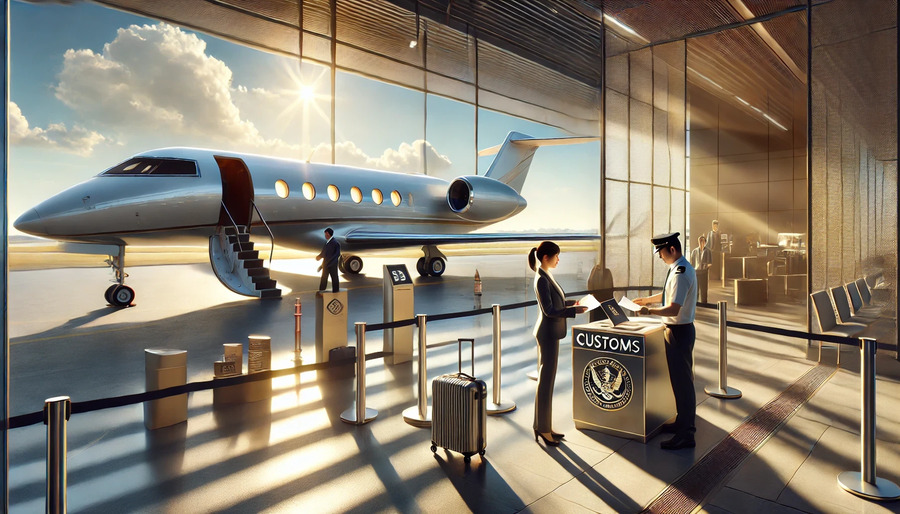
    Private jet travel offers unmatched convenience, privacy, and flexibility, but navigating customs and immigration is still an essential part of the journey. While the process may be more streamlined compared to commercial flights, it’s crucial to understand the specific requirements to avoid delays or complications.

    Pre-Flight Preparation: Key Steps to Ensure a Smooth Journey

    Proper pre-flight preparation is essential for private jet passengers. Start by researching the customs and immigration requirements for your destination. Some countries require special permits or visas, so it’s critical to obtain these documents ahead of time. Ensure that your advance passenger information (API)—which includes your passport details and flight itinerary—is submitted to the destination authorities in advance. Failing to provide API can result in unnecessary delays or even entry denial.

    While private jet travel simplifies customs and immigration processes, it’s important to understand the nuances. Many travelers assume that private travel means skipping these checks altogether, but that’s a misconception. However, the procedures are generally quicker and more discreet than those for commercial passengers. Each country has its specific protocols for private jet arrivals, so it’s important to familiarize yourself with the variations.

    Essential Documentation: What You Need to Have on Hand

    When flying privately, there are specific documents you’ll need to present for a smooth customs and immigration experience:

    • Passports and visas: Ensure your passport is valid and that any required visas are obtained before departure.
    • Customs declaration forms: Some countries require you to declare goods you’re bringing into the country. These forms are often provided upon arrival.
    • Aircraft-specific documents: Your flight crew will handle the necessary aircraft documentation, such as airworthiness certificates and crew details.

    Navigating the Customs Clearance Process

    Customs clearance for private jet travelers typically involves pre-arrival notifications, where details of the flight and its passengers are submitted to authorities ahead of time. Upon landing, a customs officer may inspect the aircraft and its cargo, particularly if you’re carrying dutiable goods such as expensive electronics, jewelry, or large quantities of alcohol. Transparency in declaring these items is critical to avoid fines or penalties.

    Immigration Procedures: What to Expect at Your Destination

    After landing, private jet passengers will go through immigration procedures, which may include passport control and biometric screening, depending on the country. Some countries require additional checks for non-citizens, so it’s important to be aware of specific entry requirements for your nationality. The process is often faster and more private compared to commercial passengers, with dedicated immigration officers handling private jet arrivals.

    The Role of Fixed-Base Operators (FBOs): Your Key Support on the Ground

    Fixed-base operators (FBOs) provide essential services for private jet travelers, including coordination with customs and immigration officials. These specialized service providers ensure that all necessary documentation is submitted and often assist with expedited processing. FBOs also offer additional amenities such as lounges, concierge services, and ground transportation, making your travel experience as seamless as possible.

    Tips for a Smooth Customs and Immigration Experience

    Preparation is the key to a hassle-free experience:

    • Stay organized: Ensure all necessary documents are in order before the flight.
    • Communicate effectively: Keep in close communication with your flight crew and FBO to handle any potential issues.
    • Exercise patience: While private jet travel is more convenient, unexpected delays can still occur. Flexibility and patience will go a long way in ensuring a stress-free experience.

    Special Considerations: High-Value Items, Emergencies, and VIP Protocols

    Some special circumstances require additional attention when navigating customs and immigration:

    Flying with high-value items: If you’re traveling with expensive items such as artwork, jewelry, or large amounts of cash, you’ll need to declare them. Failing to do so may result in penalties, so always check the destination country’s declaration requirements.

    Medical emergencies: In case of a medical emergency, private jet passengers can often receive priority customs and immigration clearance. Many FBOs are equipped to expedite the process to ensure quick access to medical facilities.

    VIP and diplomat procedures: VIPs, government officials, and diplomats often benefit from expedited clearance procedures. If you fall into one of these categories, your FBO can coordinate with local authorities to ensure a swift process.

    The Importance of Being Prepared for Smooth Travel

    Navigating customs and immigration when flying privately is relatively straightforward, but it requires careful preparation. By understanding the documentation required, planning, and communicating effectively with your flight crew and FBO, you can ensure a smooth and stress-free journey.

    Learn More About Private Jet Travel

    Email us today for business inquiries.

  • The Ultimate Guide to Luxury Private Jet Travel: What to Expect

    The Ultimate Guide to Luxury Private Jet Travel: What to Expect

    Luxury private jet travel is the epitome of exclusivity, privacy, and unparalleled comfort. The industry continues to grow, catering to high-net-worth individuals and corporate executives looking for a personalized travel experience.

    In 2023, the global business and private jet market was valued at approximately USD 31.9 billion, with the business jet segment alone estimated at USD 20.2 billion. As more travelers seek the flexibility and privacy that private jets offer, the industry is projected to keep expanding. This guide covers everything you need to know about luxury private jet travel, from aircraft options to services and pricing.

    A World of Options: Types of Luxury Private Jets

    Light Jets: Efficient and Elegant for Short Trips

    Light jets are ideal for short-distance flights, accommodating smaller groups of 4 to 6 passengers. They offer both speed and efficiency for regional travel, providing a smooth, luxurious experience in a more compact space.

    Midsize Jets: Balancing Comfort and Performance

    With space for 7 to 9 passengers, midsize jets are perfect for cross-country flights. They offer a fine balance between range and cabin comfort, allowing passengers to travel coast to coast without sacrificing luxury.

    Large-Cabin Jets: Expansive Space and Lavish Comfort

    Large-cabin jets are the go-to option for larger groups and long-haul flights. With room for up to 19 passengers and ample space for in-flight meetings, dining, or relaxation, these jets are designed for maximum comfort and luxury on international journeys.

    Ultra-Long-Range Jets: Global Travel Without Limits

    For travelers looking to fly non-stop to destinations around the globe, ultra-long-range jets offer the ability to travel thousands of miles without stopping, combining impressive range with top-tier luxury.

    VIP Airliners: The Ultimate in Airborne Opulence

    For those who demand the absolute best, VIP airliners—customized versions of commercial aircraft—offer unrivaled opulence. Featuring dining rooms, lounges, and even bedrooms, these jets redefine what it means to fly in style.

    The Luxury Starts Before Takeoff: Pre-Flight Experience

    Personalized Booking Process: Tailoring the Experience to You

    Booking a luxury private jet is a personalized experience, with providers offering everything from bespoke seating arrangements to tailored flight itineraries. Concierge services ensure your journey begins smoothly, from transportation to the private terminal (FBO) to handling special requests.

    Customization Options: Making It Uniquely Yours

    Luxury private jet services offer extensive customization options, allowing clients to choose their preferred cabin layouts, dining options, and even onboard entertainment. From interior design to specialized services, every detail can be tailored to your preferences.

    Concierge Services: Elevating the Journey from the Start

    Concierge services help ensure your pre-flight experience is as seamless as possible. From organizing transportation to handling any last-minute requests, the service is designed to make your journey effortless and stress-free.

    Private Terminals (FBOs): Fast, Discreet, and Comfortable

    Arriving at private terminals, also known as Fixed Base Operators (FBOs), ensures privacy and luxury from the very beginning. These exclusive lounges allow for rapid security checks and offer premium amenities before you even board your jet.

    Sky-High Comfort: Onboard Amenities

    Luxurious Cabin Designs: A Home in the Sky

    Luxury private jets feature meticulously crafted interiors, from plush leather seating to elegant lighting and expansive cabins. Each design is tailored to enhance comfort, creating an experience akin to flying in a five-star hotel.

    Entertainment and Connectivity: Stay Entertained and Connected

    Luxury jets come equipped with the latest technology, including high-speed Wi-Fi, satellite phones, and entertainment systems. Whether for business meetings or leisure, you remain connected and entertained throughout the flight.

    Gourmet Catering: Dining to Rival the Best Restaurants

    Gourmet catering on private jets offers a dining experience that rivals high-end restaurants. You can choose from a variety of fine dining options, tailored to your taste by world-class chefs.

    Sleeping Accommodations: Rest in Complete Comfort

    Many long-haul flights on luxury jets feature sleeping accommodations, from lie-flat seats to private bedrooms, ensuring you arrive refreshed and ready to go.

    Exceptional In-Flight Service: Tailored to Your Needs

    Dedicated Flight Attendants: Personalized and Professional

    Highly trained flight attendants offer personalized attention and impeccable service throughout your journey. From gourmet meals to in-flight entertainment, their goal is to ensure your comfort and satisfaction.

    Attention to Detail: Your Comfort Comes First

    Every detail of your flight is customizable, from cabin temperature to the choice of amenities. Special requests are catered to seamlessly, offering a level of service unmatched by commercial flights.

    Privacy and Security: The Ultimate in Discretion

    Privacy at Every Step: Keeping Your Travel Confidential

    Privacy is paramount for high-profile clients. Private jet services ensure your travel is kept confidential, with discrete booking processes and private terminals for boarding.

    Enhanced Security Protocols: Peace of Mind in the Air

    Luxury jets are equipped with advanced security features, and additional personnel can be provided when necessary. Whether you’re a celebrity or a business executive, you can travel with complete peace of mind.

    Access to the Unreachable: Destinations and Accessibility

    Exclusive Destinations: Go Where Commercial Flights Can’t

    Private jets can land in remote and exclusive destinations that are unreachable by commercial flights. From secluded resorts to remote islands, you have access to the world’s most exclusive locations.

    Private Airfields and Airports: Land Closer to Your Destination

    Luxury private jets can access smaller, private airports, meaning you can land closer to your destination. This flexibility allows for faster travel and more convenient routes.

    The Financial Side: Cost Breakdown and Value

    Private Jet Charter Costs: A Breakdown

    Chartering a private jet can vary significantly in price based on the aircraft and distance traveled. For smaller jets that seat 4 to 6 passengers, estimated hourly rates range from USD 1,300 to USD 3,000. A typical six-hour cross-country flight could cost between USD 7,800 and USD 18,000.

    Midsize jets, seating 7 to 9 passengers, come with hourly rates estimated at USD 2,500 to USD 8,000, with a six-hour flight ranging from USD 24,000 to USD 48,000. For large jets seating 10 to 19 passengers, hourly rates range between USD 5,550 and USD 13,000, with a six-hour flight potentially costing between USD 51,600 and USD 78,000.

    Additional Costs to Consider

    Beyond the base charter cost, travelers should consider fuel surcharges, crew fees, landing and handling charges, and federal excise taxes. These expenses can add up, significantly increasing the overall cost of your flight.

    First-Class Commercial Flight Comparison

    First-class flights on commercial airlines, while luxurious, are generally less expensive than chartering a private jet. A round-trip first-class ticket between major cities like New York and Los Angeles can range from USD 20,000 to over USD 100,000, depending on the amenities and services offered. However, private jet travel offers more personalized services and greater flexibility, which often justifies the higher cost.

    Luxury Private Jets vs. First-Class Commercial Travel

    While private jet travel is more expensive, it offers unparalleled flexibility, time savings, and privacy. For those who value discretion, customization, and comfort, the extra investment is well worth it.

    Embark on the Ultimate Journey

    Luxury private jet travel goes beyond simply flying—it’s about creating an unforgettable experience. With personalized services, access to exclusive destinations, and unmatched privacy, flying privately redefines the travel experience. Whether for business or leisure, luxury private jets offer the ultimate in air travel, making every journey extraordinary.

    Interested in learning more about the world of private jets? Email us today for business inquiries!

  • The Role of Private Jets in Mergers and Acquisitions: A Strategic Tool

    The Role of Private Jets in Mergers and Acquisitions: A Strategic Tool

    Mergers and acquisitions (M&A) are a cornerstone of growth and consolidation in the business world. Companies looking to expand, increase market share, or diversify through these transactions, make M&A one of the most important business strategies globally.

    In such high-stakes deals, where timing, confidentiality, and precision are crucial, private jets have emerged as a strategic tool that can significantly enhance the efficiency and success of M&A activities.

    The Critical Importance of Timing in M&A Deals

    Mergers and acquisitions are often time-sensitive. Once negotiations begin, speed and agility can make or break a deal. This is especially true when competing bidders are involved, or regulatory deadlines are looming. The faster a team can conduct due diligence, assess opportunities, and finalize negotiations, the greater the chances of closing the deal successfully.

    Traditional travel methods, such as commercial flights, are often too rigid and slow to accommodate the dynamic needs of M&A teams. Delays, limited routes, and the inconvenience of navigating commercial airports can add unnecessary stress and delay crucial steps in the transaction process. In contrast, private jets offer unparalleled flexibility and convenience, allowing key decision-makers to be where they need to be, exactly when they need to be there.

    Private Jets: A Strategic Advantage in High-Stakes M&A

    One of the greatest advantages of private jets in the M&A process is the ability to save time and maximize productivity. Private jets provide a significant strategic edge by allowing executives to reach multiple locations in a short period, whether it’s visiting potential acquisition targets or meeting with legal teams and advisors. With private jet travel, M&A teams can accomplish more in less time, which is a crucial factor when competing for acquisitions in fast-moving markets.

    Additionally, private jets ensure enhanced privacy and security—essential elements when handling sensitive negotiations and proprietary information. Commercial flights expose executives to public scrutiny and potential leaks, while private jet travel keeps all discussions and documents confined to a secure, private environment.

    Facilitating Due Diligence with Private Jets

    Due diligence is a fundamental step in the M&A process, involving the careful evaluation of a target company’s financial health, operations, and risks. Often, this requires on-site visits to corporate headquarters, factories, or key facilities. Private jets enable these visits to take place on short notice and with minimal logistical complications.

    Furthermore, face-to-face meetings remain essential for assessing acquisition opportunities. While video conferencing has its place, many aspects of due diligence—such as understanding company culture, inspecting operations firsthand, and establishing trust between parties—are best handled in person. Private jets provide the flexibility to schedule in-person visits at crucial moments without the constraints of commercial flight schedules.

    Building Strong Relationships Through Personal Interaction

    M&A transactions aren’t just about numbers and contracts—they’re also about relationships. Building rapport with key stakeholders is essential for successful negotiations, and private jets facilitate the personal interactions necessary to foster these relationships. Traveling together on private jets allows executives to bond with potential partners in a more intimate and relaxed setting, creating a foundation of trust and mutual understanding that can significantly impact the outcome of the deal.

    In many M&A scenarios, the difference between a successful acquisition and a missed opportunity comes down to the strength of relationships built during the process. By allowing for direct, face-to-face interactions in key moments, private jets play a pivotal role in helping companies build the personal connections that drive business success.

    The Future of Private Jets in Mergers and Acquisitions

    As technology continues to evolve, the role of private jets in M&A will likely become even more critical. Emerging technologies in private aviation, such as app-based booking platforms, will make private jet travel even more accessible and convenient. Additionally, advancements in aircraft design and fuel efficiency are reducing costs and environmental impacts, making private jets a more attractive option for companies focused on sustainability.

    Looking forward, the use of private jets in the M&A landscape is expected to grow. With globalization driving cross-border transactions and the need for rapid decision-making, private jets will continue to be a strategic tool for companies seeking to gain a competitive edge in high-stakes negotiations.

    Conclusion: The Strategic Importance of Private Jets in M&A

    Private jets have become an indispensable part of mergers and acquisitions, offering companies a strategic advantage by saving time, providing privacy, and facilitating personal interactions that are essential for successful deals. In a business environment where speed, efficiency, and relationship-building are paramount, private jets enable companies to move quickly and decisively.

    Follow our website for more insights on how private jet travel can enhance your business operations and email us for business inquiries.

  • Top Tips for First-Time Private Jet Flyers: What to Expect

    Top Tips for First-Time Private Jet Flyers: What to Expect

    Private jet travel is no longer reserved for the ultra-elite, with more people opting for the convenience and luxury it offers. The growing demand for private flights comes from a variety of factors, including more flexible travel options and the desire for a more personalized flying experience. This article aims to guide first-time private jet flyers through the process, ensuring you know what to expect at every stage of your journey.

    Booking Your Flight: The First Step

    Choosing a Reputable Charter Company or Broker

    The first step to a successful private jet flight is selecting a trustworthy charter company or broker. Do some research, check reviews, and ensure they have the proper certifications and safety records. A good broker will guide you through the process, helping you find the best options based on your needs.

    Understanding Different Pricing Models

    Private jets offer various pricing models. You can book an on-demand flight, which is typically a one-off, or opt for jet cards or membership programs that give you a set number of flight hours. It’s essential to understand what’s included in the price, such as additional fees for de-icing, overnight stops, or specific aircraft.

    Selecting the Right Aircraft for Your Needs

    The type of jet you choose should depend on your flight length, the number of passengers, and the level of comfort you desire. Larger jets offer more amenities and longer ranges, while smaller aircraft are often more economical for shorter trips.

    Pre-Flight Preparation: Planning for a Smooth Trip

    Required Documentation

    Even when flying privately, you’ll need to provide documentation. This includes your ID, passport, and visas if required for international travel. It’s best to check these requirements well ahead of your flight.

    Luggage Restrictions and Recommendations

    Private jets generally have more relaxed luggage restrictions than commercial airlines, but it’s essential to check the aircraft’s capacity. Space can be limited on smaller jets, so pack light and check with your charter company on what’s acceptable.

    Arrival at the FBO (Fixed-Base Operator): A Unique Airport Experience

    What to Expect at the Private Terminal

    Unlike commercial airports, you’ll depart from a Fixed-Base Operator (FBO), a private terminal designed specifically for private jet travelers. The experience is quick and seamless, allowing you to bypass long security lines and crowded terminals.

    Security Screening Process

    Though it’s faster and less intrusive than commercial flights, some level of security screening still takes place. Expect to show your ID and pass through a minimal screening process.

    Differences from Commercial Airport Experiences

    The FBO offers a much quieter and more relaxed atmosphere compared to commercial airports. You can wait in a private lounge and board your flight when you’re ready, often without any wait.

    Boarding Process: Stepping into Luxury

    Meeting Your Crew

    Once you arrive at your jet, you’ll be greeted by your flight crew. They will help you with your luggage, and your captain or flight attendant will brief you on the flight details.

    Aircraft Safety Briefing

    While it’s more relaxed, the crew will give you a brief safety demonstration, covering essential features like seatbelts, exits, and emergency equipment.

    Settling Into Your Seat

    You can choose your seat freely on a private jet, and you’ll have plenty of space to stretch out. The comfort level is much higher than what you’d expect from a commercial flight.

    In-Flight Experience: Making the Most of Your Time in the Air

    Cabin Amenities and Features

    Private jets often offer luxurious amenities, including spacious seating, Wi-Fi, entertainment systems, and even beds in larger aircraft. You can relax and enjoy a personalized experience during the flight.

    In-Flight Services and Catering Options

    Meals and drinks can be tailored to your preferences. Many charter companies offer premium catering services, allowing you to pre-select the type of food and beverages you’d like on board.

    Communication Capabilities

    Most private jets are equipped with Wi-Fi and phone services, ensuring you stay connected throughout your journey, whether for work or leisure.

    Privacy and Etiquette: Enjoying the Space with Courtesy

    Understanding the Level of Privacy

    Privacy is one of the biggest perks of private jet travel. You won’t have to worry about crowded cabins, and your crew will respect your space, offering a discreet service unless needed.

    Tipping Guidelines for Crew and Ground Staff

    While tipping isn’t required, it’s considered a kind gesture, especially if the service has been exceptional. Ground staff and flight attendants often appreciate gratuities for their efforts.

    Behavior Expectations

    Although private jets provide a more relaxed atmosphere, it’s important to maintain courteous behavior. Treating the crew with respect and keeping the cabin clean are basic expectations.

    Flexibility and Changes: Tailoring Your Experience

    Ability to Alter Flight Plans

    One of the advantages of private jet travel is the flexibility it offers. You can often make changes to your flight itinerary, such as adjusting departure times or even adding last-minute stops.

    Weather-Related Adjustments

    Just like commercial flights, private jets are subject to weather conditions. However, private jets can often fly above poor weather or make quick adjustments to avoid delays.

    Last-Minute Requests

    Whether you need to change catering options or adjust your flight path, private jets are equipped to handle most last-minute requests.

    Arrival at Your Destination: A Seamless Transition

    Deplaning Process

    Upon arrival, you’ll quickly disembark, often within minutes of landing. Your crew will handle your luggage and ensure you transition smoothly to your next destination.

    Ground Transportation Options

    Private jet terminals typically offer a range of ground transportation services, from chauffeured cars to rental options. Many FBOs can arrange for transportation to be waiting for you as soon as you land.

    Customs and Immigration

    For international flights, customs and immigration processes are expedited, with private terminals often having dedicated customs agents to speed up the process.

    Cost Transparency: Knowing What You’re Paying For

    Understanding Your Bill

    Private jet travel can involve several additional fees. Make sure you understand the breakdown of costs, including fuel surcharges, landing fees, and catering expenses.

    Moreover, aside from the base charter fee, there may be charges for overnight stops, extended wait times, and special requests. It’s essential to clarify these in advance with your broker.

    Post-Flight Follow-Up: Building Lasting Connections

    Providing Feedback

    After your flight, the charter company may request feedback. This is an opportunity to provide insights into your experience and suggest any improvements.

    Building a Relationship with the Charter Company

    Establishing a good relationship with your broker or charter company can lead to future perks, such as preferential pricing and more personalized services.

    Conclusion

    Your first private jet experience should be smooth, enjoyable, and tailored to your preferences. By knowing what to expect—from booking to landing—you can confidently embrace the luxury, privacy, and convenience that private aviation offers. Whether for business or pleasure, your first flight can be the start of a new way to travel.

    Email us today for business inquiries!