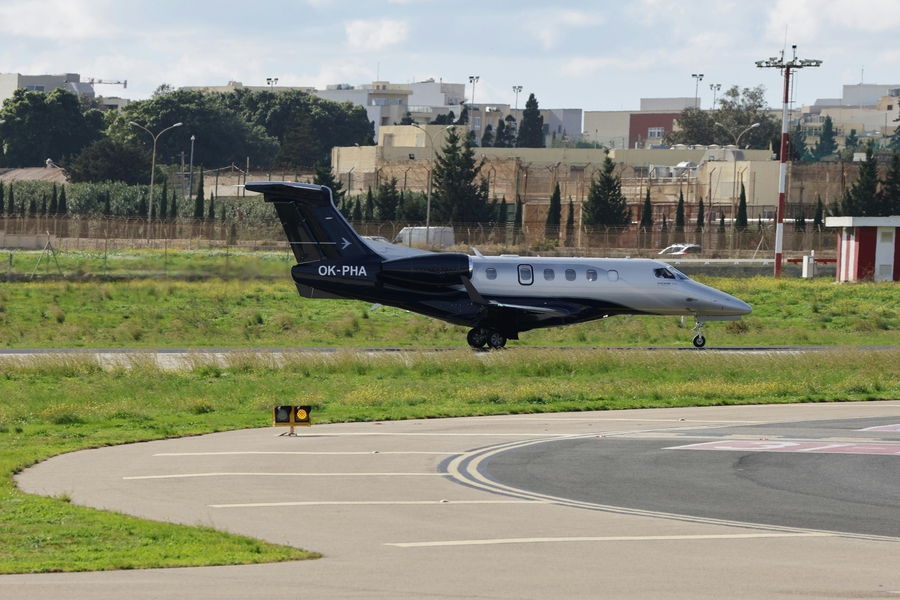
Tag: Private jet financing

  • Financial Pitfalls to Avoid When Buying a Private Jet

    Financial Pitfalls to Avoid When Buying a Private Jet

    Owning a private jet is the ultimate symbol of luxury, offering unparalleled flexibility, privacy, and convenience. Yet, behind the prestige lies a significant financial commitment that extends far beyond the initial purchase price. From hidden operational costs and financing complexities to resale value considerations, navigating the financial landscape of private jet ownership can be daunting.

    This guide will delve into the true cost of ownership, compare new and pre-owned jets, examine operational expenses, and highlight how to preserve your investment through strategic financing, compliance, and exit planning. By understanding these factors, you can confidently navigate the private aviation market while maximizing value and minimizing risks.

    Choosing the Right Ownership Option

    Private jet ownership isn’t a one-size-fits-all decision. The right option depends on your travel needs, budget, and long-term goals.

    Full Ownership

    Full ownership provides complete control over the aircraft, allowing you to customize it to your needs. New jets cost between $5 million and $80 million, while pre-owned options can start as low as $200,000. However, operational expenses like crew salaries, maintenance, insurance, and hangar fees can add $1 million to $5 million annually. The potential tax benefits of business use often make this option appealing to corporate buyers.

    Chartering

    For those who value flexibility and avoid long-term commitments, chartering offers a practical alternative. Hourly rates range from $2,000 to $10,000, depending on the jet’s size. This option eliminates ownership expenses, such as maintenance or hangar fees, while giving you access to different aircraft for various needs.

    Fractional Ownership

    Fractional ownership provides a middle ground between chartering and full ownership. Starting with a 1/16th share, buyers enjoy lower upfront costs and access to a fleet of jets. Monthly management fees cover pilot staffing, insurance, and maintenance, while hourly rates apply for actual flight time. Tax benefits like full ownership make this option attractive to frequent flyers who don’t need sole ownership.

    New vs. Pre-Owned Jets: Balancing Costs and Value Retention

    When buying a jet, deciding between new and pre-owned models significantly impacts upfront costs and long-term value.

    New jets offer state-of-the-art technology and customization options, with price ranges varying by type:

    • Very light jets: $3 million to $8 million.
    • Midsize jets: $9 million to $25 million.
    • Large jets: $25 million to $75 million.

    However, new jets experience higher depreciation rates, losing around 20% of their value in the first five years. Additional costs for customization and certification can further increase the initial investment.

    Pre-owned jets, on the other hand, provide significant cost savings. Older models can cost as little as $200,000, while recent pre-owned Gulfstream G650s are priced around $40 million. Although maintenance and potential upgrades to meet current standards add to the expense, pre-owned jets depreciate more slowly, preserving value over time.

    Operational Costs: The Hidden Financial Burden

    Beyond the purchase price, operational costs can quickly add up, making it essential to budget appropriately:

    • Crew Salaries: A captain for a large jet like the Bombardier Global 7500 earns $292,958 to $369,325 annually, with co-pilots earning up to $198,697. Flight attendants and crew members earn between $50,000 and $100,000 annually.
    • Hangar Fees: Costs vary by location, from $200 to $800 per month at rural airports to $1,000 to $3,000 in urban areas.
    • Fuel Costs: With jet fuel averaging $5 to $7 per gallon, fluctuating prices can significantly impact budgets.
    • Maintenance: Annual maintenance expenses range from $200,000 to $1 million, depending on the aircraft’s size and usage.

    Proper planning ensures these costs don’t come as a surprise, preserving your financial stability.

    Managing Depreciation and Resale Value

    Depreciation is inevitable, but certain jets retain their value better than others. The Gulfstream G650 and Bombardier Global 7500, for example, depreciate about 20% over five years, thanks to their advanced features and high demand. Meanwhile, models like the Cessna Citation Longitude see steeper depreciation rates of around 25%.

    To maximize resale value:

    • Invest in upgrades, such as modern avionics and safety features.
    • Maintain detailed maintenance records to build trust with potential buyers.
    • Avoid over-customization, as standard interiors appeal to a broader market.

    Financing Your Jet: Balancing Costs and Benefits

    Financing adds complexity to jet ownership but provides opportunities to manage costs effectively:

    • Interest Rates: Aviation loans range from 6.99% to 9.99%, influenced by the loan amount, borrower creditworthiness, and jet type.
    • Loan Terms: Typical terms span 15 to 20 years.
    • Tax Benefits:
      • In the U.S., jets used for business qualify for 100% bonus depreciation in the first year under the Tax Cuts and Jobs Act.
      • In the U.K., capital allowances allow deductions from taxable income for business-related jets.

    Properly documenting business and personal use is essential to maximize tax benefits while avoiding penalties.

    Regulatory and Compliance Costs

    Compliance with aviation regulations is a non-negotiable aspect of private jet ownership:

    • Registration and Certification: Fees vary based on jurisdiction.
    • Permits for International Operations: Additional expenses apply for global travel.
    • Upgrades and Modifications: Regular updates to meet regulatory standards can cost thousands—or even millions—over time.

    Staying compliant ensures smooth operations and avoids legal and financial penalties.

    Planning Your Exit Strategy

    A strategic approach to resale is critical to minimizing financial losses:

    • Market Timing: Selling during high demand increases resale value.
    • Depreciation Recapture: Understand the tax implications of recapturing depreciation when selling the aircraft.
    • Contractual Obligations: Review leases and financing agreements to avoid hidden liabilities.

    Planning ahead ensures a seamless and financially sound transition out of ownership.

    Stay Informed with AymanJets

    Private jet ownership can be immensely rewarding, but it requires informed decisions and careful financial planning. From understanding operational costs to managing resale value, being proactive is essential. Visit AymanJets.com for expert insights and personalized guidance. Contact us today to make your private aviation journey seamless and rewarding.

  • Navigating the Complexities of Airport Access for Private Jet Travelers

    Navigating the Complexities of Airport Access for Private Jet Travelers

    Accessing airports as a private jet traveler comes with a host of considerations, especially when it comes to fees. From landing costs to operational surcharges, understanding these expenses is essential to avoid unexpected charges and manage overall travel budgets effectively. These hidden fees can significantly impact your travel experience, making it crucial to delve deeper into their structures and mitigation strategies.

    Decoding Landing Fees: What Influences Costs

    Landing fees are one of the most common expenses private jet travelers encounter. These fees vary depending on several factors:

    • Weight-Based Pricing: Heavier aircraft incur higher landing fees due to the increased demand for airport infrastructure. For instance, at Teterboro Airport (TEB) in New Jersey:
      • Less than 10,000 lbs: $500–$700.
      • Over 50,000 lbs: $2,000–$2,500. At Van Nuys Airport (VNY) in California:
      • Less than 10,000 lbs: $300–$500.
      • Over 50,000 lbs: $1,600–$2,000.
    • Airport-Specific Variations: Different airports impose unique pricing models. At London Luton Airport (LTN), landing fees range from £1,000 to £3,000, influenced by size and peak hours. Similarly, at Le Bourget Airport (LBG) in Paris, fees range from €800 to €2,500, depending on the aircraft’s weight.
    • Peak Time Surcharges: Arrivals or departures during high-demand periods can lead to additional fees. At Singapore Changi Airport (SIN), peak time landing fees for large jets reach up to SGD 3,500.

    Parking and Hangar Costs: Planning for Ground Time

    Whether it’s a short stopover or extended ground time, parking and hangar costs add another layer of complexity:

    • Overnight Parking Rates: At Teterboro Airport (TEB):
      • Small Jets: $200–$400 per night.
      • Large Jets: $600–$1,000 per night. At Van Nuys Airport (VNY):
      • Small Jets: $150–$300 per night.
      • Large Jets: $500–$800 per night.
    • Short-Term vs. Long-Term Storage: Short-term rates are often lower but can escalate for long-term stays. At Le Bourget Airport (LBG), parking costs for large jets reach €1,000 per night.
    • Hangar Rental Fees: Climate-controlled hangars are available at a premium. For example, at Singapore Changi Airport (SIN), hangar storage fees for large jets are SGD 600–SGD 1,000 per night.

    Ground Handling Charges: Ensuring Seamless Operations

    Ground handling services are indispensable for private jet travel, but they come at a price. Common charges include:

    • Fuel Handling Fees: Range from $100–$500 depending on the volume required.
    • Passenger Services: Services like luggage assistance cost $150–$300.
    • Aircraft Servicing Costs: Routine checks and maintenance add $200–$600 per visit.
    • Mandatory Ground Support: Some airports, like Van Nuys (VNY), require specific services, which are billed separately.

    Airport Facility Fees: Beyond the Runway

    The use of airport facilities comes with additional charges that private jet travelers must consider:

    • Terminal Access Costs: Premium terminal charges at hubs like London Luton (LTN) range from $200–$500 per use.
    • Security Screening: Private security services cost $100–$300 per screening.
    • Customs and Immigration Processing: Expedited services, such as those at Singapore Changi (SIN), range from $150–$400.
    • Infrastructure Levies: The general upkeep of airport facilities is partially funded through these charges.

    Operational Surcharges: The Fine Print of Flexibility

    Flexibility is a hallmark of private jet travel, but operational surcharges can offset its convenience:

    • Peak Season Pricing: Higher demand during holidays drives up costs. For instance, landing fees at Teterboro (TEB) increase by 20–30% during peak seasons.
    • Extended Hours Fees: Flying outside regular hours often requires additional payments of $200–$500 per hour.
    • Special Request Charges: Custom services, such as catering or priority handling, incur extra fees.
    • Navigation and Air Traffic Control Fees: These charges reflect the cost of ensuring safe passage through controlled airspace.

    Regional and International Fee Variations

    Airport fee structures differ significantly across regions and countries, creating additional considerations for international travelers:

    • Country-Specific Models: For example, Le Bourget (LBG) in France charges higher landing fees compared to smaller airports in Southern Europe.
    • Bilateral Airport Agreements: Collaborative agreements between countries may influence pricing for international flights.
    • Taxation Complexities: Variations in tax rates add another layer of cost to international operations.
    • Emerging Market Challenges: Developing regions may impose higher fees due to limited infrastructure or growing demand, as seen in parts of Africa and Southeast Asia.

    Strategies to Mitigate Costs

    While fees are an inherent part of private jet travel, strategic planning can help minimize their impact:

    • Membership Programs: Joining jet card programs often provides fee discounts.
    • Advanced Booking Discounts: Early scheduling can secure lower rates for landing, parking, and handling.
    • Negotiating Fee Structures: Engaging with Fixed Base Operators (FBOs) to negotiate costs can yield savings.
    • Alternative Airport Selection: Using less congested airports nearby can reduce fees and save time. For instance, choosing Farnborough Airport over London Heathrow can cut costs by up to 30%.

    Optimize Your Private Jet Travel Experience

    Managing airport fees is an integral part of private jet travel, but it doesn’t have to be overwhelming. With strategic planning and a clear understanding of the various charges, travelers can optimize their journeys for both comfort and cost-efficiency. For more tips on private jet travel and industry insights, visit Aymanjets.com and elevate your travel experience.

  • Private Jets as a Competitive Advantage in Global Business

    Private Jets as a Competitive Advantage in Global Business

    In the fast-paced world of global business, where competition knows no boundaries, the need for speed, flexibility, and efficiency in travel has become more critical than ever. Private jets have emerged as a powerful tool for business leaders seeking to stay ahead of the curve. Once seen as a symbol of luxury, private jets are now an indispensable asset for companies looking to maximize productivity, expand into new markets, and respond quickly to emerging opportunities.

    The Evolution of Business Aviation: From Luxury to Essential Tool

    Corporate air travel has evolved significantly over the decades. In its early days, private aviation was considered a luxury reserved for the elite. However, as global business demands grew and time became the most valuable resource, private jets transitioned from indulgence to necessity.

    Today, private aviation is recognized as a strategic asset for businesses aiming to optimize their operations, allowing executives to meet tighter deadlines, expand into new territories, and outmaneuver competitors.

    Key Benefits of Private Jet Travel in Business

    Maximizing Time Efficiency

    Time is money, especially in the corporate world. Private jets dramatically reduce travel time by offering direct routes to destinations, eliminating the need for layovers, and waiting times associated with commercial travel.

    Business leaders can travel to multiple countries quickly, building international relationships and responding to new market developments rapidly. This ability to pivot quickly and access global opportunities gives companies the upper hand in today’s fast-changing business landscape.

    Unmatched Flexibility and Accessibility

    Private jets offer the flexibility to access remote or underserved locations that commercial airlines might not reach. Whether it’s a last-minute trip to a client’s headquarters or traveling to a rural production site, private jets provide direct access to virtually any destination. Additionally, the ability to adjust flight schedules at a moment’s notice gives business leaders the agility to respond quickly to changing situations.

    Enhanced Productivity: The Mobile Office

    Private jets serve as mobile offices, equipped with the latest technology to enable work on the go. With the ability to stay connected to global offices, respond to emails, and participate in video conferences, private jet passengers experience minimal disruption to their workflow. This uninterrupted work time can result in faster decision-making and more efficient operations.

    Privacy and Security: Protecting Confidential Information

    In the world of business, confidentiality is crucial. Private jets offer an environment where executives can hold sensitive discussions, negotiate deals, and handle confidential information without risking eavesdropping or security breaches. The privacy afforded by private jets ensures that critical decisions and strategies remain protected.

    Industries That Benefit the Most from Private Jets

    Several industries, including finance, technology, pharmaceuticals, and international consulting, stand to gain the most from private jet usage.

    Finance and Investment

    The finance industry thrives on speed, precision, and the ability to seize opportunities as soon as they arise. Whether investment bankers negotiate cross-border deals, private equity managers meet with potential portfolio companies, or hedge fund executives manage client relationships, the ability to travel quickly and flexibly is paramount.

    Private jets allow finance professionals to attend multiple high-level meetings in different countries within a day or respond to time-sensitive opportunities in foreign markets. Further, the confidentiality afforded by private jet travel also ensures that sensitive financial discussions remain private, reducing the risk of information leaks that could influence markets.

    Technology

    The tech industry is one of the fastest-moving sectors, where innovation happens rapidly, and global collaboration is crucial.

    Tech companies often need to reach locations with limited commercial airline access, especially when opening new facilities or exploring partnerships in emerging markets. For startups aiming to scale quickly, private jets offer a critical advantage by enabling founders and executives to build relationships with investors, clients, and talent across the globe in a short time frame.

    Pharmaceuticals and Healthcare

    In the pharmaceutical and healthcare industries, time is not just money—it can be a matter of life and death. Pharmaceutical executives and researchers often need to travel between laboratories, production facilities, and regulatory offices spread across different countries. Private jets facilitate quick, seamless travel, allowing professionals to manage time-sensitive projects, clinical trials, and regulatory approvals.

    Additionally, private jets are frequently used to transport essential personnel and medical supplies to remote or underserved areas, particularly during crises. For example, during the COVID-19 pandemic, private jets were instrumental in transporting vaccines and medical supplies across borders, ensuring that life-saving treatments reached people faster than commercial transportation could allow.

    Consulting and Professional Services

    Global consulting firms frequently send consultants to various locations around the world to meet with clients, conduct site visits, and offer advice on complex international issues. Private jets provide these firms with the agility to respond to client needs quickly, whether it’s a crisis management situation or a time-sensitive project that requires consultants to be on-site.

    Entertainment and Media

    The entertainment and media industries rely on private jets for high-profile talent, executives, and production teams who need to travel frequently for movie premieres, concerts, tours, and media appearances. Time is of the essence in this industry, where delays or missed opportunities can have significant financial consequences.

    Manufacturing and Industrial Sectors

    In manufacturing, particularly industries like aerospace, automotive, and electronics, executives often need to visit multiple production facilities, suppliers, and clients located in different countries. Private jets offer a crucial time-saving advantage, allowing business leaders to oversee production lines, address operational issues, and maintain close relationships with suppliers without being constrained by commercial flight schedules.

    This flexibility is particularly important in industries where just-in-time manufacturing is critical, as delays in decision-making or supply chain management can lead to costly disruptions. Private jets also enable manufacturing executives to reach remote facilities in areas where commercial airlines might not operate.

    Energy and Natural Resources

    The energy sector, including oil, gas, and renewable energy, operates in some of the world’s most remote locations—offshore platforms, deserts, and mountainous regions. Private jets provide critical access to these areas, allowing energy executives, engineers, and geologists to inspect facilities, manage projects, and conduct high-level meetings on-site.

    Given the industry’s often hazardous and time-sensitive nature, the ability to travel swiftly and efficiently to these locations is essential for maintaining operations and addressing crises. Furthermore, as the renewable energy sector expands, private jets will continue to play a key role in facilitating global collaboration and the development of new projects in remote areas.

    Strategies for Incorporating Private Jet Travel into Business Operations

    Businesses looking to incorporate private jet travel must first develop a corporate aviation policy that aligns with their overall strategy. Deciding whether to own, lease, or charter depends on the frequency of travel and specific business needs. Additionally, companies should explore integration strategies to maximize the benefits of private jet travel, such as offering it as an executive perk or using it to enhance client relations.

    Stay Ahead in Global Business!

    Continue reading our website for articles and tips on optimizing your global business travel. Don’t miss out. Email us today for business inquiries.

  • How are Private Jet Insurance Premiums Calculated? A Financial Overview

    How are Private Jet Insurance Premiums Calculated? A Financial Overview

    Private jet ownership is a high-value investment that entails ongoing costs, extending well beyond the initial purchase price. Insurance plays an essential role in protecting this investment, offering a safety net against financial risks like damage, repairs, and liability claims. Over recent years, private jet insurance rates have stabilized, and a competitive market environment has created favorable conditions for some owners.

    Aircraft Characteristics and Their Influence on Premiums

    Insurers assess specific characteristics of the aircraft, as these directly impact risk and, consequently, insurance costs. Some of the primary aircraft characteristics that influence premiums include:

    • Type, Age, and Value of the Jet: Newer, higher-value jets usually carry higher premiums, similar to how luxury vehicles command greater insurance costs due to their potential replacement value.
    • Engine Configuration and Performance: Jets with more complex configurations or enhanced performance specs may require higher premiums due to their maintenance demands.
    • Safety Record and Maintenance History: Well-maintained jets with clean safety records are favored by insurers and often receive lower premiums, as they represent reduced risk. Conversely, aircraft with past incidents or irregular maintenance schedules may face higher premiums.

    Each of these factors is crucial in helping insurers determine the likely costs of covering the jet.

    Pilot Experience and Training: A Core Component in Premium Determination

    The qualifications, experience, and safety history of the pilot play a significant role in shaping insurance premiums. Pilots with high flight hours and specific certifications generally receive lower premiums due to their extensive training and expertise. Specialized training on the specific aircraft model can also positively influence insurance terms, as insurers value familiarity with the aircraft’s operational nuances.

    In addition to experience and training, the pilot’s incident history is closely scrutinized. A clean safety record typically translates to lower premiums, while any record of safety violations or accidents can lead to increased rates. Ultimately, insurers view experienced pilots as a key factor in mitigating potential risks.

    Usage and Operational Environment of the Jet

    The way a jet is used, along with its primary operational environment, affects premium rates considerably. Jets flown for commercial purposes, such as charters, often require higher liability limits, sometimes as much as $100 million, which leads to higher insurance premiums. Personal or business jets used primarily for private purposes may enjoy more modest premiums in comparison.

    Geographical location is also a significant factor. Jets based in regions with extreme weather or political instability tend to incur higher premiums due to the increased risks associated with these environments. Additionally, jets stored in high-quality hangars with dedicated maintenance facilities may receive lower premiums as they’re less exposed to potential damage.

    Levels of Insurance Coverage and Customization Options

    Insurance policies for private jets offer a range of coverage options, allowing owners to customize protection to suit their specific needs. Liability coverage for bodily injury and property damage is a standard component, with higher liability limits leading to higher premiums. Another essential coverage, known as hull coverage, must align with the aircraft’s market value, taking depreciation or recent upgrades into account. Properly setting this value is crucial, as underinsuring can lead to significant financial losses while overinsuring results in unnecessarily high premiums.

    In addition to standard coverages, insurers offer ancillary options, such as passenger liability and war risk, which provide broader protection but come with additional costs. These customizable options allow jet owners to tailor their policies to their unique operational and financial needs.

    Underwriting Process and Risk Assessment in Private Jet Insurance

    Insurers use a combination of actuarial data, industry trends, and specific aircraft characteristics to assess risk profiles. Insurers analyze the aircraft’s value, the pilot’s experience, and the operational environment to create an overall risk assessment. Actuarial data, including industry-wide loss statistics, helps predict the likelihood of incidents, while trends within the aviation insurance market provide context for pricing adjustments.

    The current insurance landscape for private jets is marked by increased capacity and competition among providers, which benefits owners looking to renew their policies. As of 2024, insurers are often offering single-digit rate increases or maintaining stable rates for preferred clients—those with favorable loss histories and newer aircraft. This competitive environment means that some owners may secure favorable premiums by exploring their options.

    Current Trends in Private Jet Insurance Rates

    The aviation insurance market is evolving, with stabilization in rates and competitive dynamics affecting premiums for private jet owners. Some of the key trends influencing rates in 2024 include:

    • Stabilization of Rates: Rates are stabilizing in 2024, with single-digit increases for preferred clients, particularly those with strong safety records and newer aircraft.
    • Increased Capacity and Competition: The primary insurance market has expanded, driving competitive pricing among insurers. As insurers work to retain market share, some are offering favorable terms, benefiting owners looking for more competitive rates.
    • Impact of Claims and Costs: While the frequency of catastrophic aviation losses has decreased, the severity of claims has increased, partly due to inflation and rising aircraft values. Insurers are adjusting premiums accordingly to address these higher claims costs.
    • Geopolitical Influences: Recent events, such as the Russia-Ukraine conflict, have led to increased war risk premiums as insurers adjust to new claims costs associated with geopolitical tensions.

    Each of these trends plays a role in shaping current insurance premiums, giving private jet owners important context for understanding their coverage costs.

    Managing Insurance Costs for Private Jet Ownership

    For jet owners looking to control insurance costs, several strategies can help. Implementing risk mitigation practices, such as stringent safety protocols and regular maintenance, can reduce premiums over time. Additionally, participation in fleet or fractional ownership programs often provides favorable rates, as insurers spread risk across multiple aircraft.

    Comparing quotes from different insurers is another effective way to manage premiums, as the current competitive market allows owners to identify terms that best suit their needs. Exploring and negotiating these options can lead to significant savings without compromising coverage quality.

    Stay Informed: Stay Tuned for More Insights on Private Jet Ownership

    For more information on private jet ownership, industry trends, and cost-saving strategies, continue reading our website. Further, email us today for business inquiries.

  • The Real Cost of Flying by Private Jet: What You’re Paying For

    The Real Cost of Flying by Private Jet: What You’re Paying For

    Private aviation has experienced significant growth in recent years, attracting individuals and businesses seeking convenience, flexibility, and luxury. However, understanding the full spectrum of costs associated with private jet travel is crucial for making informed decisions.

    Understanding Direct Operating Expenses

    Operating a private jet entails several ongoing expenses:

    • Fuel Consumption and Costs: Fuel is a major expense, with jet fuel prices ranging from $3 to $6 per gallon. Larger jets, such as the Gulfstream G700, can consume approximately 380 gallons per hour, leading to hourly fuel costs exceeding $1,000.
    • Crew Compensation: Pilots, co-pilots, and flight attendants require competitive salaries. Annual crew costs can start at $200,000, varying based on experience and flight hours.
    • Landing and Airport Fees: Airports charge fees based on aircraft weight and services used. For instance, landing fees in Paris can be around $6,000, with additional parking fees.
    • Maintenance and Repairs: Regular maintenance is essential for safety and compliance. Annual maintenance costs can range from $500,000 to $1 million, depending on aircraft size and usage.
    • Insurance Premiums: Comprehensive insurance covering liability, hull damage, and other risks is necessary. Premiums vary based on aircraft value, usage, and coverage levels.

    Evaluating Ownership Expenses

    Purchasing a private jet involves significant financial commitments beyond the initial acquisition:

    • Acquisition Costs: Prices for new private jets range from $3 million to over $70 million, depending on size and capabilities.
    • Depreciation: Aircraft can depreciate by 5-10% annually, impacting resale value.
    • Financing and Interest: If financing the purchase, interest expenses add to the overall cost.
    • Management Fees: Professional management services handle operations, compliance, and logistics, with fees varying based on the services provided.
    • Hangar Storage: Storing the aircraft in a hangar protects it from the elements. Hangar rental can cost around $3,000 per month, depending on location.
    • Annual Inspections and Overhauls: Regular inspections and periodic overhauls are mandatory, with costs varying based on aircraft type and usage.

    Exploring Alternative Access Options

    For those seeking private aviation without full ownership, several alternatives exist:

    Fractional Ownership

    Purchasing a share of an aircraft provides access without full ownership responsibilities. Costs are proportionate to the share owned.

    Jet Cards and Memberships

    Pre-purchasing flight hours offers flexibility and convenience, with pricing based on aircraft type and hours.

    Charter Services

    On-demand charters allow booking flights as needed, with costs varying based on route, aircraft, and availability.

    Comparing these options against full ownership can reveal significant cost savings, especially for those with limited flight hours.

    Uncovering Hidden and Overlooked Expenses

    Beyond the obvious costs, several additional expenses can impact the total cost of private jet travel:

    • Catering and Onboard Services: Customized in-flight meals and services add to the overall expense.
    • Ground Transportation: Arranging transportation to and from airports incurs additional costs.
    • Repositioning Fees: Positioning the aircraft to the departure location can result in extra charges.
    • Peak Day Surcharges: High-demand periods may attract additional fees.
    • De-icing and Weather-Related Costs: Inclement weather can necessitate de-icing and other services, adding to expenses.

    Assessing Environmental Impact and Associated Costs

    Private aviation has environmental implications:

    Carbon Emissions and Offsets

    Private jets emit significant carbon dioxide per passenger. Offset programs are available to mitigate this impact.

    Environmental Fees and Taxes

    Some regions impose additional fees or taxes on private aviation to address environmental concerns.

    Sustainability Initiatives

    Investing in sustainable aviation fuel or newer, more efficient aircraft can reduce environmental impact but may involve higher upfront costs.

    Analyzing Time Savings and Productivity Benefits

    While costs are substantial, private jet travel offers notable advantages:

    Time Efficiency

    Direct flights to smaller airports reduce travel time compared to commercial flights.

    Enhanced Productivity

    Private cabins provide a conducive environment for work, enabling meetings and uninterrupted focus.

    Flexibility and Convenience

    Scheduling flights on demand and accessing remote locations offer unparalleled convenience.

    These benefits can translate into significant value, particularly for business travelers where time equates to money.

    Conclusion

    Individuals and businesses can determine the most suitable approach to private aviation by evaluating direct operating expenses, ownership commitments, alternative access options, hidden fees, environmental impacts, and time-related benefits.

    Email us today for business inquiries and more insights into private aviation and related topics.

  • How to Save Money on Private Jet Charters: Insider Tips

    How to Save Money on Private Jet Charters: Insider Tips

    Private jet charters often carry a reputation for being an indulgence exclusive to the ultra-wealthy, but the reality is far more nuanced. While it’s true that flying private comes with a higher price tag than commercial air travel, there are many ways to save on private jet charters if you know where to look. Whether you’re booking your first flight or are a seasoned flyer, understanding how the industry works and employing the right strategies can lead to significant cost savings without sacrificing luxury or convenience.

    Understanding Private Jet Charter Pricing: What Affects the Cost?

    Before diving into specific strategies, it’s crucial to understand how charter prices are calculated. Several factors influence the cost of chartering a private jet, including:

    • Aircraft type: Larger, longer-range jets cost more to operate than smaller, light jets.
    • Distance and flight time: The further you fly, the higher the costs due to fuel, crew time, and wear and tear on the aircraft.
    • Airport fees: Large, busy airports have higher landing and service fees than smaller regional airports.
    • Peak vs. off-peak periods: Demand fluctuates, and flying during high-demand times such as holidays can drive up prices.

    By being aware of these factors, you can make informed decisions to reduce your overall costs.

    Maximize Savings with Empty Leg Flights

    One of the best-kept secrets in the private jet world is booking empty-leg flights. These are return journeys of an aircraft that has flown a one-way charter and would otherwise fly empty. Since operators aim to cover some of their costs, empty-leg flights can be offered at discounts of up to 75%.

    • How to find empty-leg flights: Many charter companies list these flights on their websites or through brokers. You can also subscribe to alerts from charter operators to get real-time updates.
    • Considerations: While the savings are substantial, empty-leg flights offer limited flexibility. Schedules are fixed, and changes can lead to cancellations, so they’re best suited for travelers with flexible plans.

    Unlock Savings with Membership Programs and Jet Cards

    Frequent flyers can benefit significantly from membership programs and jet cards. These programs offer guaranteed access to aircraft and allow members to pre-purchase flight hours at a locked-in rate, often leading to cost savings over ad-hoc bookings.

    • Jet Cards: These offer the convenience of prepaid flight hours. The more you fly, the more cost-effective they become.
    • Membership Programs: Some operators offer programs where members pay an annual fee in exchange for discounts on charters.

    Pros and Cons: While these programs offer savings and convenience, they require an upfront commitment, so they’re better suited for frequent flyers.

    Book in Advance to Avoid Last-Minute Price Surges

    Like many travel services, booking your private jet in advance is one of the easiest ways to secure lower rates. Last-minute bookings can result in price surges, especially during peak travel times.

    How far in advance? Aim to book at least 4 to 6 weeks ahead for optimal savings, particularly if you have specific requirements or need to travel during high-demand periods.

    Be Flexible with Your Travel Dates and Times

    Flexibility can translate into significant savings. Off-peak travel times and midweek flights generally come with lower costs compared to weekends and holidays. Charter operators have more aircraft availability during these periods, which can lead to discounted rates.

    Select the Right Aircraft Size for Your Needs

    Choosing the right jet for your journey is another keyway to save. Light jets are much cheaper to operate than large, long-range jets. Always match the size of the aircraft to your specific needs.

    • Small groups: A light or midsize jet is sufficient for most trips under 3,000 miles, saving significantly compared to a larger jet.
    • Larger groups: If traveling with a group, consider group charters where costs are shared among multiple travelers. Many brokers and operators offer platforms to connect passengers for this purpose.

    Consider Alternative Airports for Reduced Fees

    Large, international airports tend to have higher fees, but choosing smaller regional airports can help reduce these costs. Not only do these airports often charge lower landing fees, but they also tend to be less congested, leading to faster turnaround times.

    Negotiate Charter Rates and Terms

    Many travelers aren’t aware that negotiating rates is possible. Depending on the charter company, aspects such as fuel surcharges, additional fees, or even the base rate might be negotiable. Don’t hesitate to ask for better terms, especially if you’re a repeat customer or booking multiple flights.

    Use a Broker vs. Direct Booking: Which is Better for You?

    When booking a private jet, you have two main options: working with a broker or booking directly through the charter company.

    • Brokers: They can help you find better deals by comparing options across operators. They may also have access to exclusive deals, including empty leg flights.
    • Direct booking: This can sometimes result in lower costs, but it requires more legwork. Direct booking is best if you have a relationship with a particular operator or are familiar with industry pricing.

    Look for Package Deals and Seasonal Promotions

    Some charter companies offer package deals, which combine flights with other services such as accommodation or event tickets. These packages can be a great way to save if you’re traveling for specific occasions or events. Additionally, keep an eye out for seasonal promotions, which are common during slower periods in the industry.

    Watch Out for Additional Fees and Surcharges

    When calculating costs, remember to account for additional fees such as fuel surcharges, de-icing fees, catering, and ground transportation. By negotiating these fees or opting out of unnecessary extras, you can reduce your overall costs.

    One-Way Flights: A Smart Strategy for Certain Journeys

    If your trip doesn’t require a return flight, consider booking a one-way charter. Many operators offer discounts for one-way flights, particularly if they’re trying to reposition an aircraft.

    Stay Updated on Industry Trends and Tools

    Staying informed about the latest industry trends can help you discover new ways to save. Price comparison tools and apps are now widely available, helping you find the best deals and track promotions across multiple operators.

    Maximize Loyalty Programs for Long-Term Savings

    Many private jet companies offer loyalty programs that reward frequent flyers with points or discounts. If you fly regularly, make sure to enroll and take full advantage of these programs for additional savings.

    Start Saving on Your Next Private Jet Charter

    Saving money on private jet charters is not only possible—it’s easier than many people think with the right strategies in place. From booking empty-leg flights and using membership programs to choosing the right aircraft and being flexible with your travel dates, these insider tips can significantly reduce your overall charter costs without sacrificing the luxury and convenience of private flying.

    The key to getting the best deals is thorough research and planning. Whether you’re a frequent flyer or booking your first trip, staying informed and exploring all your options can unlock significant savings.

    Subscribe to Our Blog for More Insider Tips

    Want more expert tips on private jet travel? Continue reading our website.

    Email us today for business inquiries.

  • What is a Charter Flight?

    What is a Charter Flight?

    When it comes to air travel, most people think of commercial flights—those large, scheduled planes that follow fixed routes and are often crowded and predictable. However, there’s another option that offers flexibility, privacy, and a personalized travel experience: the charter flight.

    Whether you’re a business executive in need of a last-minute trip or a family looking for a luxurious vacation getaway, charter flights can provide a customized, time-saving alternative to traditional airline travel.

    Imagine skipping the long security lines, avoiding crowded terminals, and flying directly to your destination without layovers. With charter flights, the sky is no longer bound by the rigid schedules of commercial airlines. Instead, you get to set the rules. Whether it’s choosing the departure time, customizing the in-flight experience, or landing at smaller, more convenient airports, charter flights redefine what it means to fly.

    In this guide, we’ll explore what charter flights are, the types available, how they work, and why they may just be the perfect alternative for your next journey.

    Defining Charter Flights: A World Apart from Commercial Airlines

    A charter flight is a non-scheduled flight that’s reserved exclusively for a group or an individual. Unlike commercial airlines, which operate on fixed schedules and routes, charter flights can be booked to fly at specific times and to locations not commonly served by commercial airlines. This makes them ideal for travelers seeking a more personalized and flexible travel experience. While commercial flights are sold by seat, charter flights allow you to book the entire aircraft, providing more privacy and control.

    Exploring the Different Types of Charter Flights

    Charter flights come in several varieties, each tailored to meet different travel needs:

    Public Charters

    Public charters are arranged by tour operators or travel companies and are open to the public. These flights are often part of vacation packages and are usually more affordable than private charters because the cost is shared among passengers.

    Private Charters

    Private charters are entirely exclusive to the person or group booking the flight. These flights provide the highest level of flexibility and privacy, as you get to choose your aircraft, departure time, and destination without sharing the plane with others.

    Group Charters

    Ideal for sports teams, large family gatherings, or corporate outings, group charters offer a convenient way for large groups to travel together. The entire plane is reserved for the group, making coordination much simpler and ensuring everyone arrives at the destination simultaneously.

    Business Charters

    Business charters are tailored specifically for corporate executives or business teams. These flights often feature enhanced privacy, onboard facilities for meetings, and the ability to travel on short notice—perfect for last-minute business trips or time-sensitive engagements.

    How Charter Flights Operate: Behind the Scenes

    Charter flights offer a high degree of customization, and the process is quite different from booking a commercial flight.

    The Booking Process

    Booking a charter flight usually involves contacting a charter service provider or using an online platform that aggregates charter options. You’ll select your destination, date, and preferred aircraft, and the provider will arrange everything based on your specifications.

    Flexibility in Scheduling

    One of the key benefits of charter flights is the ability to create your own schedule. Unlike commercial flights that follow rigid timetables, charter flights can depart at times that are most convenient for you. You can even arrange multiple legs in a single trip with layovers that suit your needs.

    Choosing the Right Aircraft

    Depending on the size of your group and your destination, you can choose from a range of aircraft—from small jets for quick regional trips to larger planes for long-haul flights. The aircraft type can significantly impact the cost, so it’s important to consider your budget and travel needs.

    The Advantages of Choosing a Charter Flight

    Why do travelers opt for charter flights over traditional commercial airlines? Here are some of the standout advantages:

    Tailored to Your Needs

    Charter flights allow you to customize nearly every aspect of your journey—from the aircraft you fly to the meals served onboard. You can even make special requests for things like in-flight entertainment or pet accommodations.

    Save Valuable Time

    Charter flights can significantly reduce travel time, as they often have access to smaller airports that are closer to your destination. Additionally, you won’t have to deal with long security lines or layovers.

    Privacy and Comfort

    With no strangers onboard, charter flights offer a level of privacy that is unmatched by commercial airlines. Whether you’re a celebrity, a business executive, or simply a traveler seeking a quiet journey, comfort and seclusion are key benefits.

    Access to Smaller Airports

    Charter flights have the flexibility to fly into smaller, regional airports that are often inaccessible to larger commercial jets. This can bring you much closer to your destination, eliminating the need for lengthy transfers or additional flights.

    The Future of Charter Flights: What to Expect

    The charter flight industry is constantly evolving. App-based booking platforms have made it easier than ever to arrange flights on demand, and advancements in aircraft technology are reducing costs and improving the passenger experience. The rise of sustainable aviation fuel (SAF) is also likely to impact the industry, offering more environmentally friendly options for charter clients.

    Conclusion: Why Charter Flights Are a Smart Alternative

    Charter flights offer a flexible, convenient, and highly personalized alternative to commercial air travel. Whether you’re traveling for business, pleasure, or an emergency, the ability to customize your flight and avoid the hassles of commercial airports is a game-changer. As technology continues to improve and the industry grows, charter flights are becoming an increasingly accessible option for a wide range of travelers.

    Email us today for business inquiries!

  • How to Finance a Private Jet: Exploring Your Options

    How to Finance a Private Jet: Exploring Your Options

    Private jet ownership has become attractive for individuals and businesses, offering unmatched convenience, time savings, and control over travel schedules. In recent years, market trends have shown a steady rise in private aviation, with an increasing number of options catering to different financial capacities and needs. With the right financing structure, private jet ownership can be more accessible than one might initially think, especially with alternative methods that can reduce upfront capital requirements.

    These financing solutions vary widely, from conventional loans to alternative financing structures like fractional ownership and lease agreements.

    Understanding the Costs

    Initial Purchase Costs

    The initial investment in a private jet varies significantly depending on the type and model of the aircraft:

    • Very Light Jets (VLJs): $5 million to $10 million
    • Light Jets: $10 million to $15 million
    • Mid-Size Jets: $15 million to $20 million
    • Super Mid-Size Jets: $10 million to $25 million
    • Large Jets: $36 million to $50 million
    • Long-Range Jets: $47 million to $80 million
    • Executive Airliners: $50 million to over $110 million

    Pre-owned jets generally offer a more affordable option, but prices still vary widely based on factors like age, condition, and market demand. For example, VLJs range from $1.5 million to $2.5 million, while larger jets may cost from $2 million to $10 million.

    Ongoing Expenses

    Beyond the purchase price, private jet ownership comes with substantial annual costs:

    • Maintenance and Repairs: $50,000 to over $500,000 annually, depending on the age and usage of the aircraft.
    • Fuel Costs: A mid-size jet, for instance, may consume 200-300 gallons per hour, resulting in annual fuel expenses of over $100,000.
    • Crew Salaries: Average salaries range from $200,000 to over $500,000 yearly, depending on the aircraft and crew size.
    • Insurance: Coverage typically costs between $10,000 and $50,000 per year, with high-value jets incurring higher premiums.
    • Hangar Fees: These vary by location and can range from $6,000 to $60,000 annually.

    Understanding these ongoing expenses helps set realistic expectations for the total cost of ownership.

    Traditional Financing Options

    Conventional Aircraft Loans

    A standard method for financing a private jet, aircraft loans work similarly to other secured loans, where the aircraft serves as collateral. Typical terms include:

    • Interest Rates: Generally competitive but vary depending on creditworthiness and the aircraft’s value.
    • Down Payment: Typically 20-30% of the purchase price, although this may vary.
    • Lenders: Some major banks and specialized aviation finance companies offer competitive loan structures.

    Asset-Based Lending

    Asset-based lending allows you to leverage other assets, such as real estate or a business, as collateral instead of the aircraft. This can offer flexibility in loan terms and potentially lower interest rates. However, this option may carry additional risk due to the use of non-aircraft assets as collateral.

    Alternative Financing Methods

    Operating Leases

    Operating leases are like renting the aircraft, where you have access to the jet without taking ownership. Benefits include:

    • Flexible Lease Terms: Often between 3 and 10 years.
    • Lower Initial Cost: Leasing generally requires a smaller upfront investment.
    • Residual Value: The lessor retains responsibility for the jet’s value at the end of the lease term.

    Operating leases are ideal for those who prefer lower long-term commitments and want to minimize capital tied up in ownership.

    Finance Leases

    Unlike operating leases, finance leases are structured more like loans, with an end-of-term option to purchase the aircraft. They offer:

    • Tax Advantages: Finance leases can provide depreciation benefits.
    • Ownership Flexibility: An option to buy at lease-end makes it easier to eventually take full ownership.

    Finance leases allow you to gradually invest in the aircraft, making them a good fit for those interested in owning the jet outright over time.

    Fractional Ownership

    In fractional ownership, several individuals or companies share the cost of a private jet, with each owner receiving a specific share of flying hours. This method is popular for its:

    • Cost Sharing: Fractional ownership spreads the cost of ownership and operations across multiple parties.
    • Management: Fractional programs typically include management services, reducing the owner’s operational burden.

    Specialized Financing Solutions

    Aviation-Specific Financing Companies

    Some financial institutions specialize exclusively in aviation financing, offering tailored products and industry expertise. These institutions understand the complexities of private jet financing and offer services like flexible payment schedules and asset-backed loans.

    High-Net-Worth Banking Solutions

    For high-net-worth individuals, private banking services offer portfolio-based financing that considers your entire asset portfolio. This allows for more personalized terms and can be advantageous for those with established relationships with private banks.

    Tax Considerations and Benefits

    Depreciation Benefits

    Tax laws in some countries allow for accelerated depreciation on aircraft purchases, reducing taxable income over the aircraft’s useful life. In the United States, this may include Section 179 expensing and bonus depreciation, which can be valuable for those using the aircraft for business purposes.

    Business Use Benefits

    If the jet is used primarily for business, you may be eligible for tax deductions on operating expenses, including crew salaries, fuel, and maintenance. Corporate ownership structures can also offer additional tax advantages, depending on jurisdiction.

    Tips for Success

    1. Consult Aviation Attorneys: Engaging specialized legal experts is essential to ensure compliance with regulations and to address complex ownership and financing structures.
    2. Obtain Professional Appraisals: Accurate appraisals help in negotiations with lenders and provide insight into the jet’s long-term value.
    3. Understand Insurance Requirements: Work with an aviation insurance expert to ensure comprehensive coverage.
    4. Avoid Common Pitfalls: To avoid financial strain, ensure you have a realistic estimate of ongoing expenses and understand your financing obligations.

    Explore Your Financing Options with Confidence

    Financing a private jet is a significant decision, and choosing the right financing strategy can make private jet ownership achievable and financially sound. Whether you are leaning towards traditional loans, exploring lease options, or considering fractional ownership, each financing method offers unique benefits and considerations. With careful planning and the right expert advice, you can enjoy the many benefits of private aviation without compromising your financial security.

    Ready to Explore More?

    Email us today for business inquiries and to stay informed on tips and industry updates designed to help you make informed decisions in private aviation.