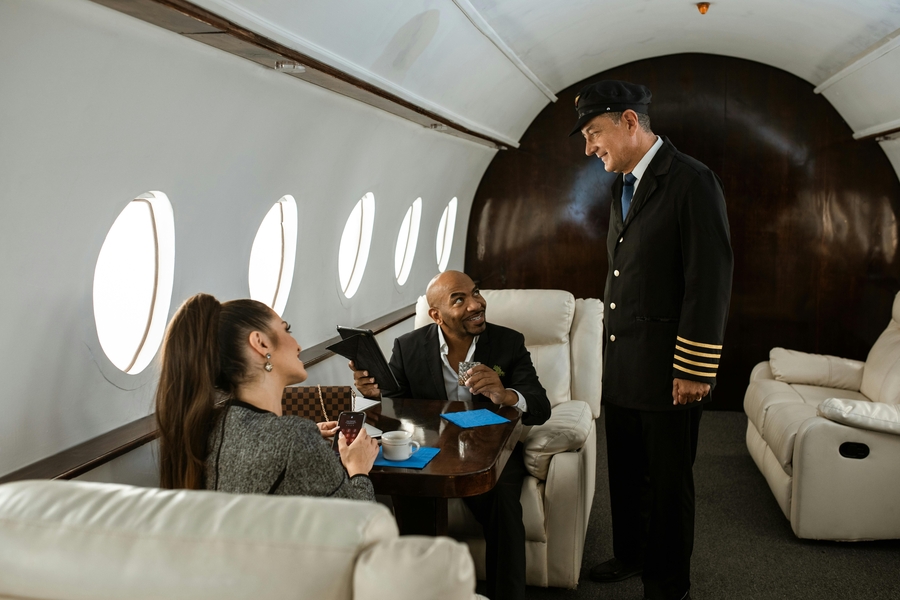
Tag: private aviation

  • The Role of Private Jets in the Ultra-Luxury Travel Market

    The Role of Private Jets in the Ultra-Luxury Travel Market

    Private jet travel has redefined the meaning of luxury, offering unparalleled access to exclusive experiences, seamless convenience, and elite service.

    Over the years, private jet travel has evolved from a niche service for corporate executives to a mainstream pillar of the ultra-luxury travel industry. The market for private aviation continues to grow, driven by a rising number of ultra-high-net-worth individuals (UHNWIs) seeking unparalleled privacy, comfort, and efficiency in their travel experiences. The COVID-19 pandemic further accelerated this trend, as travelers prioritized safety and minimized exposure to crowded commercial airports. This shift has cemented private jets as an integral part of high-end travel.

    The Current Market Landscape and Key Players

    The private aviation market is diverse, with major players ranging from charter operators to full-service private jet management firms. Key industry leaders include NetJets, VistaJet, and Flexjet, each offering distinct service models catering to different client preferences. The market is segmented into various ownership models, including full ownership, fractional ownership, on-demand charter, and jet card memberships, each offering different levels of flexibility and investment.

    Regional differences also shape the private jet market. While North America remains the largest market, significant growth is emerging in Asia-Pacific and the Middle East, where luxury travel demand is rising. Industry consolidation is another notable trend, with smaller operators merging or being acquired by larger firms to enhance service offerings and expand fleets. Additionally, sustainability concerns are reshaping the sector, prompting investment in sustainable aviation fuel (SAF) and carbon offset programs.

    Private Jet Categories: Matching Aircraft to Client Needs

    The world of private jets is vast, with various aircraft categories catering to different travel requirements. Light jets, such as the Embraer Phenom 300, are ideal for short-haul flights, offering cost-effective luxury. Midsize jets provide greater range and cabin space, making them suitable for intercontinental travel. Long-range and ultra-long-range jets, including the Gulfstream G700 and Bombardier Global 7500, cater to clients who require non-stop international capabilities.

    VIP airliners, such as the Boeing Business Jet (BBJ), redefine luxury with fully customized interiors featuring bedrooms, lounges, and private meeting spaces. Customization is a key aspect of ultra-luxury travel, with owners tailoring aircraft interiors to reflect their lifestyle and business needs.

    Understanding the Ultra-Luxury Traveler

    The clientele of private aviation spans a broad spectrum of UHNW individuals, corporate executives, and high-profile personalities. Business leaders and entrepreneurs frequently use private jets to maximize efficiency, minimizing time lost in transit. Celebrities and public figures prioritize privacy and security, making private jets an essential part of their lifestyle. Emerging client segments include younger tech entrepreneurs and affluent travelers seeking bespoke experiences. Regional differences also play a role in private jet usage, with European clients often favoring fractional ownership, while Middle Eastern travelers lean towards full ownership.

    Service Excellence: Elevating the Private Jet Experience

    Beyond the aircraft itself, service differentiation is a critical factor in ultra-luxury private aviation. Ground handling services ensure seamless departures and arrivals, while elite concierge services coordinate every aspect of the journey, from bespoke in-flight catering to exclusive destination experiences. Catering on private jets rivals Michelin-starred restaurants, with gourmet meals tailored to individual preferences. Some elite jet operators partner with world-renowned chefs like Gordon Ramsay or Nobu to curate bespoke in-flight dining experiences. Additionally, passengers can enjoy vintage wines, rare champagnes, and caviar-tasting menus.

    Security is another key consideration, with top-tier operators providing advanced safety measures, including discreet boarding and flight crew background checks. For high-profile clients, additional security measures such as private air terminals, armored vehicle transfers, and personal security escorts can be arranged.

    Behind the Scenes: The Operational Backbone of Private Jets

    Operating a private jet involves complex logistics beyond the in-flight experience. Flight planning ensures optimal routing for fuel efficiency and regulatory compliance, while crew requirements vary depending on aircraft size and client preferences. Maintenance is a crucial aspect of aircraft ownership and charter operations, ensuring safety and performance standards are met. Unlike commercial airlines, private jets have access to a broader range of airports, including smaller regional hubs that reduce travel time for clients. Weather contingency planning is another critical factor, allowing private jet operators to adjust flight schedules in response to adverse conditions while maintaining minimal disruption to passengers.

    The Economics of Private Jet Travel

    Private jet travel comes with significant financial considerations, from ownership costs to charter pricing models. Full ownership involves upfront costs exceeding tens of millions of dollars, alongside ongoing maintenance and crew salaries. Fractional ownership provides a more accessible entry point, allowing clients to own a share of an aircraft and access flights as needed. Charter services operate on a pay-per-flight basis, with pricing dependent on aircraft type, distance, and additional services.

    Operating expenses, including fuel, maintenance, and insurance, further impact the total cost of ownership. Tax implications also play a role, as certain jurisdictions offer tax advantages for private jet ownership or leasing structures.

    Seamless Integration with Luxury Travel Services

    Ultra-luxury travel extends beyond the flight experience, with private jets seamlessly integrating with high-end hospitality and transportation networks. Many operators partner with luxury hotel brands, ensuring VIP treatment from arrival to departure. Ground transportation coordination provides a smooth transition between private flights and on-the-ground travel, whether via chauffeured cars or helicopter transfers.

    Exclusive event access is another benefit, granting private jet travelers entry to high-profile events, from fashion weeks to international sporting competitions. Destination services enhance the experience with tailored itineraries, while loyalty programs reward frequent travelers with bespoke perks and upgrades. Some programs even offer invitations to private yacht charters, elite golf courses, and members-only clubs, enhancing the exclusivity factor.

    Elevate Your Understanding of Ultra-Luxury Aviation

    Private jets are more than a mode of transportation; they are a gateway to a world of exclusivity, efficiency, and unparalleled luxury. As the industry continues to evolve, staying informed on the latest trends, innovations, and market developments is essential. For in-depth insights into private aviation, industry trends, and luxury travel, visit Ayman Jets—your premier resource for everything private jet-related.


  • Flying in Style: How to Personalize Your Private Jet Experience

    Flying in Style: How to Personalize Your Private Jet Experience

    Private jet travel has long been synonymous with luxury, exclusivity, and efficiency. However, in recent years, personalization has become a defining trend in private aviation. Discerning travelers no longer seek just convenience, but a flight experience tailored to their unique preferences. From pre-flight customization to in-flight indulgences, today’s private jets can be transformed into personal sanctuaries that reflect individual style, comfort, and purpose.

    Choosing the Right Aircraft for Your Needs

    Selecting the perfect jet is the first step toward personalization. Every aircraft type offers unique features, and matching these to your needs ensures a seamless experience. Whether it’s a long-range jet for intercontinental travel or a light jet for quick business hops, considerations such as passenger capacity, range, cabin layout, and onboard amenities play a crucial role. Some owners even collaborate with manufacturers to modify existing models, creating aircraft that cater to specific lifestyle needs—be it a business-ready jet with office-like facilities or a leisure-oriented aircraft designed for relaxation and entertainment.

    Crafting a Bespoke Interior

    Interior design transforms a private jet into a reflection of personal taste and elegance. Custom upholstery, hand-stitched leather seats, and rare wood paneling are just the beginning. Color schemes, lighting preferences, and branding elements can be integrated to match personal or corporate identity. For those seeking the pinnacle of luxury, collaboration with renowned design firms ensures that every detail, from wall textures to carpeting, is curated to perfection. Themed interiors, whether inspired by classic elegance or modern minimalism, further enhance the exclusivity of the experience.

    Enhancing Comfort and Entertainment

    Comfort is paramount in private aviation, and seating arrangements can be tailored to optimize relaxation and productivity. Ergonomic seating, convertible spaces, and high-quality bedding turn the jet into a second home in the sky. Beyond physical comfort, entertainment customization elevates the flight experience. High-speed connectivity, bespoke entertainment systems, and personalized media libraries ensure that passengers can work, unwind, or enjoy tailored in-flight programming. Advanced soundproofing and premium audio systems further enhance the immersive experience, making every journey a pleasure.

    Curating a Fine Dining Experience

    Gourmet dining is an integral part of private jet personalization. Personalized catering services allow travelers to enjoy tailored menus crafted by top chefs. Whether it’s a preference for organic, gluten-free, or Michelin-starred meals, every request can be accommodated. Some jets even feature onboard kitchens where private chefs prepare meals fresh in-flight. Wine pairings and rare spirits complete the gastronomic journey, ensuring that the culinary experience matches the sophistication of the overall flight.

    Smart Technology and Personal Preferences

    Technology plays a key role in making private jets more intuitive and personalized. Smart climate control systems adjust temperature preferences automatically, while customizable mood lighting creates the perfect ambiance for work or rest. Smart device synchronization allows passengers to control entertainment, lighting, and communication features at the touch of a button. AI-powered systems can even remember past preferences, ensuring that every flight replicates the traveler’s ideal experience.

    Privacy, Security, and Discretion

    Privacy is a fundamental aspect of private aviation, and modern jets incorporate advanced security features to protect high-profile passengers. Secure communication systems ensure that business discussions remain confidential, while advanced security protocols safeguard against unauthorized access. Some travelers opt for discrete travel arrangements, ensuring that departure and arrival logistics are handled with the utmost confidentiality. For those prioritizing security, jets can be equipped with biometric access controls and surveillance systems, reinforcing safety at every stage of the journey.

    Wellness and Productivity in the Sky

    For travelers who prioritize health and wellness, jets can be designed with features that enhance well-being. Air purification systems ensure high air quality, while ergonomic considerations minimize fatigue. Meditation spaces, onboard fitness equipment, and spa-like relaxation areas elevate the wellness experience. For business travelers, productivity remains a key concern. Mobile office setups with high-speed connectivity, dedicated meeting spaces, and video conferencing capabilities transform a private jet into a flying boardroom, ensuring that business operations continue seamlessly mid-flight.

    Beyond Luxury: Experiential Customization

    Personalization goes beyond interiors and technology; it extends to creating unique travel experiences. Themed flights, curated cultural experiences, and special occasion packages allow passengers to turn their journeys into memorable adventures. Whether it’s a wine-tasting flight over Napa Valley, a bespoke safari experience with aerial views of African landscapes, or a romantic getaway with tailored in-flight ambiance, private jets offer limitless possibilities for experiential luxury.

    Redefining the Private Jet Journey

    Flying in a private jet is no longer just about convenience—it’s about creating a space that reflects personal aspirations, style, and lifestyle. From the choice of aircraft to bespoke interiors, from gourmet dining to tailored experiences, the modern private jet experience is defined by limitless customization. Whether flying for business or leisure, personalization ensures that every journey is an extension of the traveler’s individuality.

    Visit Ayman Jets to gain more insights into the world of private aviation and explore the future of luxury air travel.

  • How Private Jets Facilitate Fast Market Entry and Expansion

    How Private Jets Facilitate Fast Market Entry and Expansion

    Entering new markets is a complex and time-sensitive process. Businesses must navigate logistical hurdles, regulatory landscapes, and competitive pressures while ensuring seamless operations. One of the most significant barriers to market expansion is transportation—having executives, decision-makers, and teams reach new markets efficiently can determine the speed and success of business expansion.

    Speed and Agility in Business Expansion

    Market entry and expansion require agility, and private jets provide the flexibility to act quickly. Unlike commercial aviation, which often faces unpredictable delays and scheduling constraints, private jets offer direct travel, enabling multiple market visits in a single day.

    The key advantages include:

    • Maximizing productivity: Direct travel to business hubs, remote locations, or underserved markets without unnecessary stopovers.
    • Flexible scheduling: Immediate response to market opportunities and shifting business dynamics.
    • Eliminating administrative delays: Streamlined boarding, security, and customs procedures, significantly reducing downtime.
    • First-mover advantage: Faster access to new markets allows businesses to secure deals and gain an early foothold before competitors.

    Strengthening Business Relationships and Global Presence

    Building strong business relationships is crucial when entering new markets. Private jets enable executives to engage in face-to-face meetings, fostering trust and expediting deal-making. This is especially advantageous in regions where commercial flight options are limited or unreliable. The benefits include:

    • Access to remote and emerging markets: Many growing economies have underdeveloped commercial flight networks. Private jets provide direct access to these regions, making business expansion seamless.
    • Rapid response to opportunities: When a sudden business opportunity arises, being physically present can make a difference in closing a deal.
    • Enhanced reputation and brand authority: The ability to travel quickly signals commitment, reliability, and a strong business presence in international markets.
    • Time savings vs. cost: The ability to visit multiple locations in a single day saves days or even weeks of commercial travel inefficiencies.
    • Productivity gains in transit: Private jets function as mobile offices, allowing executives to conduct meetings, review documents, and maintain seamless communication while traveling.
    • Minimized ancillary costs: Commercial business travel incurs hidden costs, including last-minute flight changes, hotel stays, and productivity losses due to delays.
    • Long-term financial impact: Faster market penetration, quicker revenue generation, and improved deal closures often outweigh the upfront costs of private aviation.

    Expanding into Hard-to-Reach Markets

    Expanding into remote or developing markets presents significant challenges, particularly when commercial airline coverage is insufficient. Private jets provide a critical solution by enabling direct access to these markets, reducing logistical complexities, and ensuring business continuity. These benefits include:

    • Bypassing infrastructure limitations: Private jets can land at smaller regional airports closer to business hubs, reducing ground travel time.
    • Multinational expansion strategies: Companies looking to expand globally can move executives across international borders without logistical disruptions.
    • Tailored travel for business needs: Whether for site inspections, factory visits, or client meetings, private aviation ensures businesses are in the right place at the right time.

    Industry-Specific Use Cases for Private Aviation

    Private jets provide strategic value across various industries where time-sensitive market entry and mobility are critical. Companies in different sectors rely on private aviation to maximize efficiency, reduce logistical barriers, and ensure rapid decision-making. The key industries benefiting from private jets include:

    • Technology & Startups: Enables rapid global expansion and investor meetings.
    • Manufacturing & Supply Chain: Quick access to production facilities and supply chain partners for operational efficiency.
    • Venture Capital & Investment: Allows investors to assess high-growth opportunities in emerging markets.
    • Consulting & Professional Services: Supports executives visiting multiple clients in different locations within short timeframes.

    Navigating Legal and Regulatory Considerations

    Expanding internationally with private aviation requires compliance with various laws and regulations. Companies must navigate international flight policies, immigration procedures, and customs regulations to ensure smooth travel.

    Companies using private jets must be aware of:

    • International flight regulations: Compliance with aviation laws in different jurisdictions is essential for seamless operations.
    • Visa and entry requirements: Understanding the complexities of international entry procedures helps prevent travel delays.
    • Customs and immigration processes: Private jet travelers often benefit from expedited customs clearance, but regulations vary by country.
    • Local business compliance: Ensuring adherence to local trade, tax, and corporate laws is critical when entering new markets.

    Technology and Connectivity in the Air

    Modern private jets function as airborne offices, allowing executives to remain productive while traveling. These aircraft offer cutting-edge technology that facilitates seamless business operations. Key technological features include: In the digital age, private jets serve as mobile command centers, allowing business leaders to remain connected and make real-time decisions while in transit.

    • High-speed in-flight connectivity: Secure internet access enables executives to conduct business seamlessly.
    • Data security and encryption: Private aviation offers a secure communication environment, protecting sensitive corporate information.
    • Mobile office capabilities: Conference calls, financial modeling, and document reviews can be conducted efficiently during flights.

    Take Your Market Expansion to the Next Level

    For businesses looking to expand quickly and efficiently, private aviation is more than a luxury—it is a strategic tool that accelerates market entry, strengthens business relationships, and enhances competitive positioning.

    To stay ahead of global market trends and learn more about private jet strategies, visit AymanJets.com.

  • How to Pack for a Private Jet Flight: What to Bring and What to Leave Behind

    How to Pack for a Private Jet Flight: What to Bring and What to Leave Behind

    Packing for a private jet flight is a unique experience that blends luxury, efficiency, and personal convenience. Unlike commercial flights, there are fewer baggage restrictions, security checks are streamlined, and many in-flight amenities are already provided. However, smart packing ensures a stress-free journey while allowing you to travel light without forgetting the essentials.

    Choosing the Right Luggage for Private Jet Travel

    Although private jets are more flexible than commercial airlines, space limitations vary depending on the aircraft size.

    • Soft-sided luggage is preferred as it fits more easily into storage compartments, while hard-shell cases provide better protection for fragile items.
    • Weight considerations apply to smaller jets, as excessive weight can affect fuel efficiency.
    • Luxury luggage preferences such as leather duffels or designer carry-ons balance style and practicality.

    Essential Travel Documents and Valuables

    Even with the ease of private jet travel, necessary documentation must be in order:

    • Must-have documents: Passport, visa (if required), vaccination records, and travel permits.
    • Insurance and medical records: Keep a copy of travel insurance details and medical documents.
    • Securing valuables: Carry jewelry, luxury watches, and high-value items in a discreet travel pouch.
    • Digital backups: Store digital copies of essential documents in a secure cloud storage system.

    Packing Personal Electronics for Convenience and Productivity

    Private jets provide a seamless experience for work and leisure, but packing the right tech accessories enhances the journey:

    • Charging and compatibility: Bring universal adapters and power banks to keep devices charged.
    • Entertainment options: Download movies, music, or audiobooks as a backup.
    • Work essentials: Laptops, noise-canceling headphones, and business presentation materials.

    Selecting the Right Clothing and Accessories

    Dressing appropriately for a private jet flight depends on your destination and the purpose of your trip. Business travelers may prefer a tailored yet comfortable outfit, while leisure travelers can opt for a more relaxed yet stylish look. Climate-appropriate attire should be considered, especially for long-haul flights. When it comes to footwear, choose comfortable yet elegant shoes that are easy to slip on and off. If packing delicate fabrics, use garment bags or rolling techniques to prevent wrinkles.

    Comfort Essentials for a Relaxing Flight

    Private jets offer a high level of comfort, but personal items can enhance the experience. Some travelers prefer to bring their travel pillow or blanket, even though many jets provide luxury bedding. Skincare essentials, high-quality hand cream, and hydration tablets help combat dry cabin air. Those on medication should carry prescriptions in their original packaging, along with a small first-aid kit for added peace of mind.

    Food and Beverage Considerations

    One of the best perks of flying private is the ability to customize in-flight dining.

    • Onboard catering: Most operators offer gourmet meals tailored to passenger preferences.
    • Personal snacks: Bringing favorite snacks ensures comfort, especially for long-haul flights.
    • Special dietary needs: Vegan, gluten-free, halal, or kosher meals can be requested in advance.

    Understanding Security and Safety Restrictions

    While security procedures are more relaxed on private jets, certain restrictions still apply:

    • Prohibited items: Hazardous materials, large lithium-ion batteries, and oversized liquids are restricted.
    • Dangerous goods regulations: Certain electronic devices and materials require special permissions.
    • International travel considerations: Customs regulations apply to duty-free purchases and large sums of cash.

    Etiquette and Protocol for Private Jet Travel

    Flying private comes with an unspoken etiquette that enhances the experience for everyone onboard. While there’s no strict dress code, well-dressed passengers maintain the exclusive feel of the journey. Crew members will assist with luggage, but keeping bags lightweight and organized is appreciated. If traveling with others on a shared charter, be mindful of space and noise levels to ensure a pleasant experience for all.

    Special Considerations for Unique Travel Needs

    Private jets cater to a variety of travel needs, but additional planning is required for special circumstances:

    • Traveling with children: Pack engaging toys, snacks, and comfort items.
    • Pet-friendly policies: Check requirements, including health certificates and vaccination records.
    • Sporting equipment: Golf clubs, skis, and similar items may need special storage.
    • Formal occasions: Delicate wardrobe pieces should be packed securely.

    Pre-Flight Packing and Organization Tips

    A smooth journey begins with efficient preparation. Creating a packing checklist helps avoid last-minute stress while packing a few days before departure ensures you don’t forget anything important. Communication with the operator is key—confirm baggage policies, in-flight catering options, and any special requirements ahead of time. Before leaving for the airport, double-check that all necessary documents are packed, devices are charged, and valuables are securely stored.

    Items Best Left Behind

    Overpacking can take away from the ease and elegance of private jet travel.

    • Unnecessary valuables: Excess jewelry or expensive watches not needed for the trip.
    • Oversized luggage: Bulky suitcases that may not fit in storage compartments.
    • Redundant items: Toiletries provided onboard eliminate the need for extra skincare products.
    • Easily sourced items: Certain clothing and accessories can be purchased at the destination.

    Final Thoughts: Travel in Style, Pack Smart

    Packing for a private jet flight is all about efficiency and refinement. By selecting the right essentials, embracing the convenience of in-flight amenities, and respecting space limitations, you ensure a seamless and luxurious travel experience.

    Explore More Private Jet Travel Insights

    For more expert tips and insights into private jet travel, visit AymanJets.com and discover how to make your next flight a seamless experience.

  • The Ultimate Guide to Planning Your Private Jet Trip

    The Ultimate Guide to Planning Your Private Jet Trip

    Private jet travel offers a seamless and luxurious way to reach your destination with unparalleled convenience. Whether you’re flying for business, a special occasion, or simply to avoid the hassles of commercial air travel, planning a private jet trip requires careful consideration. From selecting the right aircraft to understanding cost structures, this guide walks you through everything you need to know to ensure a smooth and enjoyable flight.

    Defining Your Travel Needs: Tailoring the Experience to You

    Before booking a private jet, it’s essential to assess your specific travel requirements. Different trips require different aircraft, services, and planning considerations. If you’re traveling for business, you may need an aircraft equipped with onboard Wi-Fi and conference facilities. For leisure trips, comfort and entertainment options might take priority. The number of passengers also plays a role in determining the right aircraft size, as some jets are ideal for solo or small group travel, while others cater to larger parties.

    Another crucial factor is your destination. Some private jets have limited range, requiring fuel stops for long-haul flights. Additionally, consider baggage requirements—if you’re carrying bulky items such as golf clubs or ski equipment, you’ll need a jet with ample cargo space. Finally, think about privacy and flexibility. Whether you prefer a fully private experience or don’t mind shared charter options, these elements impact your overall experience.

    Selecting the Right Jet: Finding the Perfect Fit

    Private jets come in various sizes, each designed for different types of journeys. Your choice of aircraft will impact comfort, travel time, and overall cost.

    Light jets are ideal for short-haul flights of around two to three hours and accommodate up to six passengers. Midsize jets offer a balance of comfort and range, making them suitable for cross-country trips. If you require more space and luxury, heavy jets provide long-range capabilities and high-end amenities. For intercontinental flights, ultra-long-range jets ensure maximum comfort and non-stop travel.

    Other factors to consider include cruising speed, baggage capacity, and available in-flight services such as Wi-Fi, gourmet catering, and sleeping arrangements.

    Exploring Booking Options: Finding the Best Deal

    There are multiple ways to access private jets, and your choice will depend on how frequently you fly and your budget.

    • Private Jet Charter – Best for one-time or occasional travelers who want full control over flight details.
    • Jet Card Programs – A prepaid option for frequent flyers, offering set hourly rates.
    • Fractional Ownership – A cost-effective solution for those flying regularly, allowing shared ownership of an aircraft.
    • Empty Leg Flights – A budget-friendly option to book pre-scheduled, one-way flights at discounted rates.
    • Direct Booking vs. Brokers – Working directly with operators may provide cost savings, while brokers can simplify the process by finding the best match.

    When deciding between direct booking and using a broker, consider how much control you want over the selection process. Brokers can provide convenience by sourcing the best options for your needs, while direct booking may offer greater transparency and potentially lower costs.

    Understanding Costs: What to Expect When Booking a Private Jet

    Private jet pricing varies widely based on aircraft type, route, and additional services.

    Hourly rates range from $2,000 for a light jet to over $15,000 for an ultra-long-range aircraft. Beyond the base fare, additional costs include landing fees, crew overnight expenses, and catering services. Fuel surcharges may also apply, especially for long-haul routes. It’s important to review contract terms carefully to avoid hidden fees or restrictive cancellation policies. Comparing multiple providers and clarifying what’s included in the final price ensures you get the best value.

    Choosing the Right Airport: Maximizing Convenience

    Private jets can access a wide range of airports, including smaller executive airports that provide more privacy and efficiency.

    Flying from private terminals significantly reduces wait times, allowing you to arrive just minutes before departure. Fixed-base operators (FBOs) offer VIP lounges, concierge services, and expedited boarding, ensuring a stress-free experience. Ground transportation can also be pre-arranged for a seamless transition between your flight and final destination. For frequent flyers, some airports provide long-term parking and hangar storage options.

    Navigating Flight Planning and Safety Considerations

    A seamless private jet experience requires meticulous flight planning. Weather conditions, route optimization, and international travel requirements all play a role in ensuring a smooth trip. If you’re flying internationally, ensure all passport and visa requirements are met well in advance.

    Safety is also a key priority. Always check the operator’s safety ratings, pilot qualifications, and insurance coverage before booking. Choosing a reputable provider with a strong safety record can provide peace of mind and ensure a smooth journey.

    Enhancing Your In-Flight Experience

    One of the major advantages of private jet travel is the ability to personalize the journey. To maximize comfort and enjoyment:

    • Streamlined Check-In – Arrive minutes before departure with minimal security hassle.
    • Custom Catering – From gourmet meals to dietary-specific requests, catering can be fully tailored.
    • Luxury Amenities – Onboard Wi-Fi, entertainment systems, and private sleeping areas enhance the experience.
    • Personalized Service – Attendants can cater to your specific needs throughout the flight.

    Final Pre-Flight Checklist: Ensuring a Smooth Takeoff

    To ensure a hassle-free departure, review this checklist before heading to the airport:

    • Valid Documentation – Ensure all passengers have up-to-date passports, visas, and any required travel permits.
    • Baggage Considerations – Verify luggage weight and size restrictions according to your aircraft’s capacity.
    • Timely Arrival – Plan to arrive at the terminal at the recommended time to avoid delays.
    • Communication with Operator – Stay in touch with your flight provider for any last-minute changes or updates.

    Smart Tips for First-Time Private Jet Travelers

    If this is your first time flying private, a few insights can help make your experience even better. Booking in advance can save you money, as last-minute bookings often come at a premium. Understanding private jet etiquette—such as dressing appropriately, respecting the crew, and following in-flight protocols—can also make for a smoother experience. If you have special requests, such as specific catering or a pet-friendly flight, communicate these needs early. Finally, take advantage of exclusive perks like VIP lounges and concierge services to fully enjoy the luxury of private jet travel.

    Ready to Take Flight? Explore More on Aymanjets.com

    Planning a private jet trip doesn’t have to be complicated. Whether you’re a first-time flyer or a seasoned traveler, understanding your options ensures a smooth and luxurious experience. For more insights, expert advice, and tailored recommendations, visit Aymanjets.com and start planning your next journey today!

  • Private Jets: The Ultimate Time Management Tool for Executives

    Private Jets: The Ultimate Time Management Tool for Executives

    Private aviation has revolutionized executive travel, offering unparalleled flexibility and efficiency. For today’s CEOs and high-level executives, time is a critical resource and traditional commercial travel often falls short of meeting the demands of a fast-paced business world. By leveraging private jets, executives gain a strategic edge, navigating modern challenges like tighter schedules, unpredictable delays, and the need for quick decision-making with ease.

    Building the Case for Private Jets in Business

    Private aviation is more than a luxury; it’s an investment in productivity. Commercial travel’s inherent inefficiencies—such as extended layovers and unpredictable delays—translate into significant productivity losses. Private jets eliminate these challenges, enabling executives to allocate their time effectively. The cost may seem high at first glance, but when measured against company performance metrics and the value of executive time, the benefits become clear.

    Strategic Advantages in Time Management

    Private jets offer unparalleled time management benefits, allowing executives to conduct multiple high-stakes meetings across different cities in a single day. They enable immediate responses to unexpected business opportunities or crises, provide access to remote locations that are often inaccessible by commercial flights, and offer the flexibility to adjust schedules at the last minute without disrupting overall plans. This adaptability ensures businesses maintain a competitive edge and that key decisions are made without delay.

    Enhancing Productivity in the Sky

    Private jets are not just about getting from point A to point B—they serve as mobile offices in the sky. Configurable workspaces ensure uninterrupted focus, while high-speed communication systems enable real-time collaboration with team members or stakeholders. Secure data transmission protects sensitive information, and onboard facilities for in-flight meetings allow teams to prepare or strategize effectively en route to key events. These features ensure that executives maximize productivity during every moment of travel.

    Streamlining Operations for Maximum Efficiency

    The operational efficiencies of private jets further enhance their value. Executives can bypass lengthy airport security and check-in processes, saving significant time and effort. Private jets also allow access to smaller airports closer to business hubs, reducing transit times. Flexible routing mitigates weather-related disruptions, while seamless integration with ground transportation ensures end-to-end efficiency. By minimizing travel friction, private jets enable executives to focus on strategic priorities instead of logistical hurdles.

    Weighing Ownership and Usage Options

    When considering private aviation, businesses must evaluate their needs to determine the best approach. Options include:

    Each model has its cost implications and operational considerations, which businesses should assess carefully.

    Leveraging Technology for Smarter Travel

    Modern technology has revolutionized the private aviation experience, providing advanced flight planning software that optimizes routes and enhances efficiency. Real-time tracking systems offer situational awareness, while mobile booking platforms simplify scheduling. Secure communication networks ensure seamless operations during transit, making private aviation more reliable and effective for executives.

    Managing Risks in Private Aviation

    Safety and risk management are critical components of private aviation. Rigorous safety standards and protocols are followed to ensure secure travel, complemented by comprehensive insurance coverage. Real-time weather monitoring helps mitigate potential disruptions, and well-prepared contingency plans provide a safety net in case of emergencies. These measures ensure a dependable and secure travel experience for executives.

    Navigating Regulatory and Compliance Challenges

    Private jet users face a complex regulatory landscape, requiring adherence to international aviation laws, management of tax obligations, and ensuring proper documentation for international travel. Meeting stringent safety standards is equally critical. Collaborating with aviation consultants or legal experts can help businesses navigate these challenges effectively, ensuring compliance and smooth operations.

    Measuring the Return on Investment

    The ROI of private aviation can be assessed through:

    • Metrics on time saved compared to commercial travel.
    • Tracking productivity levels during travel.
    • Analyzing cost comparisons over time.
    • Evaluating the impact on client relationships and business opportunities.

    These insights demonstrate how private jets contribute to organizational success beyond their upfront costs.

    Conclusion: Elevating Business Success Through Private Aviation

    Private jets are more than a mode of transportation; they are a strategic asset for executives aiming to maximize their time and productivity. From enhancing efficiency to fostering collaboration, private aviation enables businesses to stay ahead in a competitive landscape.

    Continue exploring the transformative potential of private aviation at AymanJets.com, where we provide expert insights, industry updates, and strategic tips for leveraging private jets to achieve your business goals.

  • Tips for Flying Private in High-Demand Seasons: How to Secure Your Jet

    Tips for Flying Private in High-Demand Seasons: How to Secure Your Jet

    Flying Private offers unparalleled convenience, luxury, and efficiency. However, during high-demand seasons, such as holidays, major events, or unpredictable weather periods, securing a private jet can become a logistical challenge. In this guide, we’ll explore strategies to ensure a smooth and reliable private flying experience, even during the busiest times of the year.

    Understanding the Challenges of High-Demand Seasons

    Peak seasons for private jet travel often coincide with specific events and conditions that drive demand. Knowing these challenges can help you plan effectively and secure your travel plans.

    • Common High-Demand Periods:
      • Major holidays like New Year’s Eve and Christmas.
      • Global events such as sports tournaments or music festivals.
      • Industry-specific conferences and summits.
      • Seasonal weather patterns impact travel schedules.
    • Market Dynamics:
      • Aircraft availability decreases during peak periods.
      • Pricing surges due to supply and demand imbalances.
      • Regional variations, with some areas experiencing higher demand based on events or weather.

    Understanding these dynamics allows you to anticipate challenges and proactively address them.

    Planning Ahead: A Key to Success

    Proper planning is the cornerstone of securing your private jet during high-demand times. From timing your bookings to optimizing your travel routes, a proactive approach can save you time, money, and stress.

    • Book Early and Stay Flexible:
      • Reserve your flight weeks or months in advance to secure your preferred schedule and aircraft.
      • Utilize priority booking programs from operators or brokers for added assurance.
      • Maintain flexibility with your travel dates and times to increase available options.
    • Optimize Your Travel Routes:
      • Fly through less congested airports to avoid delays and complications.
      • Verify the availability of Fixed Base Operators (FBOs) at your destination.
      • Consider weather-related contingencies and slot restrictions that may affect your route.

    Selecting the Right Aircraft and Operator

    Choosing the right aircraft and working with reliable operators ensures a seamless travel experience, even during peak seasons.

    • Tailor Your Aircraft Choices:
      • Match the size and range of the jet to your travel needs.
      • Consider luggage capacity, passenger count, and flight duration.
      • Have a backup option in case your preferred aircraft becomes unavailable.
    • Build Trusted Relationships:
      • Partner with multiple operators to expand your options during high-demand periods.
      • Join preferred provider programs for priority scheduling and exclusive benefits.
      • Work with brokers who can negotiate on your behalf for last-minute availability.

    Managing Costs During Peak Seasons

    Flying private during high-demand periods can come with premium pricing. However, strategic cost management can help mitigate these expenses.

    • Navigate Pricing Challenges:
      • Choose off-peak travel times, such as mid-week or early mornings, to reduce costs.
      • Understand dynamic pricing patterns to book at the right time.
      • Leverage membership programs or jet cards for guaranteed availability at lower rates.
    • Unlock Savings Through Strategic Booking:
      • Take advantage of early booking discounts offered by many operators.
      • Look for empty-leg deals, which can be significantly more affordable.
      • Consider bundled packages or bulk flight hour purchases for frequent flyers.

    Final Thoughts: Planning Is Everything

    Flying private during high-demand seasons requires a thoughtful approach to planning, cost management, and relationship building. By booking early, leveraging technology, and remaining flexible, you can navigate peak travel periods with confidence and ease.

    Read on for Insider Tips

    Want more expert advice to enhance your private flying experience? Continue reading our website for the latest industry updates, exclusive strategies, and tailored insights. Stay ahead and ensure your travel is always seamless! Email us today for business inquiries.

  • Top Cost-Saving Strategies for Private Jet Owners

    Top Cost-Saving Strategies for Private Jet Owners

    Owning a private jet offers unparalleled convenience, luxury, and efficiency, but it also comes with significant costs. For private jet owners, maximizing value while minimizing expenses is essential to sustaining this mode of travel.

    Operational Efficiency

    Fleet Optimization: Making Every Flight Count

    Choosing the right aircraft for your mission profile is a cornerstone of cost efficiency. Aligning aircraft capabilities with travel needs ensures no resources are wasted on underutilized or oversized jets. For instance, strategic replacement of aging jets with newer, fuel-efficient models can significantly reduce long-term operating costs. Additionally, maintaining a flexible fleet that meets both current and projected needs ensures you’re always prepared without overspending.

    Flight Planning & Operations: Flying Smarter, Not Harder

    Optimizing flight routes saves both time and fuel. Advanced weather routing systems and fuel tankering strategies—where fuel is purchased in bulk at lower-cost locations—can reduce costs dramatically. Moreover, utilizing empty-leg flights, either through sharing networks or chartering out unused capacity, turns potential losses into savings or even revenue.

    Crew Management: Balancing Expertise and Efficiency

    Efficient crew scheduling reduces idle time and travel expenses for personnel. Cross-training pilots and cabin crew adds operational flexibility while minimizing redundancy. Additionally, positioning crew bases closer to frequent destinations can save on accommodation and travel expenses.

    Financial Optimization

    Ownership Structure: Tax and Asset Efficiency

    The way you own your jet has a significant impact on costs. Establishing ownership through an LLC or similar structure can provide tax benefits and liability protection. Optimizing depreciation through strategic accounting practices ensures you extract maximum financial advantage from your asset.

    Revenue Generation: Monetizing Idle Capacity

    Consider chartering your jet during downtime or joining fractional ownership programs to share costs and generate revenue. Monetizing empty legs by listing them with reputable brokers or creating partnership arrangements with other operators can further offset expenses.

    Insurance Optimization: Reducing Premiums Without Compromising Coverage

    Reviewing fleet policies annually can help identify opportunities for savings through volume discounts. Highlighting strong safety records during negotiations with insurers can also secure lower premiums. Risk management programs tailored to your operational profile ensure optimal coverage at a minimal cost.

    Maintenance & Asset Management

    Preventive Maintenance: An Ounce of Prevention Saves Thousands

    Scheduling maintenance strategically reduces unexpected downtimes and costly repairs. Partnering with OEM (Original Equipment Manufacturer) service programs and implementing reliability-based programs help maintain optimal performance while controlling expenses. Managing a well-organized parts inventory ensures availability and avoids expensive last-minute orders.

    Vendor Management: Building Strategic Partnerships

    Long-term vendor relationships often come with benefits like preferred rates and volume discounts. By negotiating favorable terms and leveraging international repair facility networks, jet owners can achieve significant cost savings on maintenance and repair services.

    Technology Integration: Staying Ahead with Innovation

    Modern maintenance tracking software provides real-time updates, while predictive analytics can anticipate issues before they arise. Digital documentation systems streamline administrative processes, saving both time and money.

    Operational Support Cost Reduction

    Ground Operations: Maximizing Value at Every Stop

    Optimizing contracts with Fixed Base Operators (FBOs) and strategically negotiating hangar leases ensure competitive rates. Regular audits of ground equipment management can eliminate inefficiencies and reduce operational expenses.

    Fuel Management: Smarter Fuel Purchasing

    Fuel is one of the largest operational expenses. Joining contract fuel programs or utilizing fuel cards helps secure lower prices. Analyzing alternative airports with lower refueling costs can also lead to considerable savings without compromising convenience.

    Administrative Efficiency: Leveraging Technology

    Investing in digital solutions like automated compliance systems and back-office tools minimizes administrative overhead. Streamlining processes ensures resources are focused on operational priorities, not paperwork.

    Long-term Strategic Planning

    Asset Lifecycle Management: Planning for the Future

    Acquiring jets at the right time, maintaining reserves for major repairs, and planning an exit strategy when the aircraft no longer meets operational needs are critical components of long-term cost management. These steps ensure you always have the right tools for the job without incurring unnecessary expenses.

    Market Position: Leveraging Industry Partnerships

    Collaborating with industry players can unlock opportunities for shared resources and cost reductions. Building a robust network within the private aviation sector helps secure advantageous arrangements and enhances brand reputation.

    Sustainability Initiatives: Flying Greener, Spending Smarter

    Adopting sustainable aviation fuel (SAF) reduces environmental impact and may soon offer financial benefits through regulatory incentives. Carbon offset programs and compliance with environmental regulations position your operation as both responsible and forward-thinking.

    Subscribe to Stay Ahead

    Cost efficiency is not just about reducing expenses—it’s about making strategic decisions that enhance value and ensure sustainable operations. By adopting these strategies, private jet owners can optimize their investments and enjoy the best of private aviation without unnecessary costs.

    For more expert tips and insights on private jet ownership, continue reading our website and staying informed about the latest industry trends. Email us today for business inquiries.

  • Why Private Jets Are Essential for Corporate Efficiency

    Why Private Jets Are Essential for Corporate Efficiency

    In today’s fast-paced global business environment, the need for efficiency, agility, and swift decision-making has never been more critical. Companies across industries seek to streamline operations and enhance productivity, and one of the most effective ways to achieve this is through private jet travel.

    Private jets offer unmatched flexibility, convenience, and the ability to manage business operations more effectively. By eliminating the constraints of commercial airlines and optimizing travel schedules, companies can enhance executive productivity, improve client relations, and capitalize on time-sensitive business opportunities. These factors make private jets crucial assets for companies that prioritize efficiency.

    Maximizing Time Efficiency: The Key Advantage of Private Jets

    One of the most significant advantages of using private jets for corporate travel is the substantial time savings. In a competitive business environment, time is money, and private jets offer unmatched efficiency when compared to commercial travel.

    Bypassing Airport Hassles and Delays

    Flying commercial often means dealing with long security lines, boarding processes, and potential flight delays. Private jets, on the other hand, allow executives to avoid the hustle and bustle of commercial airports. They can board their jet quickly at private terminals, bypassing the lengthy procedures associated with commercial flights.

    Scheduling Flexibility to Suit Business Needs

    Private jets provide the flexibility to depart at any time, eliminating the need to adhere to commercial flight schedules. This means business leaders can travel according to their own needs, allowing them to attend urgent meetings or adapt to last-minute changes without waiting for available flights.

    Boosting Executive Productivity: The In-Flight Office Advantage

    Beyond just saving time, private jets also enable executives to work more efficiently while in transit. The private, comfortable environment of a jet is conducive to productivity, allowing businesses to maximize the value of travel time.

    Further, private jets are equipped with comfortable and quiet cabins, perfect for conducting in-flight meetings or working without distractions. This environment enables executives to make important decisions, review documents, and collaborate with their teams while in the air, ensuring no downtime during travel.

    Ensuring Confidentiality for Sensitive Business Matters

    Confidentiality is critical when discussing sensitive business matters, and commercial flights do not provide the level of privacy needed for such conversations. Private jets offer a secure environment where executives can freely discuss mergers, acquisitions, or other confidential topics without the fear of being overheard.

    Reducing Travel Fatigue for High-Level Executives

    Executives often have demanding schedules, and frequent travel can lead to burnout and reduced productivity. The luxurious amenities and ample space offered in private jets help reduce travel fatigue and ensure that executives arrive at their destination refreshed and ready for business.

    Expanding Reach: Access to Remote and Strategic Locations

    Visiting Multiple Destinations in a Single Day

    For companies with operations in different cities or countries, a private jet allows executives to visit multiple locations within a single day. This flexibility can be crucial for overseeing multiple projects, attending important meetings, and making critical decisions quickly.

    As such, private jets open up new possibilities for business travel by providing access to locations that commercial airlines may not serve, making them a crucial tool for companies operating in remote or hard-to-reach areas.

    For instance, many remote business locations, such as mining sites, oil fields, or rural branch offices, are not serviced by commercial airlines.

    Strengthening Client Relations: Impress and Respond with Speed

    Private jets are also powerful tools for fostering client relationships and driving business development. They allow companies to impress potential clients and respond quickly to new business opportunities.

    Making a Lasting Impression on Clients and Partners

    Arriving in a private jet can make a strong impression on potential clients or partners, signaling professionalism, success, and a commitment to excellence. This can be a strategic advantage in negotiations or business development meetings.

    Facilitating Face-to-Face Meetings on Short Notice

    Business opportunities often arise unexpectedly, and face-to-face meetings can be crucial to sealing deals. Private jets allow executives to meet clients or partners on short notice, enhancing their ability to respond to opportunities in real-time.

    Cost-Benefit Analysis: Balancing Expenses and Revenue Potential

    While the upfront costs of private jets are higher than commercial flights, the potential benefits often outweigh the expenses. The time saved, increased productivity, and business opportunities facilitated by private jet travel can lead to significant revenue generation.

    Weighing Costs Against Revenue-Generating Opportunities

    When comparing the costs of private jets to commercial flights, it’s important to consider the potential for revenue generation. A single business deal made possible by the flexibility of private travel could far outweigh the cost of the flight itself. For example, companies using private jets to attend last-minute negotiations can secure lucrative deals that may not have been possible without the speed and efficiency of private air travel.

    Maximizing the Time Value of High-Level Executives

    For companies, the time of their top executives is one of their most valuable resources. Private jets maximize the efficiency of executive travel, enabling them to spend more time on high-level tasks that directly impact the company’s bottom line. In cases where top executives earn hundreds or thousands of dollars per hour, the cost of a private jet may easily be justified by the increased productivity and decision-making speed it allows.

    Addressing Environmental Concerns: Offsetting Carbon Footprint

    As corporate sustainability becomes a growing priority, it is important to address the environmental concerns surrounding private jets. While they do have a higher carbon footprint than commercial flights, steps can be taken to mitigate this impact.

    Carbon Offsetting and Sustainable Flight Options

    Private jets typically produce more emissions per passenger than commercial flights. However, businesses can take steps to reduce their environmental impact by investing in carbon offset programs or opting for jets that use more fuel-efficient engines and fuels. Supporting projects like reforestation or renewable energy initiatives can help offset the carbon footprint of private travel.

    Exploring Green Aviation Technologies and Future Trends

    Emerging technologies in aviation, such as electric jets and sustainable aviation fuels (SAF), are helping to reduce the environmental impact of private jets. Companies can also explore options like carbon-neutral flight plans or utilizing lighter, more fuel-efficient aircraft to reduce overall emissions. Many private jet operators are now offering carbon offset packages as part of their services.

    Comparing Private Jets to Commercial Premium Classes: Why Go Private?

    A common question for businesses is whether first-class or business-class commercial flights could provide a comparable experience. While premium commercial flights offer comfort, they lack the flexibility, privacy, and speed of private jets. The ability to bypass airport procedures, set one’s schedule, and visit multiple locations in a day makes private jet travel far more efficient for businesses with demanding travel needs. Moreover, commercial flights, even in business class, cannot provide the confidentiality and tailored amenities that private jets offer for sensitive business matters.

    Embracing Emerging Trends: New Models for Private Jet Use

    In recent years, new models of private aviation, such as jet-sharing services and fractional ownership, have made private jets more accessible to companies that may not want to own their fleets. Services like on-demand private jet charters allow businesses to enjoy the benefits of private travel without the long-term commitment of ownership. Additionally, jet-sharing allows multiple businesses to share flight costs, making it a cost-effective option for smaller companies.

    Why Private Jets Are Key to Corporate Success

    Private jets play an essential role in enhancing corporate efficiency by saving time, boosting productivity, providing access to remote locations, and improving client relations. While there are cost considerations, the strategic benefits for high-level executives and their companies often outweigh the downsides.

    Email us today for business inquiries and elevate your understanding of the skies!

  • Using Private Jets for International Business Expansion

    Using Private Jets for International Business Expansion

    In the fast-paced international business world, traveling efficiently and responding quickly to opportunities can be a defining competitive advantage. Private jets provide an invaluable tool for companies expanding globally, offering time savings, flexibility, and enhanced client engagement that commercial travel often cannot match. However, implementing a successful private aviation strategy requires more than just access to aircraft; it demands a comprehensive plan that aligns with the company’s growth goals, operational needs, and financial considerations.

    Business Case Analysis

    Begin by evaluating the financial implications of utilizing private jets for international business expansion. This involves assessing costs against potential benefits such as time savings, increased productivity, and enhanced client engagement. Identify and prioritize international markets that align with your business objectives and have high growth potential. Recognize time-sensitive opportunities where private jet travel can provide a competitive edge. Determine how private jet usage can differentiate your business from competitors, offering superior service and responsiveness. Evaluate potential risks associated with international expansion and private jet operations, including geopolitical factors, regulatory challenges, and operational hazards.

    Route Planning

    Select key international markets based on strategic importance and business potential. Establish the necessary frequency of flights to support business activities in target markets. Identify optimal hub airports that facilitate efficient access to multiple markets. Account for seasonal variations in demand and operational conditions that may affect travel plans. Plan for reaching secondary or emerging markets that may not be well-served by commercial airlines.

    Aircraft Selection

    Fleet Options

    Evaluate the suitability of different aircraft sizes, such as light jets versus mid-size jets, based on passenger capacity, range, and operational costs. Determine the need for aircraft capable of long-haul flights to distant markets. Assess the benefits and drawbacks of acquiring new versus pre-owned aircraft, considering factors like depreciation, maintenance, and upfront costs. Compare aircraft manufacturers regarding performance, reliability, support services, and resale value. Decide on the optimal number of aircraft to balance availability with cost efficiency.

    Technical Requirements

    Ensure selected aircraft can cover the necessary distances without excessive refueling stops. Match aircraft capacity with typical passenger numbers for business trips. Consider the need for cargo space for equipment or products. Verify that aircraft can operate from airports in target markets, including those with shorter runways or limited facilities. Prioritize aircraft with better fuel efficiency to reduce operating costs and environmental impact.

    Ownership Models

    Acquisition Options

    Acquire aircraft outright for exclusive use, offering maximum control and availability. Purchase a share of an aircraft, reducing capital expenditure while providing access based on ownership percentage. Lease aircraft to minimize upfront costs and maintain flexibility. Utilize on-demand charter services for occasional travel needs without long-term commitments. Combine different models to optimize cost and availability.

    Financial Structure

    Explore financing options for aircraft acquisition, including loans and lease agreements. Budget for ongoing expenses such as crew salaries, maintenance, insurance, and fuel. Understand tax benefits and liabilities associated with aircraft ownership and operation. Leverage depreciation for tax advantages. Secure appropriate insurance coverage for aircraft, crew, and passengers.

    Operational Framework

    Flight Operations

    Hire qualified pilots and cabin crew, ensuring compliance with international standards. Establish a maintenance schedule to ensure aircraft safety and reliability. Arrange for ground services, including baggage handling, refueling, and passenger assistance. Implement efficient scheduling to maximize aircraft utilization and meet business needs. Develop protocols for handling in-flight and ground emergencies.

    Regulatory Compliance

    Adhere to the aviation laws of all countries involved in operations. Obtain necessary permits for international landings. Secure permissions for flights over foreign territories. Ensure compliance with customs regulations for passengers and cargo. Maintain all required safety certifications and conduct regular audits.

    Support Infrastructure

    Ground Operations

    Collaborate with Fixed Base Operators for quality ground services. Ensure access to maintenance services at key locations. Negotiate fuel agreements to manage costs. Arrange reliable transportation for passengers upon arrival. Provide in-flight catering to meet passenger preferences.

    Technology Integration

    Utilize advanced software for efficient route planning. Implement systems to monitor and schedule maintenance activities. Use CRM tools to manage passenger information and preferences. Equip aircraft with reliable communication tools for in-flight connectivity. Deploy systems to continuously monitor and report on safety parameters.

    Business Integration

    Corporate Structure

    Establish a dedicated department to manage aviation operations. Define clear reporting lines within the organization. Implement a system to proactively manage safety risks. Develop key performance indicators to measure operational success. Allocate budget resources to support aviation activities.

    Travel Policy

    Create procedures for authorizing private jet use, set protocols for booking flights, identify priority passengers eligible for private jet travel, encourage combining trips to maximize aircraft utilization, and establish guidelines for emergency use of private jets.

    Cost Management

    Direct Operating Costs

    Implement strategies to manage fuel consumption and costs. Account for crew salaries, training, and travel expenses. Set aside funds for scheduled and unscheduled maintenance. Budget for fees associated with landing and airport services. Ensure insurance premiums are factored into operating costs.

    Indirect Costs

    Include administrative expenses related to aviation operations. Invest in training programs for crew and support staff. Allocate funds for technology systems supporting aviation activities. Plan for expenses related to regulatory compliance. Dedicate resources for marketing and client acquisition efforts.

    Risk Management

    Safety Protocols

    Maintain a comprehensive safety management system. Develop and regularly update an emergency response plan. Monitor weather conditions to inform flight decisions. Implement security measures to protect passengers and assets. Establish health protocols to ensure passenger and crew well-being.

    Develop contingency plans to ensure operational continuity in the event of aircraft unavailability. This may involve arrangements with charter services or access to backup aircraft. Establish alternative transportation options to maintain business operations during unforeseen disruptions. This could include partnerships with commercial airlines or ground transportation services. Secure comprehensive insurance coverage to protect against potential operational and financial risks. This includes hull insurance, liability coverage, and business interruption insurance. Implement a Crisis Management Plan (CMP) to effectively handle situations that could impact business operations or reputation. This plan should outline communication strategies, stakeholder engagement, and recovery procedures. Develop strategies to protect and manage the company’s reputation during crises. This includes proactive communication, media management, and maintaining transparency with stakeholders.

    Performance Metrics

    Operational Key Performance Indicators (KPIs)

    Monitor on-time performance to assess the efficiency and reliability of flight operations. Track aircraft utilization rates to ensure optimal asset use and identify opportunities for improvement. Calculate cost per flight hour to evaluate operational efficiency and inform cost management strategies. Assess maintenance efficiency by tracking scheduled and unscheduled maintenance activities, downtime, and associated costs. Maintain detailed safety records to monitor incidents, implement corrective actions, and uphold safety standards.

    Business Impact

    Measure market penetration rates to evaluate the success of international expansion efforts and identify areas for growth. Assess the speed of deal closures to determine the impact of private jet usage on business development and client engagement. Gather client satisfaction feedback to evaluate service quality and identify areas for improvement. Track revenue growth attributed to international expansion and private jet utilization to assess financial performance. Calculate time savings achieved through private jet travel to quantify efficiency gains and justify investment.

    Growth Strategy

    Fleet Expansion

    Evaluate the timing for fleet expansion based on market demand, financial performance, and operational capacity. Establish criteria for selecting additional aircraft, considering factors such as range, capacity, and compatibility with existing operations. Explore financing options for fleet expansion, including loans, leases, and partnerships. Assess infrastructure requirements to support an expanded fleet, including hangar space, maintenance facilities, and staffing. Align fleet expansion plans with market demand to ensure optimal utilization and return on investment.

    Market Development

    Plan new routes to access emerging markets and enhance connectivity. Develop strategic partnerships with local businesses, governments, and service providers to facilitate market entry and growth. Implement targeted marketing initiatives to raise brand awareness and attract clients in new markets. Develop client acquisition strategies tailored to the needs and preferences of target markets. Enhance service offerings to meet the evolving demands of clients and maintain a competitive edge.

    Implementation Timeline

    Phase 1: Planning (Months 1-3)

    Conduct feasibility studies to assess the viability of private jet utilization for international expansion. Select appropriate aircraft based on operational requirements and financial considerations. Develop financial models to project costs, revenues, and return on investment. Review regulatory requirements and ensure compliance with all applicable laws and standards. Form a dedicated team to manage the implementation process.

    Phase 2: Setup (Months 4-6)

    Acquire selected aircraft through purchase or lease agreements. Develop necessary infrastructure, including hangars, maintenance facilities, and support services. Recruit and train staff, including pilots, maintenance personnel, and administrative support. Develop policies and procedures to govern flight operations, safety, and compliance. Integrate technology systems to support operations, maintenance, and client management.

    Phase 3: Operations (Months 7-9)

    Commence initial flight operations, focusing on priority routes and markets. Monitor performance metrics to assess operational efficiency and identify areas for improvement. Refine processes and procedures based on operational feedback and performance data. Provide ongoing training to staff to maintain high standards of safety and service. Gather client feedback to evaluate satisfaction and inform service enhancements.

    Phase 4: Optimization (Months 10-12)

    Analyze performance data to identify trends, successes, and areas for improvement. Implement cost optimization strategies to enhance financial performance—plan for route expansion to access new markets and increase market share. Enhance service offerings to meet evolving client needs and preferences. Develop growth plans to guide future expansion and investment decisions.

    Maximizing Business Expansion with Private Aviation

    Implementing a private jet strategy for international business expansion requires meticulous planning, substantial investment, and a commitment to operational excellence. By addressing each component outlined in this plan, businesses can enhance their global reach, improve client engagement, and gain a competitive advantage. For more insights and detailed guidance on leveraging private aviation for business growth, continue reading our website and stay informed about the industry’s latest trends and best practices.

    Email us today for business inquiries.