
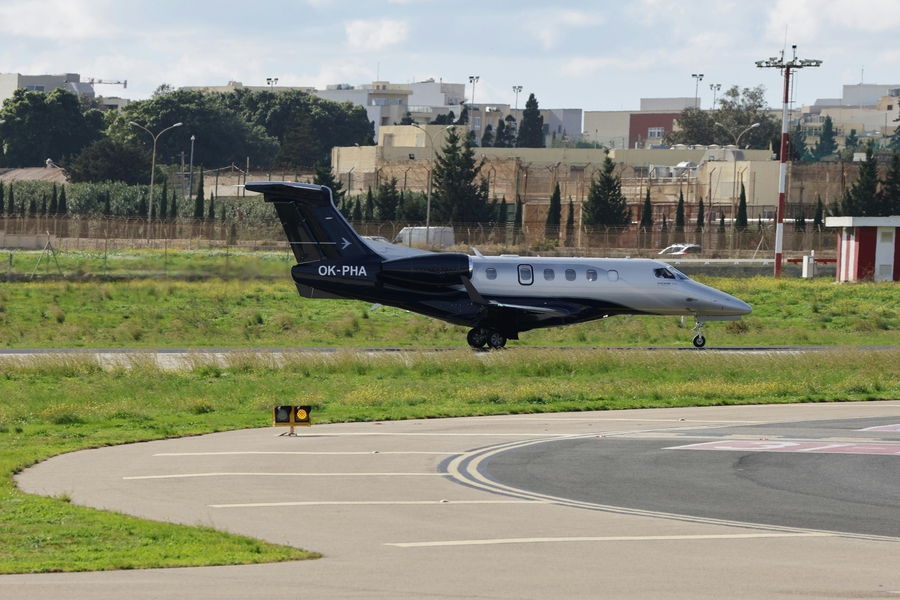
Owning a private jet is the ultimate symbol of luxury, offering unparalleled flexibility, privacy, and convenience. Yet, behind the prestige lies a significant financial commitment that extends far beyond the initial purchase price. From hidden operational costs and financing complexities to resale value considerations, navigating the financial landscape of private jet ownership can be daunting.
This guide will delve into the true cost of ownership, compare new and pre-owned jets, examine operational expenses, and highlight how to preserve your investment through strategic financing, compliance, and exit planning. By understanding these factors, you can confidently navigate the private aviation market while maximizing value and minimizing risks.
Choosing the Right Ownership Option
Private jet ownership isn’t a one-size-fits-all decision. The right option depends on your travel needs, budget, and long-term goals.
Full Ownership
Full ownership provides complete control over the aircraft, allowing you to customize it to your needs. New jets cost between $5 million and $80 million, while pre-owned options can start as low as $200,000. However, operational expenses like crew salaries, maintenance, insurance, and hangar fees can add $1 million to $5 million annually. The potential tax benefits of business use often make this option appealing to corporate buyers.
Chartering
For those who value flexibility and avoid long-term commitments, chartering offers a practical alternative. Hourly rates range from $2,000 to $10,000, depending on the jet’s size. This option eliminates ownership expenses, such as maintenance or hangar fees, while giving you access to different aircraft for various needs.
Fractional Ownership
Fractional ownership provides a middle ground between chartering and full ownership. Starting with a 1/16th share, buyers enjoy lower upfront costs and access to a fleet of jets. Monthly management fees cover pilot staffing, insurance, and maintenance, while hourly rates apply for actual flight time. Tax benefits like full ownership make this option attractive to frequent flyers who don’t need sole ownership.
New vs. Pre-Owned Jets: Balancing Costs and Value Retention
When buying a jet, deciding between new and pre-owned models significantly impacts upfront costs and long-term value.
New jets offer state-of-the-art technology and customization options, with price ranges varying by type:
- Very light jets: $3 million to $8 million.
- Midsize jets: $9 million to $25 million.
- Large jets: $25 million to $75 million.
However, new jets experience higher depreciation rates, losing around 20% of their value in the first five years. Additional costs for customization and certification can further increase the initial investment.
Pre-owned jets, on the other hand, provide significant cost savings. Older models can cost as little as $200,000, while recent pre-owned Gulfstream G650s are priced around $40 million. Although maintenance and potential upgrades to meet current standards add to the expense, pre-owned jets depreciate more slowly, preserving value over time.
Operational Costs: The Hidden Financial Burden
Beyond the purchase price, operational costs can quickly add up, making it essential to budget appropriately:
- Crew Salaries: A captain for a large jet like the Bombardier Global 7500 earns $292,958 to $369,325 annually, with co-pilots earning up to $198,697. Flight attendants and crew members earn between $50,000 and $100,000 annually.
- Hangar Fees: Costs vary by location, from $200 to $800 per month at rural airports to $1,000 to $3,000 in urban areas.
- Fuel Costs: With jet fuel averaging $5 to $7 per gallon, fluctuating prices can significantly impact budgets.
- Maintenance: Annual maintenance expenses range from $200,000 to $1 million, depending on the aircraft’s size and usage.
Proper planning ensures these costs don’t come as a surprise, preserving your financial stability.
Managing Depreciation and Resale Value
Depreciation is inevitable, but certain jets retain their value better than others. The Gulfstream G650 and Bombardier Global 7500, for example, depreciate about 20% over five years, thanks to their advanced features and high demand. Meanwhile, models like the Cessna Citation Longitude see steeper depreciation rates of around 25%.
To maximize resale value:
- Invest in upgrades, such as modern avionics and safety features.
- Maintain detailed maintenance records to build trust with potential buyers.
- Avoid over-customization, as standard interiors appeal to a broader market.
Financing Your Jet: Balancing Costs and Benefits
Financing adds complexity to jet ownership but provides opportunities to manage costs effectively:
- Interest Rates: Aviation loans range from 6.99% to 9.99%, influenced by the loan amount, borrower creditworthiness, and jet type.
- Loan Terms: Typical terms span 15 to 20 years.
- Tax Benefits:
- In the U.S., jets used for business qualify for 100% bonus depreciation in the first year under the Tax Cuts and Jobs Act.
- In the U.K., capital allowances allow deductions from taxable income for business-related jets.
Properly documenting business and personal use is essential to maximize tax benefits while avoiding penalties.
Regulatory and Compliance Costs
Compliance with aviation regulations is a non-negotiable aspect of private jet ownership:
- Registration and Certification: Fees vary based on jurisdiction.
- Permits for International Operations: Additional expenses apply for global travel.
- Upgrades and Modifications: Regular updates to meet regulatory standards can cost thousands—or even millions—over time.
Staying compliant ensures smooth operations and avoids legal and financial penalties.
Planning Your Exit Strategy
A strategic approach to resale is critical to minimizing financial losses:
- Market Timing: Selling during high demand increases resale value.
- Depreciation Recapture: Understand the tax implications of recapturing depreciation when selling the aircraft.
- Contractual Obligations: Review leases and financing agreements to avoid hidden liabilities.
Planning ahead ensures a seamless and financially sound transition out of ownership.
Stay Informed with AymanJets
Private jet ownership can be immensely rewarding, but it requires informed decisions and careful financial planning. From understanding operational costs to managing resale value, being proactive is essential. Visit AymanJets.com for expert insights and personalized guidance. Contact us today to make your private aviation journey seamless and rewarding.