Category: Costs and Financial Considerations

  • The True Cost of Training Private Jet Crews

    The True Cost of Training Private Jet Crews

    Aviation training is the backbone of safety, efficiency, and service excellence in private jet operations. Unlike commercial airlines, where standardized training is the norm, private jet operators require a more flexible, customized approach to meet the diverse needs of aircraft owners and charter companies. With increasing regulatory demands and advancements in aviation technology, maintaining high training standards is both a necessity and a significant financial investment.

    The Initial Investment: What It Takes to Become a Private Jet Pilot

    Becoming a private jet pilot requires significant upfront investment in education, licensing, and specialized certifications. A Commercial Pilot License (CPL), the first major milestone, costs between USD 70,000 and USD 150,000 depending on the country and flight school. However, private jet pilots often need additional type ratings to qualify for specific aircraft models.

    For example, Gulfstream offers type rating certification through FlightSafety International, with advanced training costing around USD 29,900. Bombardier’s pilot training, provided through CAE, varies in cost depending on the aircraft type and program specifics. In addition to type ratings, simulator training, which is mandatory for high-performance business jets, can cost between USD 500 and USD 1,000 per hour. Ground school fees and theoretical coursework add further expenses, often bundled into overall type rating programs.

    Ongoing Recurrent Training: Meeting Regulatory and Safety Standards

    Training does not end after obtaining a license. Private jet pilots must complete recurrent training, ensuring they remain proficient in aircraft operation, emergency procedures, and Crew Resource Management (CRM). These training sessions are mandatory at regular intervals—typically every six to twelve months.

    Unlike commercial airlines, where training follows rigid regulatory frameworks, private jet operators often have more flexibility in structuring recurrent training. However, international regulations still impose strict guidelines. For example, operators must comply with FAA, EASA, or ICAO training mandates, which may include:

    • Full-flight simulator checks.
    • Emergency and evacuation procedure drills.
    • CRM training tailored to smaller flight crews.
    • Specific operational training for remote and non-standard airports.

    The cost of recurrent training varies but typically ranges between USD 10,000 and USD 30,000 per pilot per year, factoring in simulator fees, instructor costs, and travel expenses for pilots attending off-site training centers.

    Advanced Training Technologies: Simulators, VR, and Beyond

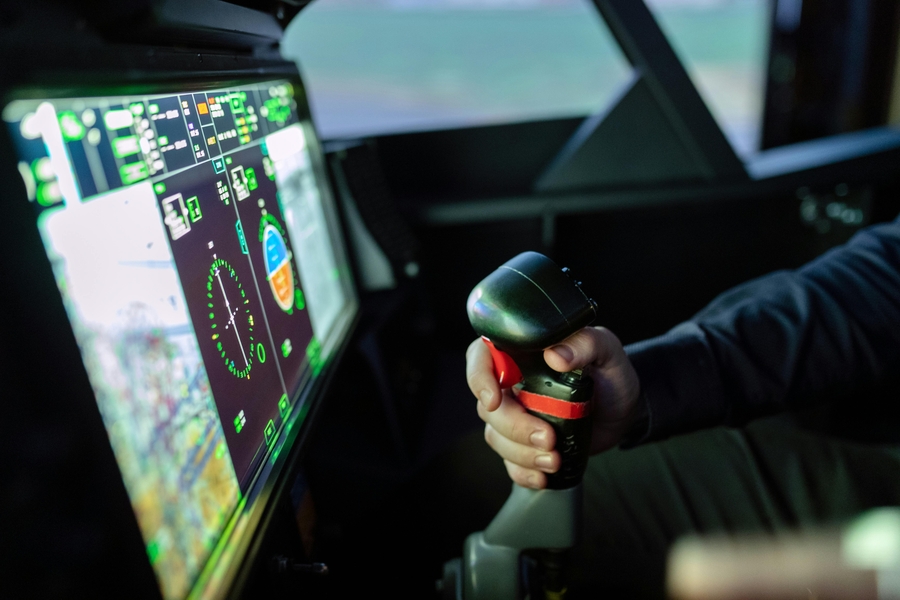
    Advancements in technology have transformed aviation training, particularly in the private jet sector. Modern training programs now incorporate full-motion flight simulators, virtual reality (VR) environments, and augmented reality (AR) tools. These technologies allow pilots to practice high-risk scenarios in a safe setting, enhancing their ability to respond to emergencies.

    However, these innovations come at a high cost. Developing and maintaining a Level D full-flight simulator, which replicates real-world flight conditions with incredible accuracy, can cost between USD 10 million and USD 20 million. Private jet operators often rely on third-party training providers like CAE and FlightSafety International to access these facilities, further adding to training expenses.

    Regulatory Compliance: The Cost of Staying Certified

    While private jet operators have more training flexibility than commercial airlines, they must still adhere to strict regulatory requirements. Compliance with FAA, EASA, and IATA standards requires continuous investment in training programs, instructor certification, and periodic audits.

    One of the biggest cost drivers is adapting to regulatory changes. New safety mandates, such as those concerning CRM or updated cockpit procedures, often require retraining pilots at significant expense. In some cases, compliance costs can reach USD 10,000 per pilot annually due to additional certification requirements and updated training materials.

    Training for Private Jet vs. Commercial Airline Pilots: Key Differences

    Private jet operators and commercial airlines follow distinct training models. While both emphasize safety and regulatory compliance, the differences lie in the training focus, environment, and operational demands.

    • Training Focus: Private jet pilots receive training tailored to their specific aircraft and operational needs, often covering multiple aircraft types and handling smaller, remote airports. Airline pilots, on the other hand, undergo highly standardized training for one aircraft type, ensuring uniformity across large fleets.
    • Regulatory Requirements: Private jet pilots may not always require an Airline Transport Pilot (ATP) license, whereas commercial airline pilots must obtain one and complete frequent recurrent training.
    • Crew Resource Management (CRM): CRM for private jet pilots is less formal and more adaptable, designed for smaller crew operations, while airline CRM emphasizes standardized coordination between multi-crew teams.
    • Maintenance Training: Private jet operators often rely on manufacturer-specific maintenance programs, whereas airlines follow comprehensive, fleet-wide maintenance training programs to ensure compliance across an entire airline’s operations.

    These differences impact training costs, with private jet operators bearing higher per-pilot costs due to the customization and variability of their training programs.

    Hidden Costs of Aviation Training

    Beyond the direct costs of training, private jet operators face hidden expenses that can significantly impact their budgets. One of the most substantial hidden costs is lost productive time—when pilots undergo training, they are not available for flights, leading to potential revenue losses for charter companies.

    Other hidden costs include:

    • Travel and accommodation expenses for pilots training at external facilities.
    • Insurance requirements, where insurers may demand additional certifications to cover high-risk flights.
    • Documentation and compliance costs, including record-keeping and regulatory filings.

    These costs can add thousands of dollars per pilot per year, further increasing the financial burden on private jet operators.

    Return on Investment: Why High-Quality Training Pays Off

    Despite the high costs, investing in top-tier training programs offers substantial long-term benefits. Private jet operators who prioritize rigorous training enjoy enhanced safety records, improved crew performance, and higher customer confidence.

    Safety statistics indicate that well-trained pilots significantly reduce the risk of accidents, leading to lower insurance premiums and fewer liability concerns. Additionally, a highly skilled crew improves operational efficiency, optimizing flight performance and minimizing fuel consumption. For high-net-worth clients and business executives who rely on private jets for time-sensitive travel, the assurance of a well-trained crew adds immense value.

    Conclusion: The High Stakes of Aviation Training

    Private jet training is an ongoing investment that directly impacts safety, efficiency, and customer satisfaction. With the cost of pilot training reaching tens of thousands of dollars annually per pilot, operators must balance the need for high standards with financial sustainability.

    For more insights into private aviation, aircraft operations, and training innovations, continue reading Ayman Jets.

  • Seasonal Pricing Trends in Private Jet Charters

    Seasonal Pricing Trends in Private Jet Charters

    Private jet charters offer unparalleled convenience and efficiency, but pricing can fluctuate significantly depending on the time of year, demand surges, and external market conditions. Understanding seasonal pricing trends allows travelers to optimize costs and secure the best possible rates without compromising on luxury or flexibility.

    From holiday peaks to off-season opportunities, this guide explores the factors that influence pricing and provides strategies to help travelers make informed booking decisions.

    When Demand Peaks: The Most Expensive Times to Fly

    Private jet charter rates tend to surge during the most in-demand travel periods. The holiday season, covering Thanksgiving, Christmas, and New Year, sees the highest price hikes, with aircraft often booked months in advance. Summer is another peak season, particularly in Europe and the U.S., where luxury travelers head to Mediterranean hotspots or coastal destinations. Additionally, major events such as the Super Bowl, Monaco Grand Prix, and Art Basel create temporary spikes in demand, leading to limited aircraft availability and inflated costs.

    A Case Study on Holiday Pricing

    During the 2023 holiday season, private jet charter prices to Aspen and the French Alps surged by 30-50% compared to mid-year rates. A Gulfstream G650 that typically costs USD 8,000 per hour saw its rate jump to USD 12,000 per hour, with limited availability. Travelers who booked by early October secured better deals, while last-minute bookings were subject to premium pricing or aircraft unavailability.

    A one-way charter flight from Los Angeles to Honolulu in December can cost around USD 30,000, but the same flight in March drops to approximately USD 22,000. Similarly, a London to Geneva charter peaks at USD 15,000 in December but declines to USD 10,000 in March. Short-haul flights also follow this trend; a Miami to Nassau charter in December might be USD 12,000, but in March, it reduces to USD 8,000. These fluctuations highlight the importance of strategic booking to optimize costs.

    Off-Peak Travel: When and Where to Find the Best Deals

    For cost-conscious travelers, off-peak travel seasons offer a significant advantage, with lower demand leading to more competitive pricing. January and February are among the quietest months for private jet travel, making it easier to find discounted rates. Similarly, the weeks between major vacation seasons, particularly in March, April, September, and October, often offer reduced rates.

    Empty-leg flights present another cost-saving opportunity. Operators frequently offer one-way discounted flights to reposition aircraft after peak travel days. These can provide savings of up to 75%, making private jet travel more affordable for those with flexible schedules. Recent examples show that a New York to Miami empty-leg flight could be available for USD 5,000, compared to the standard charter rate of USD 20,000. Similarly, a Los Angeles to Las Vegas empty-leg flight might cost just USD 2,000, a substantial discount from the usual USD 8,000. On European routes, a Paris to Nice empty-leg flight could be found for USD 3,500, compared to a full-rate charter at USD 14,000. These opportunities significantly reduce costs for travelers who can adapt to repositioning schedules.

    While off-peak months generally reduce charter costs, some destinations—such as the Maldives or Seychelles—may still see steady demand due to year-round appeal.

    The Growing Demand for Private Jet Travel

    The global private jet market experienced significant growth from 2020 to 2025. In 2020, it was valued at over USD 24 billion and is projected to reach nearly USD 37 billion by 2028. The COVID-19 pandemic played a crucial role in this growth, as many affluent individuals turned to private jets for safer and more flexible travel options. Demand surged significantly, with North America accounting for 64% of global business jet deliveries.

    The number of first-time private jet flyers has also increased significantly, particularly during the pandemic. For instance, FlyJetr reported that first-time private jet customers more than doubled their typical monthly volumes. Some private jet companies even recorded a 300% increase in new flyers year-over-year, driven by families, entrepreneurs, and executives seeking speed, convenience, and personalized travel options.

    Understanding Jet Pricing Differences

    Private jet pricing varies depending on the type of aircraft selected. Understanding these cost variations can help travelers make informed decisions beyond just seasonal factors.

    • Light Jets: New light jets typically cost between USD 5.75 million and USD 11.88 million, with an hourly charter rate ranging from USD 2,600 to USD 3,500. A one-hour trip in a light jet can cost around USD 4,000.
    • Mid-Size Jets: These jets cost between USD 11 million and USD 30 million, and hourly charter rates range from USD 4,500 to USD 7,500. A Bombardier Learjet 60XR, for instance, costs about USD 7,000 per hour to charter.
    • Heavy Jets: The most luxurious option, heavy jets cost between USD 25 million and USD 54 million. Charter rates range from USD 12,000 to USD 22,000 per hour, with an Airbus A319 costing around USD 20,000 per hour to charter.

    Choosing the right aircraft can significantly impact overall costs, making it essential to align jet selection with travel needs and budget.

    Exclusive Insights Await at AymanJets.com

    Understanding seasonal pricing trends is crucial for optimizing your private jet charter experience. Whether you’re looking for cost-saving strategies or luxury travel insights, AymanJets.com provides expert guidance on navigating the world of private aviation.

    Stay informed, stay ahead—explore our latest articles and discover the best ways to charter smarter.

  • Financial Pitfalls to Avoid When Buying a Private Jet

    Financial Pitfalls to Avoid When Buying a Private Jet

    Owning a private jet is the ultimate symbol of luxury, offering unparalleled flexibility, privacy, and convenience. Yet, behind the prestige lies a significant financial commitment that extends far beyond the initial purchase price. From hidden operational costs and financing complexities to resale value considerations, navigating the financial landscape of private jet ownership can be daunting.

    This guide will delve into the true cost of ownership, compare new and pre-owned jets, examine operational expenses, and highlight how to preserve your investment through strategic financing, compliance, and exit planning. By understanding these factors, you can confidently navigate the private aviation market while maximizing value and minimizing risks.

    Choosing the Right Ownership Option

    Private jet ownership isn’t a one-size-fits-all decision. The right option depends on your travel needs, budget, and long-term goals.

    Full Ownership

    Full ownership provides complete control over the aircraft, allowing you to customize it to your needs. New jets cost between $5 million and $80 million, while pre-owned options can start as low as $200,000. However, operational expenses like crew salaries, maintenance, insurance, and hangar fees can add $1 million to $5 million annually. The potential tax benefits of business use often make this option appealing to corporate buyers.

    Chartering

    For those who value flexibility and avoid long-term commitments, chartering offers a practical alternative. Hourly rates range from $2,000 to $10,000, depending on the jet’s size. This option eliminates ownership expenses, such as maintenance or hangar fees, while giving you access to different aircraft for various needs.

    Fractional Ownership

    Fractional ownership provides a middle ground between chartering and full ownership. Starting with a 1/16th share, buyers enjoy lower upfront costs and access to a fleet of jets. Monthly management fees cover pilot staffing, insurance, and maintenance, while hourly rates apply for actual flight time. Tax benefits like full ownership make this option attractive to frequent flyers who don’t need sole ownership.

    New vs. Pre-Owned Jets: Balancing Costs and Value Retention

    When buying a jet, deciding between new and pre-owned models significantly impacts upfront costs and long-term value.

    New jets offer state-of-the-art technology and customization options, with price ranges varying by type:

    • Very light jets: $3 million to $8 million.
    • Midsize jets: $9 million to $25 million.
    • Large jets: $25 million to $75 million.

    However, new jets experience higher depreciation rates, losing around 20% of their value in the first five years. Additional costs for customization and certification can further increase the initial investment.

    Pre-owned jets, on the other hand, provide significant cost savings. Older models can cost as little as $200,000, while recent pre-owned Gulfstream G650s are priced around $40 million. Although maintenance and potential upgrades to meet current standards add to the expense, pre-owned jets depreciate more slowly, preserving value over time.

    Operational Costs: The Hidden Financial Burden

    Beyond the purchase price, operational costs can quickly add up, making it essential to budget appropriately:

    • Crew Salaries: A captain for a large jet like the Bombardier Global 7500 earns $292,958 to $369,325 annually, with co-pilots earning up to $198,697. Flight attendants and crew members earn between $50,000 and $100,000 annually.
    • Hangar Fees: Costs vary by location, from $200 to $800 per month at rural airports to $1,000 to $3,000 in urban areas.
    • Fuel Costs: With jet fuel averaging $5 to $7 per gallon, fluctuating prices can significantly impact budgets.
    • Maintenance: Annual maintenance expenses range from $200,000 to $1 million, depending on the aircraft’s size and usage.

    Proper planning ensures these costs don’t come as a surprise, preserving your financial stability.

    Managing Depreciation and Resale Value

    Depreciation is inevitable, but certain jets retain their value better than others. The Gulfstream G650 and Bombardier Global 7500, for example, depreciate about 20% over five years, thanks to their advanced features and high demand. Meanwhile, models like the Cessna Citation Longitude see steeper depreciation rates of around 25%.

    To maximize resale value:

    • Invest in upgrades, such as modern avionics and safety features.
    • Maintain detailed maintenance records to build trust with potential buyers.
    • Avoid over-customization, as standard interiors appeal to a broader market.

    Financing Your Jet: Balancing Costs and Benefits

    Financing adds complexity to jet ownership but provides opportunities to manage costs effectively:

    • Interest Rates: Aviation loans range from 6.99% to 9.99%, influenced by the loan amount, borrower creditworthiness, and jet type.
    • Loan Terms: Typical terms span 15 to 20 years.
    • Tax Benefits:
      • In the U.S., jets used for business qualify for 100% bonus depreciation in the first year under the Tax Cuts and Jobs Act.
      • In the U.K., capital allowances allow deductions from taxable income for business-related jets.

    Properly documenting business and personal use is essential to maximize tax benefits while avoiding penalties.

    Regulatory and Compliance Costs

    Compliance with aviation regulations is a non-negotiable aspect of private jet ownership:

    • Registration and Certification: Fees vary based on jurisdiction.
    • Permits for International Operations: Additional expenses apply for global travel.
    • Upgrades and Modifications: Regular updates to meet regulatory standards can cost thousands—or even millions—over time.

    Staying compliant ensures smooth operations and avoids legal and financial penalties.

    Planning Your Exit Strategy

    A strategic approach to resale is critical to minimizing financial losses:

    • Market Timing: Selling during high demand increases resale value.
    • Depreciation Recapture: Understand the tax implications of recapturing depreciation when selling the aircraft.
    • Contractual Obligations: Review leases and financing agreements to avoid hidden liabilities.

    Planning ahead ensures a seamless and financially sound transition out of ownership.

    Stay Informed with AymanJets

    Private jet ownership can be immensely rewarding, but it requires informed decisions and careful financial planning. From understanding operational costs to managing resale value, being proactive is essential. Visit AymanJets.com for expert insights and personalized guidance. Contact us today to make your private aviation journey seamless and rewarding.

  • Navigating the Complexities of Airport Access for Private Jet Travelers

    Navigating the Complexities of Airport Access for Private Jet Travelers

    Accessing airports as a private jet traveler comes with a host of considerations, especially when it comes to fees. From landing costs to operational surcharges, understanding these expenses is essential to avoid unexpected charges and manage overall travel budgets effectively. These hidden fees can significantly impact your travel experience, making it crucial to delve deeper into their structures and mitigation strategies.

    Decoding Landing Fees: What Influences Costs

    Landing fees are one of the most common expenses private jet travelers encounter. These fees vary depending on several factors:

    • Weight-Based Pricing: Heavier aircraft incur higher landing fees due to the increased demand for airport infrastructure. For instance, at Teterboro Airport (TEB) in New Jersey:
      • Less than 10,000 lbs: $500–$700.
      • Over 50,000 lbs: $2,000–$2,500. At Van Nuys Airport (VNY) in California:
      • Less than 10,000 lbs: $300–$500.
      • Over 50,000 lbs: $1,600–$2,000.
    • Airport-Specific Variations: Different airports impose unique pricing models. At London Luton Airport (LTN), landing fees range from £1,000 to £3,000, influenced by size and peak hours. Similarly, at Le Bourget Airport (LBG) in Paris, fees range from €800 to €2,500, depending on the aircraft’s weight.
    • Peak Time Surcharges: Arrivals or departures during high-demand periods can lead to additional fees. At Singapore Changi Airport (SIN), peak time landing fees for large jets reach up to SGD 3,500.

    Parking and Hangar Costs: Planning for Ground Time

    Whether it’s a short stopover or extended ground time, parking and hangar costs add another layer of complexity:

    • Overnight Parking Rates: At Teterboro Airport (TEB):
      • Small Jets: $200–$400 per night.
      • Large Jets: $600–$1,000 per night. At Van Nuys Airport (VNY):
      • Small Jets: $150–$300 per night.
      • Large Jets: $500–$800 per night.
    • Short-Term vs. Long-Term Storage: Short-term rates are often lower but can escalate for long-term stays. At Le Bourget Airport (LBG), parking costs for large jets reach €1,000 per night.
    • Hangar Rental Fees: Climate-controlled hangars are available at a premium. For example, at Singapore Changi Airport (SIN), hangar storage fees for large jets are SGD 600–SGD 1,000 per night.

    Ground Handling Charges: Ensuring Seamless Operations

    Ground handling services are indispensable for private jet travel, but they come at a price. Common charges include:

    • Fuel Handling Fees: Range from $100–$500 depending on the volume required.
    • Passenger Services: Services like luggage assistance cost $150–$300.
    • Aircraft Servicing Costs: Routine checks and maintenance add $200–$600 per visit.
    • Mandatory Ground Support: Some airports, like Van Nuys (VNY), require specific services, which are billed separately.

    Airport Facility Fees: Beyond the Runway

    The use of airport facilities comes with additional charges that private jet travelers must consider:

    • Terminal Access Costs: Premium terminal charges at hubs like London Luton (LTN) range from $200–$500 per use.
    • Security Screening: Private security services cost $100–$300 per screening.
    • Customs and Immigration Processing: Expedited services, such as those at Singapore Changi (SIN), range from $150–$400.
    • Infrastructure Levies: The general upkeep of airport facilities is partially funded through these charges.

    Operational Surcharges: The Fine Print of Flexibility

    Flexibility is a hallmark of private jet travel, but operational surcharges can offset its convenience:

    • Peak Season Pricing: Higher demand during holidays drives up costs. For instance, landing fees at Teterboro (TEB) increase by 20–30% during peak seasons.
    • Extended Hours Fees: Flying outside regular hours often requires additional payments of $200–$500 per hour.
    • Special Request Charges: Custom services, such as catering or priority handling, incur extra fees.
    • Navigation and Air Traffic Control Fees: These charges reflect the cost of ensuring safe passage through controlled airspace.

    Regional and International Fee Variations

    Airport fee structures differ significantly across regions and countries, creating additional considerations for international travelers:

    • Country-Specific Models: For example, Le Bourget (LBG) in France charges higher landing fees compared to smaller airports in Southern Europe.
    • Bilateral Airport Agreements: Collaborative agreements between countries may influence pricing for international flights.
    • Taxation Complexities: Variations in tax rates add another layer of cost to international operations.
    • Emerging Market Challenges: Developing regions may impose higher fees due to limited infrastructure or growing demand, as seen in parts of Africa and Southeast Asia.

    Strategies to Mitigate Costs

    While fees are an inherent part of private jet travel, strategic planning can help minimize their impact:

    • Membership Programs: Joining jet card programs often provides fee discounts.
    • Advanced Booking Discounts: Early scheduling can secure lower rates for landing, parking, and handling.
    • Negotiating Fee Structures: Engaging with Fixed Base Operators (FBOs) to negotiate costs can yield savings.
    • Alternative Airport Selection: Using less congested airports nearby can reduce fees and save time. For instance, choosing Farnborough Airport over London Heathrow can cut costs by up to 30%.

    Optimize Your Private Jet Travel Experience

    Managing airport fees is an integral part of private jet travel, but it doesn’t have to be overwhelming. With strategic planning and a clear understanding of the various charges, travelers can optimize their journeys for both comfort and cost-efficiency. For more tips on private jet travel and industry insights, visit Aymanjets.com and elevate your travel experience.

  • How Fluctuating Fuel Prices Shape Private Jet Costs

    How Fluctuating Fuel Prices Shape Private Jet Costs

    Fuel costs are a significant factor in private aviation, shaping the operating expenses and overall affordability of flying private. Over the past decade, fuel prices have experienced significant fluctuations due to various factors such as geopolitical tensions, supply and demand dynamics, economic conditions, and environmental policies. Here are some key trends:

    • 2010-2013: Following the global financial crisis, fuel prices were volatile but gradually rose as global economic conditions improved.
    • 2014-2016: The shale revolution in the U.S. led to a surge in domestic oil production, resulting in an oversupply of crude oil and a significant decline in fuel prices.
    • 2017-2019: OPEC production cuts and geopolitical tensions contributed to a gradual recovery in fuel prices.
    • 2020-2021: The COVID-19 pandemic caused an unprecedented decline in fuel prices due to reduced demand.
    • 2022-2024: Fuel prices rebounded sharply due to inflationary pressures and geopolitical events like the war in Ukraine.

    These fluctuations have made long-term planning for private jet operations more complex, with a significant focus on fuel efficiency to manage costs.

    Demystifying Aviation Fuel Basics

    Exploring Jet Fuel Types

    Private jets primarily rely on Jet A and Jet A-1 fuel. These fuels differ from commercial aviation fuel in terms of specifications and quality standards, ensuring high performance under varying conditions. Adherence to rigorous quality benchmarks is critical to safety and efficiency.

    Breaking Down Fuel Price Components

    Fuel prices consist of several elements, including base commodity costs, refining costs, transportation and storage, regional variations, and taxes and surcharges. These components collectively determine the final price paid by operators.

    The Ripple Effect on Operating Costs

    Direct Impacts of Fuel Prices

    Fuel accounts for a significant portion of private jet operating costs. It affects key metrics such as cost per flight hour, range limitations, and payload capabilities. The percentage of operating costs attributed to fuel varies by jet category:

    • Light Jets: Fuel costs typically account for about 30-40% of the total operating costs.
    • Midsize Jets: Fuel costs can range from 35-45% of the total operating costs.
    • Heavy Jets: Fuel costs are generally higher, accounting for 40-50% of the total operating costs.

    Variable Cost Elements to Consider

    Factors influencing fuel expenses include:

    • Flight distance: Short-haul versus long-haul routes.
    • Aircraft type: Larger jets generally consume more fuel.
    • Regional pricing disparities: Some airports charge higher rates than others.
    • Seasonal fluctuations: Demand surges during peak travel periods.

    Global Factors Driving Fuel Price Changes

    Fuel price volatility is often linked to geopolitical tensions disrupting supply chains, trends in the global oil market, currency fluctuations affecting international trade, and supply chain disruptions from natural disasters or conflicts.

    Regional Nuances in Pricing

    Local factors, such as competition among suppliers, FBO (Fixed Base Operator) pricing strategies, and regulatory frameworks, also play a crucial role. Geographic locations can significantly impact availability and cost.

    Effective Strategies for Managing Fuel Costs

    Optimizing Fuel Planning

    Proactive fuel planning helps mitigate costs through measures like tinkering decisions (refueling at locations with lower prices), route optimization, fuel stop planning, and weight management to improve fuel efficiency.

    Leveraging Pricing Programs

    Many operators turn to pricing programs, including contract fuel arrangements, bulk purchase agreements, fuel cards offering discounts, and hedging strategies to lock in stable fuel prices.

    Aircraft-Specific Considerations

    Evaluating Fuel Efficiency by Aircraft Type

    Different aircraft categories have varying fuel efficiencies. Light jets are cost-effective for shorter trips, midsize jets balance cost and range, heavy jets offer long-range capabilities at higher costs, and ultra-long-range jets are designed for intercontinental flights, often with advanced fuel-saving technologies.

    Embracing Technological Advancements

    Modern technologies have significantly enhanced fuel efficiency through aerodynamic designs to reduce drag, advanced engine technologies, flight management systems enabling precise route planning, and emerging innovations like hybrid engines and sustainable aviation fuels.

    Timelines and Expected Milestones for Electric and Hybrid Private Jets

    The development and adoption of electric and hybrid private jets are progressing rapidly. By 2025, the Federal Aviation Administration (FAA) expects the first electric vertical takeoff and landing (eVTOL) aircraft to enter commercial service, with companies like Joby Aviation and Archer Aviation leading the way. Between 2025 and 2028, this phase will expand operations from existing airports and heliports equipped with charging stations. By 2028, the FAA anticipates a significant number of electric air taxis and aircraft to be operational, supported by specialized “vertiports” to expand networks.

    Targeting jet operators and charter customers, these advancements hold immense potential to reshape private aviation by offering environmentally friendly and cost-efficient options. For charter customers, the reduced operating costs of electric jets can translate into more competitive pricing. Meanwhile, jet operators can benefit from decreased fuel dependency and access to new markets by prioritizing sustainability.

    Elevate Your Understanding of Private Aviation

    Fluctuating fuel prices will continue to shape the economics of private jet travel. Staying informed and adopting proactive strategies can help operators and owners navigate these challenges effectively. Explore more insights and strategies for managing private jet costs at aymanjets.com.

  • The Art of Flying: Exclusive Amenities on Private Jets

    The Art of Flying: Exclusive Amenities on Private Jets

    Private jet travel has long been synonymous with exclusivity and comfort, but today’s offerings have reached unparalleled heights. As luxury aviation continues to evolve, the demand for exceptional in-flight experiences has transformed private jets into flying sanctuaries of opulence. These advancements cater to discerning travelers seeking convenience and a bespoke journey where every detail exceeds expectations.

    Luxury jets are no longer just modes of transportation; they are destinations in themselves. Innovations in design, wellness, and technology are shaping the future of ultra-luxury aviation, ensuring that the sky is the limit.

    Elevated Living Spaces for Unmatched Comfort

    Private jets now rival the world’s finest penthouses, offering spaces meticulously designed for ultimate relaxation and productivity. Master suites provide a private retreat with rainfall showers and high-end amenities that rival luxury hotels, ensuring a rejuvenating experience above the clouds. Adjacent to these tranquil spaces, private offices cater to professionals seeking uninterrupted focus, equipped with advanced communication tools and soundproofing for seamless productivity.

    Traveling with family or colleagues becomes a tailored experience with multi-living zones that offer versatility and privacy. Plush lounges provide an inviting space for relaxation, while separate meeting rooms accommodate focused discussions or celebrations. Spacious walk-in closets allow passengers to keep their wardrobes ready for any occasion, and private staff quarters ensure exceptional service without compromising privacy.

    Immersive Entertainment for Every Taste

    Entertainment onboard private jets transforms the journey into a dynamic and personalized experience. Theater rooms equipped with cutting-edge projection systems and surround sound deliver cinematic brilliance, turning the cabin into a private cinema. For those seeking adventure, gaming zones, and virtual reality setups provide interactive fun, creating memorable moments during long-haul flights.

    Seamless connectivity adds to the experience. High-speed internet supports live streaming, keeping passengers connected to real-time events, while multi-room audio systems let each traveler enjoy personalized playlists. These features redefine leisure, ensuring that entertainment options cater to diverse preferences and elevate the overall journey.

    Gourmet Dining at Altitude

    Dining aboard a private jet elevates culinary experiences to new heights. Professional-grade kitchens onboard enable private chefs to prepare gourmet meals tailored to each passenger’s preferences, transforming every meal into a bespoke occasion. Wine cellars preserve fine vintages, while barista-grade coffee stations offer artisanal brews to accompany each dish.

    The ambiance enhances the dining experience further. Elegant table settings featuring custom china, crystal, and silverware create a sophisticated atmosphere for intimate dinners or larger gatherings. With flexible dining spaces designed to suit any occasion, the sky becomes the ultimate venue for indulgent gastronomy.

    Wellness in the Clouds

    Health and relaxation are at the forefront of today’s luxury aviation. Dedicated spa areas, complete with massage tables and steam rooms, offer passengers the opportunity to rejuvenate during their journey. For fitness enthusiasts, compact exercise zones and yoga spaces ensure wellness routines can continue uninterrupted, even at cruising altitude.

    Advanced cabin features contribute to overall well-being. Humidification systems and air purifiers maintain optimal air quality, while meditation zones provide serene environments for mindfulness. Together, these wellness amenities create a holistic approach to luxury travel, ensuring passengers arrive at their destinations refreshed and revitalized.

    Cutting-Edge Technology for Seamless Travel

    Private jets seamlessly integrate technology to enhance both comfort and functionality. Smart cabin management systems allow passengers to control lighting, temperature, and entertainment effortlessly, adapting the environment to personal preferences. High-speed satellite internet ensures uninterrupted connectivity, whether for work or leisure.

    Noise cancellation technology creates a tranquil atmosphere, allowing travelers to relax or focus in peace. Business travelers benefit from secure communication systems that enable virtual meetings and data sharing, ensuring professional obligations are met without compromise. These advancements exemplify how technology enriches the private jet experience.

    Artistry and Craftsmanship in Design

    The interiors of luxury jets showcase an unparalleled commitment to artistry and craftsmanship. Every detail reflects thoughtful design, from bespoke furniture collections to custom artwork that adorns the cabin walls. Rare woods, precious metals, and handcrafted finishes create an ambiance of refined elegance, blending functionality with aesthetics.

    Luxurious textiles, such as plush carpeting and intricately tailored drapery, add warmth and sophistication to the space. These design elements transform the cabin into more than just a mode of travel; they make it a masterpiece of style and comfort.

    Specialty Amenities for Unique Experiences

    Private jets go beyond traditional luxury, offering amenities that cater to unique lifestyles. Pet accommodations ensure that furry companions travel in comfort, complete with spaces tailored to their needs. Families benefit from dedicated play zones for children, keeping younger passengers entertained throughout the journey.

    Specialized areas, such as cigar lounges equipped with advanced ventilation systems, provide refined spaces for relaxation while wine-tasting areas offer curated experiences for connoisseurs. These amenities reflect the versatility and personalization that define the pinnacle of private jet luxury.

    A Glimpse into the Future of Luxury Aviation

    The future of private jets is defined by sustainability and technological innovation. Sustainability is at the forefront, with eco-friendly materials such as recycled carbon fiber, bamboo, cork, and vegan leather being increasingly used in jet interiors. Additionally, sustainable aviation fuels (SAF) are revolutionizing the industry, capable of reducing carbon emissions by up to 94%. With key players like Airbus and NASA, hybrid-electric jets are expected to enter the market by the 2030s, offering even more eco-conscious options for private aviation.

    Technological innovations are shaping the next era of private aviation. AI-driven systems personalize climate control, enhance in-flight entertainment, and enable predictive maintenance, ensuring optimal safety and comfort. Satellite internet services, such as SpaceX’s Starlink, provide high-speed connectivity with low latency, making it easier for passengers to stay connected during flights. Health monitoring technologies, like the SPYDR device, further enhance wellness by tracking real-time metrics such as heart rate and oxygen levels.

    Interior design trends include modular layouts that allow for reconfigurable spaces, catering to different passenger needs. Biophilic designs incorporating greenery and natural light simulate a calming environment, while augmented reality offers interactive entertainment and immersive presentations. These trends reflect a growing focus on adaptability and passenger well-being.

    Customization trends highlight the increasing demand for hyper-personalization. Jets are tailored to reflect individual or corporate branding. Seasonal interior adjustments and cultural influences, such as Middle Eastern or Asian design elements, further personalize the flying experience.

    Economic and market trends show shifts in client demographics, with younger, tech-savvy individuals entering the private aviation market. Emerging markets in Asia-Pacific and the Middle East are driving demand, while advancements in sustainability and technology are anticipated to increase upfront costs but provide long-term savings.

    Regulatory changes are also influencing design and operations. Stricter emission standards and noise regulations are pushing for innovations in quieter, more efficient engines, while premium airport infrastructure continues to evolve to cater to private aviation needs.

    Next-generation experiences promise relaxation pods for sleep and meditation, virtual reality for immersive entertainment, and AI-driven concierge services to manage real-time travel adjustments. These advancements are redefining what it means to travel in ultimate luxury.

    Beyond Luxury: Considering Costs and Value

    While the amenities of private jets are extraordinary, they require significant investment. Maintenance costs vary depending on the aircraft size, with annual expenses ranging from $200,000 to $500,000 for light jets, $400,000 to $1 million for midsize jets, and $1 million to $3 million for large-cabin jets. Advanced features, such as entertainment systems, can add up to $100,000 annually for maintenance and upgrades, while spa amenities may cost an additional $50,000 to $200,000. Regulatory inspections further contribute to these costs, with annual checks costing $10,000 to $100,000 and major inspections exceeding $1 million.

    Operating expenses include fuel, which varies based on jet size. Light jets consume 60-200 gallons per hour, while large jets require 300-500 gallons, with costs fluctuating according to market conditions. Crew salaries are another factor, ranging from $70,000 to $200,000 annually for pilots and $50,000 to $100,000 for flight attendants. Additional costs such as hangar fees, which can reach $200,000 annually, and landing charges, particularly at premium destinations, also add to the financial commitment.

    Insurance costs depend on the aircraft type and coverage. Hull insurance and liability insurance are common, with combined premiums ranging from $30,000 annually for light jets to $200,000 for large jets. Depreciation is another consideration, with private jets losing up to 15% of their value in the first year and 5-7% annually thereafter. High-quality customizations can enhance resale value, while overly personalized designs may reduce market appeal.

    Despite these costs, the ROI for businesses using private jets is significant. Time savings, such as avoiding commercial flight schedules and reducing travel duration, enhance productivity. Executives can conduct additional meetings and respond more quickly to market opportunities while client-facing activities on private jets leave lasting impressions and strengthen relationships. For high-frequency travelers and corporations, private aviation becomes a strategic investment that delivers efficiency, exclusivity, and unparalleled convenience.

    For instance, a multinational company reported a 30% increase in client satisfaction by incorporating private aviation for executive travel, enabling more personalized engagements and quicker response times. Another corporation found that the ability to visit multiple markets in a single day increased operational efficiency by 25%, justifying the investment in a midsize private jet.

    Experience the Pinnacle of Aviation Excellence

    Luxury private jets redefine the art of travel, offering an unmatched blend of comfort, functionality, and exclusivity. With every feature designed to enhance the journey, private aviation remains the ultimate choice for those who value time, privacy, and personalization.

    Discover more insights into private aviation and luxury travel. For inspiration and expert tips, explore articles like “Maximizing Comfort on Long-Haul Private Jet Flights” and “The Ultimate Guide to Private Jet Etiquette” at aymanjets.com.

    Email us today for business inquiries.

  • The Financial Realities of Fractional Jet Ownership: A Comprehensive Guide

    The Financial Realities of Fractional Jet Ownership: A Comprehensive Guide

    Private aviation has seen a surge in interest, driven by a desire for convenience, flexibility, and enhanced safety. Among the various options available, fractional jet ownership has emerged as a compelling alternative for frequent flyers seeking a balance between full ownership and on-demand charters. This model allows individuals or businesses to purchase a share of an aircraft, offering access to private aviation without the extensive responsibilities of sole ownership.

    The first half of 2024 saw significant growth in the fractional aviation sector, with operators like NetJets and Flexjet driving the momentum. NetJets experienced an 8.8% rise in flight hours, while Flexjet achieved a remarkable 15.7% increase. This surge contributed to nearly 700,000 business jet sectors flown in 2024, marking the highest activity levels in five years. NetJets captured over two-thirds of the US fractional market share, with Flexjet holding a quarter, further solidifying their industry leadership.

    How Fractional Jet Ownership Works

    Fractional jet ownership operates as a shared model where participants purchase a percentage of an aircraft—ranging from one-sixteenth to half of the total ownership. This share entitles owners to a proportional number of flying hours annually. Operators such as NetJets and Flexjet manage the aircraft, handling everything from maintenance to crew logistics. Contracts typically span three to five years, with options for renewal or exit.

    Different share sizes cater to various flying needs. For instance, a one-sixteenth share may provide 50 flight hours annually, while larger shares offer significantly more. This dominance highlights the concentration of market activity among major players, emphasizing their role in shaping the future of fractional jet ownership.

    Breaking Down the Costs

    Understanding the financial commitments of fractional ownership is crucial. The initial acquisition cost represents a significant upfront investment, which varies depending on the aircraft model and share size. Monthly management fees cover fixed costs like maintenance, storage, and insurance. Hourly operating rates are incurred during flights, encompassing fuel and crew expenses. Additional charges, such as peak travel day surcharges, may also apply.

    For instance, fractional ownership shares typically depreciate at rates ranging from 5% to 10% annually. Over five years, a share purchased for $750,000 may depreciate to approximately $562,500. Consolidating these costs provides a clearer understanding of the long-term financial impact of fractional ownership.

    Evaluating Alternatives to Fractional Ownership

    While fractional jet ownership offers convenience, other private aviation options may suit different needs. Whole aircraft ownership provides unmatched flexibility but is only viable for those flying over 400 hours annually due to high costs. Jet cards, which operate on a prepaid model, work well for those flying between 25 and 50 hours per year. On-demand charter services allow for maximum flexibility and are ideal for occasional travelers. For those who don’t require private aviation’s exclusivity, first-class commercial travel remains a cost-effective alternative.

    To put the costs into perspective, consider a typical usage scenario of 100 hours per year:

    • Fractional Ownership: Initial investment of $750,000, annual costs of $408,000, and a cost per hour of $4,080.
    • Jet Cards: No initial investment, annual costs of $500,000, and a cost per hour of $5,000.
    • On-Demand Charters: No initial investment, annual costs of $600,000, and a cost per hour of $6,000.

    These comparisons illustrate how fractional ownership can offer better value for frequent flyers compared to other options.

    Advantages of Choosing Fractional Ownership

    The benefits of fractional jet ownership are substantial. Owners enjoy guaranteed availability, even during peak travel periods. The operator’s fleet often comprises newer aircraft, ensuring reliability and comfort. Maintenance responsibilities are managed entirely by the provider, removing logistical burdens. Additionally, consistent service standards enhance the overall experience. For some, there may also be potential tax benefits and depreciation advantages depending on jurisdiction.

    Drawbacks to Keep in Mind

    Despite its benefits, fractional ownership has its limitations. The financial commitment can be significant, with upfront and recurring costs that may not align with all budgets. The aircraft choices are limited to the provider’s fleet, which could be a drawback for those with specific preferences. Availability during high-demand periods, such as holidays, might be restricted due to peak-day policies. Additionally, contracts can be complex, requiring thorough review and understanding. Lastly, underutilization of flight hours can lead to wasted resources, making it essential to evaluate your travel needs carefully.

    Is Fractional Ownership Right for You?

    The suitability of fractional ownership depends on factors like annual flying hours and travel purposes. Frequent flyers logging between 50 and 400 hours per year often find this model cost-effective. Business travelers with predictable schedules benefit from the guaranteed availability and efficiency of fractional ownership. Geographic considerations, such as proximity to base airports, play a role in determining feasibility. For some, the model offers a blend of lifestyle enhancement and financial planning, particularly as part of a diversified investment portfolio.

    Making an Informed Decision

    Before committing to fractional ownership, it’s essential to assess your travel patterns and analyze costs across all options. Scrutinizing contract terms for flexibility, exit provisions, and hidden fees is critical. Asking pointed questions about peak day policies, maintenance standards, and cost structures helps clarify expectations. Engaging aviation consultants provides additional expertise, ensuring that you make a decision tailored to your unique circumstances.

    Explore More on AymanJets.com

    Ready to dive deeper into private aviation options? Discover how fractional ownership compares to other alternatives by exploring these articles on AymanJets.com:

  • Top Cost-Saving Strategies for Private Jet Owners

    Top Cost-Saving Strategies for Private Jet Owners

    Owning a private jet offers unparalleled convenience, luxury, and efficiency, but it also comes with significant costs. For private jet owners, maximizing value while minimizing expenses is essential to sustaining this mode of travel.

    Operational Efficiency

    Fleet Optimization: Making Every Flight Count

    Choosing the right aircraft for your mission profile is a cornerstone of cost efficiency. Aligning aircraft capabilities with travel needs ensures no resources are wasted on underutilized or oversized jets. For instance, strategic replacement of aging jets with newer, fuel-efficient models can significantly reduce long-term operating costs. Additionally, maintaining a flexible fleet that meets both current and projected needs ensures you’re always prepared without overspending.

    Flight Planning & Operations: Flying Smarter, Not Harder

    Optimizing flight routes saves both time and fuel. Advanced weather routing systems and fuel tankering strategies—where fuel is purchased in bulk at lower-cost locations—can reduce costs dramatically. Moreover, utilizing empty-leg flights, either through sharing networks or chartering out unused capacity, turns potential losses into savings or even revenue.

    Crew Management: Balancing Expertise and Efficiency

    Efficient crew scheduling reduces idle time and travel expenses for personnel. Cross-training pilots and cabin crew adds operational flexibility while minimizing redundancy. Additionally, positioning crew bases closer to frequent destinations can save on accommodation and travel expenses.

    Financial Optimization

    Ownership Structure: Tax and Asset Efficiency

    The way you own your jet has a significant impact on costs. Establishing ownership through an LLC or similar structure can provide tax benefits and liability protection. Optimizing depreciation through strategic accounting practices ensures you extract maximum financial advantage from your asset.

    Revenue Generation: Monetizing Idle Capacity

    Consider chartering your jet during downtime or joining fractional ownership programs to share costs and generate revenue. Monetizing empty legs by listing them with reputable brokers or creating partnership arrangements with other operators can further offset expenses.

    Insurance Optimization: Reducing Premiums Without Compromising Coverage

    Reviewing fleet policies annually can help identify opportunities for savings through volume discounts. Highlighting strong safety records during negotiations with insurers can also secure lower premiums. Risk management programs tailored to your operational profile ensure optimal coverage at a minimal cost.

    Maintenance & Asset Management

    Preventive Maintenance: An Ounce of Prevention Saves Thousands

    Scheduling maintenance strategically reduces unexpected downtimes and costly repairs. Partnering with OEM (Original Equipment Manufacturer) service programs and implementing reliability-based programs help maintain optimal performance while controlling expenses. Managing a well-organized parts inventory ensures availability and avoids expensive last-minute orders.

    Vendor Management: Building Strategic Partnerships

    Long-term vendor relationships often come with benefits like preferred rates and volume discounts. By negotiating favorable terms and leveraging international repair facility networks, jet owners can achieve significant cost savings on maintenance and repair services.

    Technology Integration: Staying Ahead with Innovation

    Modern maintenance tracking software provides real-time updates, while predictive analytics can anticipate issues before they arise. Digital documentation systems streamline administrative processes, saving both time and money.

    Operational Support Cost Reduction

    Ground Operations: Maximizing Value at Every Stop

    Optimizing contracts with Fixed Base Operators (FBOs) and strategically negotiating hangar leases ensure competitive rates. Regular audits of ground equipment management can eliminate inefficiencies and reduce operational expenses.

    Fuel Management: Smarter Fuel Purchasing

    Fuel is one of the largest operational expenses. Joining contract fuel programs or utilizing fuel cards helps secure lower prices. Analyzing alternative airports with lower refueling costs can also lead to considerable savings without compromising convenience.

    Administrative Efficiency: Leveraging Technology

    Investing in digital solutions like automated compliance systems and back-office tools minimizes administrative overhead. Streamlining processes ensures resources are focused on operational priorities, not paperwork.

    Long-term Strategic Planning

    Asset Lifecycle Management: Planning for the Future

    Acquiring jets at the right time, maintaining reserves for major repairs, and planning an exit strategy when the aircraft no longer meets operational needs are critical components of long-term cost management. These steps ensure you always have the right tools for the job without incurring unnecessary expenses.

    Market Position: Leveraging Industry Partnerships

    Collaborating with industry players can unlock opportunities for shared resources and cost reductions. Building a robust network within the private aviation sector helps secure advantageous arrangements and enhances brand reputation.

    Sustainability Initiatives: Flying Greener, Spending Smarter

    Adopting sustainable aviation fuel (SAF) reduces environmental impact and may soon offer financial benefits through regulatory incentives. Carbon offset programs and compliance with environmental regulations position your operation as both responsible and forward-thinking.

    Subscribe to Stay Ahead

    Cost efficiency is not just about reducing expenses—it’s about making strategic decisions that enhance value and ensure sustainable operations. By adopting these strategies, private jet owners can optimize their investments and enjoy the best of private aviation without unnecessary costs.

    For more expert tips and insights on private jet ownership, continue reading our website and staying informed about the latest industry trends. Email us today for business inquiries.

  • How are Private Jet Insurance Premiums Calculated? A Financial Overview

    How are Private Jet Insurance Premiums Calculated? A Financial Overview

    Private jet ownership is a high-value investment that entails ongoing costs, extending well beyond the initial purchase price. Insurance plays an essential role in protecting this investment, offering a safety net against financial risks like damage, repairs, and liability claims. Over recent years, private jet insurance rates have stabilized, and a competitive market environment has created favorable conditions for some owners.

    Aircraft Characteristics and Their Influence on Premiums

    Insurers assess specific characteristics of the aircraft, as these directly impact risk and, consequently, insurance costs. Some of the primary aircraft characteristics that influence premiums include:

    • Type, Age, and Value of the Jet: Newer, higher-value jets usually carry higher premiums, similar to how luxury vehicles command greater insurance costs due to their potential replacement value.
    • Engine Configuration and Performance: Jets with more complex configurations or enhanced performance specs may require higher premiums due to their maintenance demands.
    • Safety Record and Maintenance History: Well-maintained jets with clean safety records are favored by insurers and often receive lower premiums, as they represent reduced risk. Conversely, aircraft with past incidents or irregular maintenance schedules may face higher premiums.

    Each of these factors is crucial in helping insurers determine the likely costs of covering the jet.

    Pilot Experience and Training: A Core Component in Premium Determination

    The qualifications, experience, and safety history of the pilot play a significant role in shaping insurance premiums. Pilots with high flight hours and specific certifications generally receive lower premiums due to their extensive training and expertise. Specialized training on the specific aircraft model can also positively influence insurance terms, as insurers value familiarity with the aircraft’s operational nuances.

    In addition to experience and training, the pilot’s incident history is closely scrutinized. A clean safety record typically translates to lower premiums, while any record of safety violations or accidents can lead to increased rates. Ultimately, insurers view experienced pilots as a key factor in mitigating potential risks.

    Usage and Operational Environment of the Jet

    The way a jet is used, along with its primary operational environment, affects premium rates considerably. Jets flown for commercial purposes, such as charters, often require higher liability limits, sometimes as much as $100 million, which leads to higher insurance premiums. Personal or business jets used primarily for private purposes may enjoy more modest premiums in comparison.

    Geographical location is also a significant factor. Jets based in regions with extreme weather or political instability tend to incur higher premiums due to the increased risks associated with these environments. Additionally, jets stored in high-quality hangars with dedicated maintenance facilities may receive lower premiums as they’re less exposed to potential damage.

    Levels of Insurance Coverage and Customization Options

    Insurance policies for private jets offer a range of coverage options, allowing owners to customize protection to suit their specific needs. Liability coverage for bodily injury and property damage is a standard component, with higher liability limits leading to higher premiums. Another essential coverage, known as hull coverage, must align with the aircraft’s market value, taking depreciation or recent upgrades into account. Properly setting this value is crucial, as underinsuring can lead to significant financial losses while overinsuring results in unnecessarily high premiums.

    In addition to standard coverages, insurers offer ancillary options, such as passenger liability and war risk, which provide broader protection but come with additional costs. These customizable options allow jet owners to tailor their policies to their unique operational and financial needs.

    Underwriting Process and Risk Assessment in Private Jet Insurance

    Insurers use a combination of actuarial data, industry trends, and specific aircraft characteristics to assess risk profiles. Insurers analyze the aircraft’s value, the pilot’s experience, and the operational environment to create an overall risk assessment. Actuarial data, including industry-wide loss statistics, helps predict the likelihood of incidents, while trends within the aviation insurance market provide context for pricing adjustments.

    The current insurance landscape for private jets is marked by increased capacity and competition among providers, which benefits owners looking to renew their policies. As of 2024, insurers are often offering single-digit rate increases or maintaining stable rates for preferred clients—those with favorable loss histories and newer aircraft. This competitive environment means that some owners may secure favorable premiums by exploring their options.

    Current Trends in Private Jet Insurance Rates

    The aviation insurance market is evolving, with stabilization in rates and competitive dynamics affecting premiums for private jet owners. Some of the key trends influencing rates in 2024 include:

    • Stabilization of Rates: Rates are stabilizing in 2024, with single-digit increases for preferred clients, particularly those with strong safety records and newer aircraft.
    • Increased Capacity and Competition: The primary insurance market has expanded, driving competitive pricing among insurers. As insurers work to retain market share, some are offering favorable terms, benefiting owners looking for more competitive rates.
    • Impact of Claims and Costs: While the frequency of catastrophic aviation losses has decreased, the severity of claims has increased, partly due to inflation and rising aircraft values. Insurers are adjusting premiums accordingly to address these higher claims costs.
    • Geopolitical Influences: Recent events, such as the Russia-Ukraine conflict, have led to increased war risk premiums as insurers adjust to new claims costs associated with geopolitical tensions.

    Each of these trends plays a role in shaping current insurance premiums, giving private jet owners important context for understanding their coverage costs.

    Managing Insurance Costs for Private Jet Ownership

    For jet owners looking to control insurance costs, several strategies can help. Implementing risk mitigation practices, such as stringent safety protocols and regular maintenance, can reduce premiums over time. Additionally, participation in fleet or fractional ownership programs often provides favorable rates, as insurers spread risk across multiple aircraft.

    Comparing quotes from different insurers is another effective way to manage premiums, as the current competitive market allows owners to identify terms that best suit their needs. Exploring and negotiating these options can lead to significant savings without compromising coverage quality.

    Stay Informed: Stay Tuned for More Insights on Private Jet Ownership

    For more information on private jet ownership, industry trends, and cost-saving strategies, continue reading our website. Further, email us today for business inquiries.

  • Tax and Legal Considerations for Private Jet Use

    Tax and Legal Considerations for Private Jet Use

    Private jets are often perceived as luxury assets, but for businesses and high-net-worth individuals, they also provide vital convenience, efficiency, and flexibility. Whether for personal enjoyment or business purposes, understanding the tax and legal implications of private jet charter and ownership is crucial.

    Maximizing Deductibility of Private Jet Expenses

    When determining whether expenses associated with a private jet are deductible, it’s essential to distinguish between business and personal use. Here are some key considerations:

    1. Business vs. Personal Use
      • Business Use: If the jet is primarily used for business purposes, a significant portion of its operating expenses may be deductible. Expenses such as maintenance, fuel, and crew costs could qualify, reducing taxable income.
      • Personal Use: Personal use of the jet by owners or executives usually does not qualify for deductions. However, there are exceptions for flights deemed “business-related,” such as those for philanthropic purposes.
    2. Depreciation and Capital Expenditures
      • Depreciation: Private jets used for business purposes may be eligible for depreciation under the IRS’s Modified Accelerated Cost Recovery System (MACRS) or straight-line depreciation. Accelerated depreciation allows for larger deductions in the first years of ownership.
      • Capital Expenditures: Costs like major upgrades and overhauls can be capitalized, potentially providing tax benefits over time, though they must align with IRS criteria to qualify for deductions.

    Understanding Sales Tax and Excise Tax Obligations

    Ownership and chartering of private jets often come with specific sales and excise tax requirements. Taxes vary by state and country, making it important to understand local regulations:

    Sales Tax

    Sales tax obligations depend on where the jet is purchased and where it is primarily based. In some cases, purchasing in states with lower or no sales tax can offer substantial savings.

    Excise Tax

    In the United States, an excise tax is typically applied to private jet charters. Business owners should consider this when budgeting for operations, as excise taxes may affect overall costs.

    Reporting and Record-Keeping Requirements

    Proper reporting and meticulous record-keeping are essential for private jet owners to maximize deductions and remain compliant. Detailed records of flight logs, passenger lists, maintenance costs, and usage data are critical for tax audits.

    Navigating International Tax Treaties and Cross-Border Implications

    If the jet is used for international travel, understanding international tax treaties and potential double taxation is crucial. Tax treaties between countries may offer relief or exemptions, depending on the jurisdiction, usage, and ownership structure.

    Ensuring Legal and Regulatory Compliance

    Adhering to FAA Regulations for Private Aviation

    The Federal Aviation Administration (FAA) regulates U.S. private aviation, including licensing, maintenance, and operational safety standards. Compliance with these regulations is essential for legal operation and to avoid penalties.

    Customs and Immigration Laws for International Travel

    For international flights, compliance with customs and immigration laws is essential. Owners and operators must ensure that required documentation for passengers and crew is prepared before departure.

    Meeting Insurance Requirements and Managing Liability Coverage

    Adequate insurance coverage protects owners and passengers from financial liabilities. Key coverages include hull insurance, liability for bodily injury, and property damage coverage. Ensuring that policies meet both domestic and international requirements can mitigate legal risks.

    Choosing Legal Entity Structures for Ownership and Management

    Establishing an LLC or other legal entity for ownership offers liability protection and potential tax benefits. Selecting the right ownership structure also ensures compliance with FAA and IRS rules and may simplify complex financial reporting.

    Tax Planning Strategies for Private Jet Owners

    Optimizing Tax Treatment Through Ownership Structures

    Owners may benefit from using corporate or partnership ownership structures to optimize tax treatment. Structuring ownership through a business entity can streamline tax reporting and improve deductibility for business-related expenses.

    Leveraging Deductions and Credits

    Taking advantage of available deductions and tax credits can reduce the financial burden of private jet ownership. For instance, certain operational costs and maintenance expenses can be deducted if the jet is used predominantly for business.

    Fractional or Shared Ownership Considerations

    For those looking to reduce costs, fractional or shared ownership models offer the opportunity to enjoy the benefits of private jet use without full ownership. Each arrangement has unique tax implications, especially regarding expense sharing, depreciation, and use limitations.

    Common Questions About Private Jet Tax and Legal Considerations

    1. Can I deduct expenses if I use my jet for both business and personal purposes?
      Yes, but only expenses related to business use are typically deductible. Keep accurate records separating business and personal use to maximize tax benefits while remaining compliant.
    2. What is fractional jet ownership, and how does it impact taxes?
      Fractional ownership involves purchasing a share of a private jet rather than owning it outright. Tax implications vary based on usage and structure, with potential benefits including reduced operational costs and shared depreciation.
    3. How do international flights affect tax obligations?
      International flights can be subject to various tax treaties and regulations, potentially affecting VAT, excise taxes, and customs fees. Understanding these obligations can help avoid double taxation and streamline international operations.
    4. What type of insurance is essential for private jet ownership?
      Key insurance types include hull insurance, liability insurance for passengers and third parties, and coverage for international travel. Each type protects against specific risks, helping mitigate liability.
    5. How can I find an aviation tax advisor?
      Look for advisors specializing in aviation, as they will have a thorough understanding of both tax and regulatory requirements. A certified public accountant (CPA) with aviation experience or a tax lawyer focused on aviation is ideal.

    Stay Updated – Subscribe to Our Website

    Keeping up with the latest tax and legal updates in private aviation is crucial. Email us today for business inquiries as well as for insights, updates, and guidance on private jet ownership and charter.